It augments existing security teams by filling coverage gaps in large yards, allowing fewer guards to have greater impact through more efficient, layered protection rather than replacement.
TRUCK YARD SECURITY REALITY
We Understand Your Environment
Truck yards face constant security risks from large footprints, valuable cargo, nonstop activity, and limited visibility.
- Multi-carrier access complicates gate control
- Overnight staging and dwell time expose loaded trailers
- 24/7 operations create constant perimeter movement or unexpected traffic
WHAT MAKES
TRUCK YARD PERIMETER
SECURITY DIFFERENT
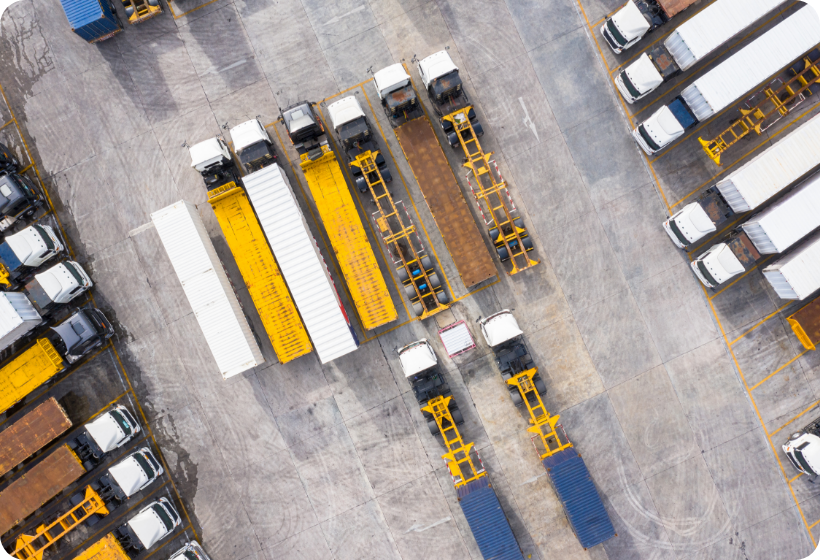
Truck yards create recurring security scenarios shaped by open layouts, dense trailer parking, constant gate activity, and long dwell times. Together, they produce ongoing visibility gaps where risk naturally concentrates.
Open Lot Layout
Yards are typically only bounded by fencing, creating structural visibility gaps that expand as trailer inventory shifts.
High Trailer Density
Tightly packed rows form persistent blind spots that fixed cameras and patrols can’t fully eliminate, and those gaps shift as trailers move.
Constant Gate Activity
Continuous flow of drivers, carriers, and staff makes it difficult to distinguish authorized from unauthorized movement at a glance.
Long Dwell Windows
Loaded trailers sit unattended overnight and on weekends, creating predictable, recurring exposure periods.
WHAT ACTUALLY GOES WRONG
THE SECURITY
INCIDENTS YOU’RE ALREADY
DEALING WITH
Common events at truck yards
OPERATIONAL CONSTRAINTS
WHY TRADITIONAL
TRUCK YARD SECURITY STRUGGLES
Traditional security struggles in truck yards because scale, constant movement, and structural blind spots make consistent, verifiable coverage difficult with human-led systems.
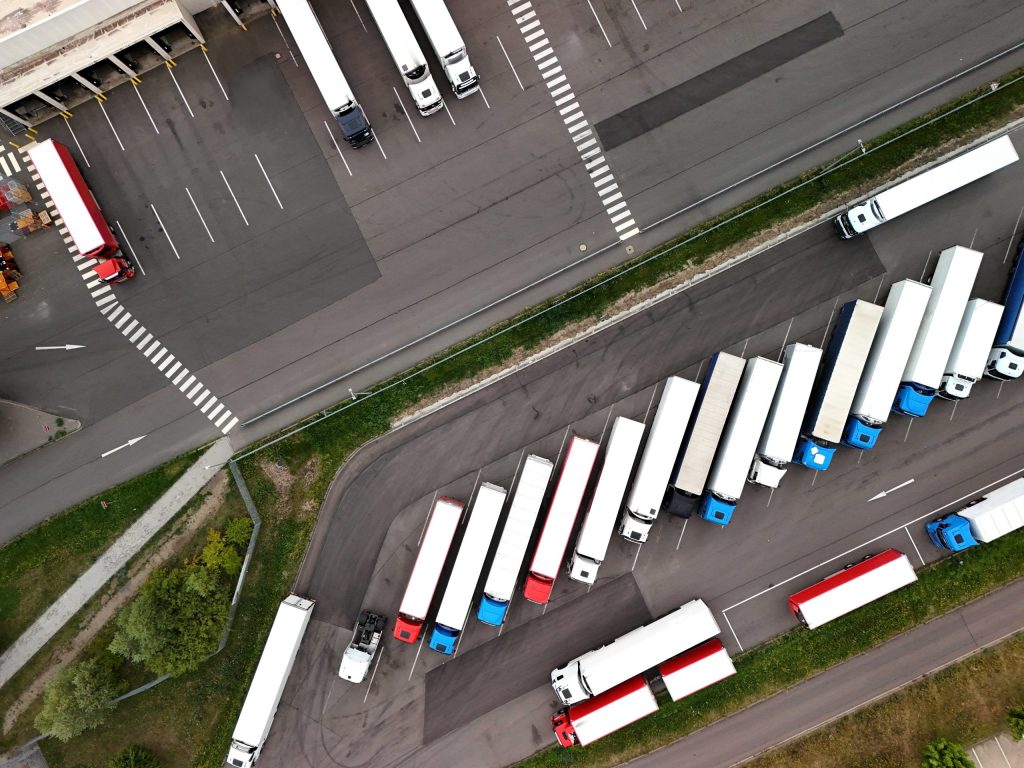
LOT SIZE VS. GUARD COVERAGE
Truck yards are large, open environments where a single guard cannot simultaneously monitor the perimeter, gate activity, and trailer rows, resulting in unavoidable coverage gaps that shift depending on where attention is focused.

NO VERIFICATION WITHOUT DISPATCH
When an alarm is triggered, it requires physical dispatch to validate, but in expansive yards the delay means incidents often conclude before arrival, leaving fragmented evidence and relying heavily on human recollection rather than objective records.

CAMERA BLIND SPOTS ARE STRUCTURAL
Dense trailer placement creates fixed blind spots between rows that fixed camera systems cannot adapt to, and as trailers are moved or repositioned, these visibility gaps continuously change while the cameras remain static.

OVERNIGHT STAFFING DROPS
The hours when trailers are most exposed (overnight and weekends) are also when staffing levels are intentionally reduced or eliminated due to cost, creating predictable periods of minimal on-site oversight.
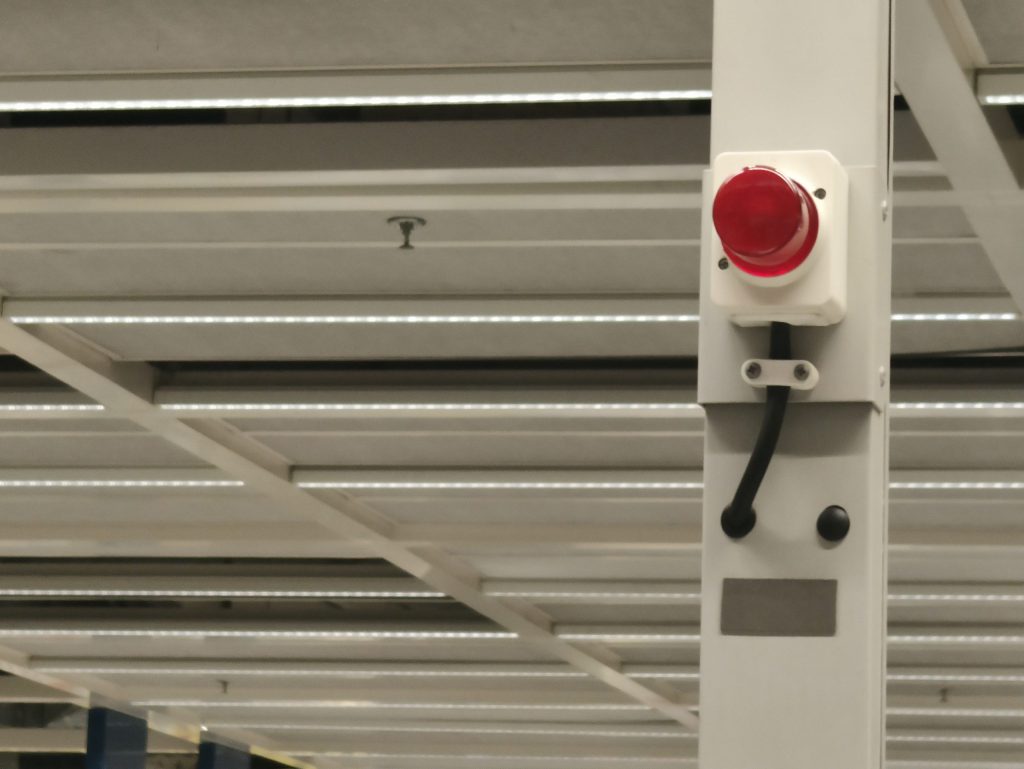
ALARM SYSTEMS CAN'T DISTINGUISH
High volumes of normal yard activity (trucks, drivers, equipment) generate frequent false alarms, leading to alert fatigue where operators begin deprioritizing notifications and real threats can be missed.

MANUAL LOGS DON'T HOLD UP
Patrol activity is typically recorded through handwritten or self-reported logs, which lack independent verification and become unreliable when reconstructing events during carrier or shipper disputes.
YARD SECURITY DOCUMENTATION
ACCOUNTABILITY RUNS IN EVERY DIRECTION
Truck yard security involves multiple stakeholders, each with distinct priorities: operations and yard management focus on uptime, carrier relationships, and dock efficiency; carriers and owner-operators need clear proof of what happened to their trailers or cargo while on-site; shippers and customers require assurance of cargo integrity and an unbroken chain of custody from pickup to delivery; insurance providers depend on verified incident documentation to process claims and assess liability for theft or workers’ compensation; and senior leadership alongside corporate security and logistics teams are responsible for ensuring consistent patrol coverage, incident response, and standardized security performance across all yard locations.
Documentation 1: Verified patrol records
Documentation 2: Chain-of-events logs
Documentation 3: Patrol coverage proof
Documentation 4: Incident response timeline
Documentation 5: Audit-ready records
Documentation 6: Infrastructure documentation
FROM ALARM TO INCIDENT REPORT

ALARM
On-site trigger event (various sensor or system alerts).

VERIFICATION
Confirmation of whether the alarm is real or false, either remotely or by on-site check.

OPERATOR DECISION
Yard manager or security supervisor determines response and dispatches personnel.

RESPONSE
Guard is physically sent to the location to investigate.

INCIDENT REPORT
Documentation of findings and outcome after the event is resolved.
ROBOTIC TRUCK YARD SECURITY SOLUTIONS
BUILT FOR COMPLEX LOGISTICS & TRUCK YARD ENVIRONMENTS
Robotics security solutions align with truck yards by addressing their core challenges through continuous, automated monitoring.
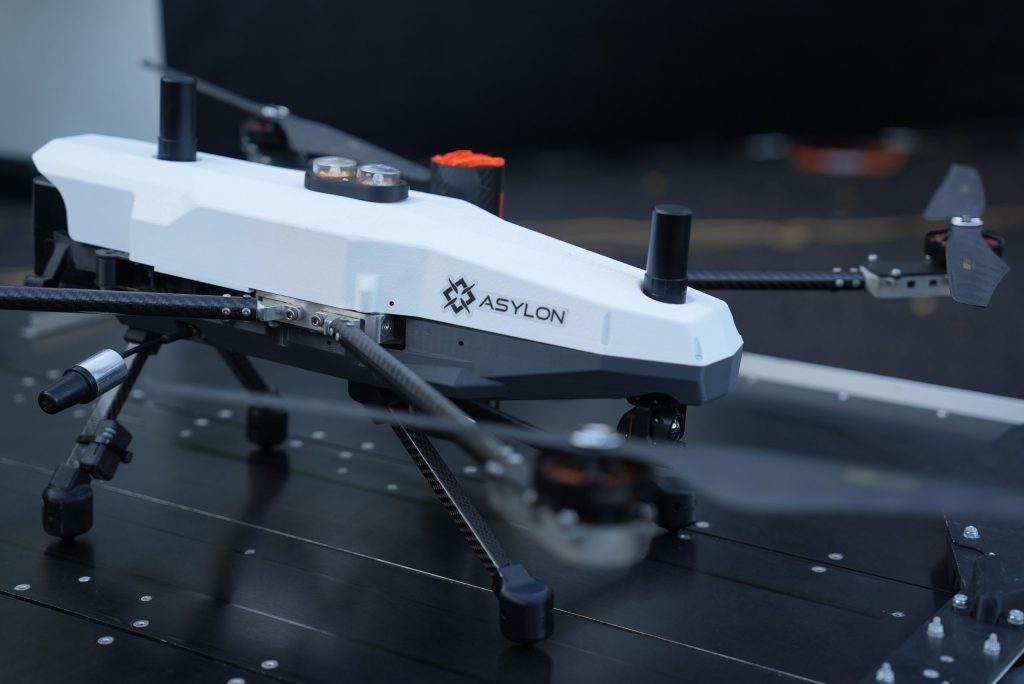
GUARDIAN
Advanced Threat Detection
- Full-yard sweep, captures blind spots
- Real-time RSOC feed, fewer false alarms
- Direct-flight response, faster verification
- Elevated view, better situational awareness
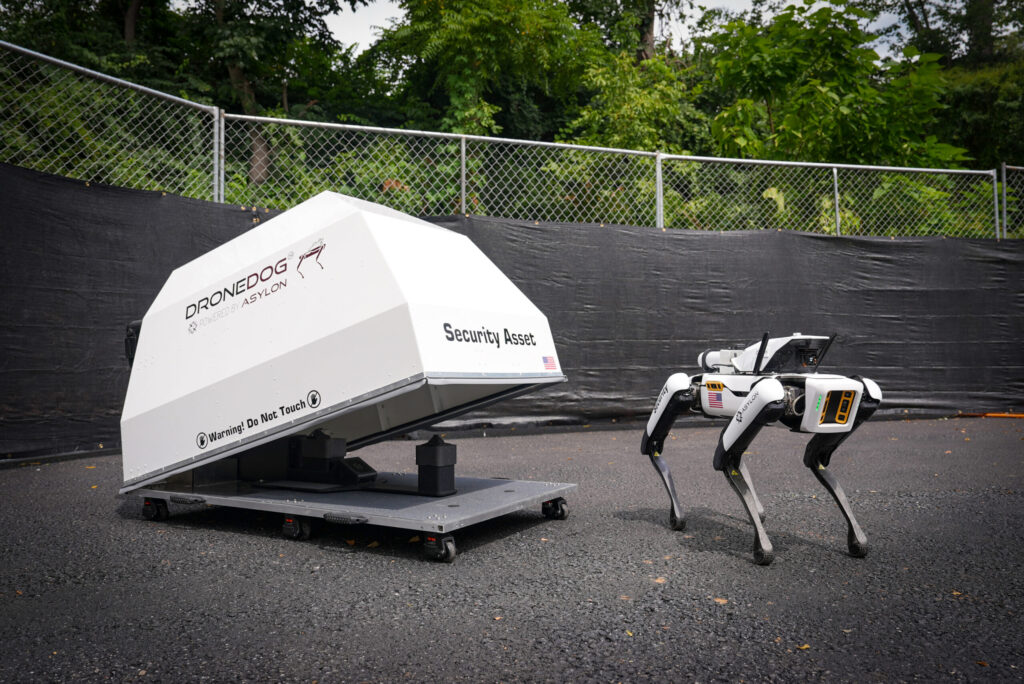
DroneDog™
Autonomous Surveillance Redefined
- Close-range trailer and equipment detail capture
- Ground-level theft deterrence in trailer rows
- Continuous 3PL compliance visibility
- Mobile, adaptive coverage vs fixed CCTV
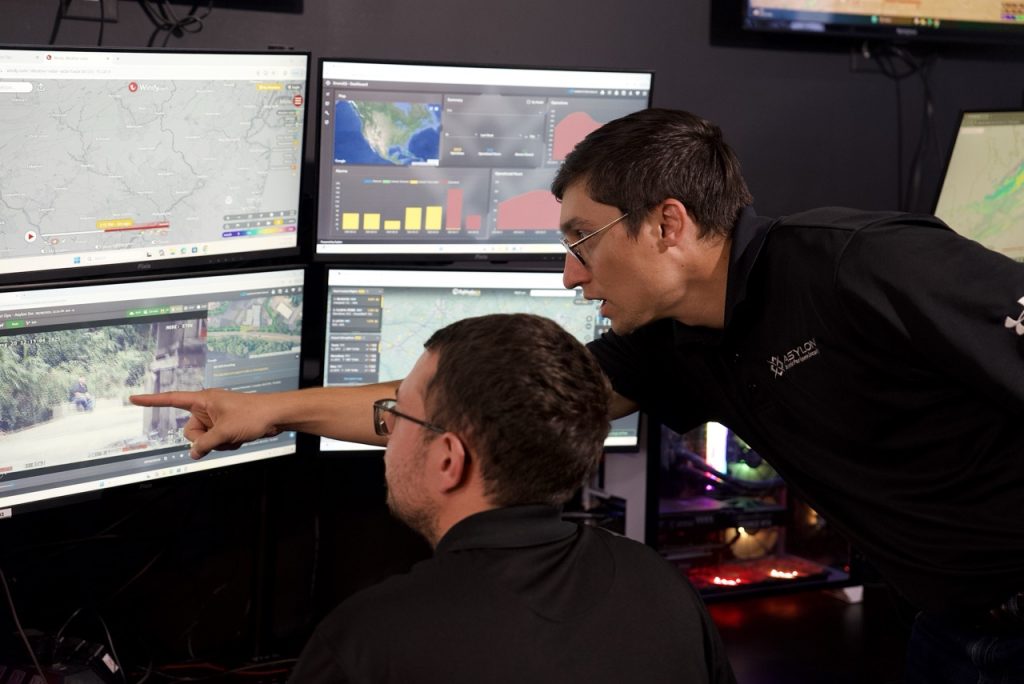
24/7 RSOC
Always-On Security Monitoring
- Exportable audit trail for claims and insurance
- Security augmentation for existing teams
- Reduced false reports via real-time verification
- Live video intelligence for operator decisions
FAQs
Truck yard operators evaluating new security solutions often share the same practical questions around deployment, integration, staffing impact, documentation, and multi-site oversight. Below are some of the most common considerations facilities raise when assessing fit for their yard environment.
What documentation does the system generate automatically?
Timestamped patrol records, alarm-to-outcome event logs, operator decision records, and exportable evidence packages—eliminating the need for manual patrol logs.
Does this integrate with our existing access control and alarm systems?
Yes—via open APIs and integration capabilities, DroneIQ can ingest and forward alarms from existing systems, enabling seamless alarm consolidation and response workflows.
How long does deployment typically take for a truck yard facility?
Full deployment can be completed in as little as 60 days from signed PSA, with physical infrastructure installation often within 24 hours and full operational readiness (including surveying and training) within days of on-site mobilization.
If a theft occurs in our yard, what evidence does the system produce to support a cargo claim?
An automated evidence package including footage, timestamped patrol records, operator decisions, and a complete chain-of-events record—ready before a carrier or insurer even requests it.
Can the system monitor specific trailers or zones during overnight and weekend dwell periods?
Yes—automated scheduling enables targeted patrol routes and continuous after-hours monitoring of defined zones and high-risk dwell areas.
We operate multiple yard locations. Can security be managed across all of them from a single console?
Yes—DroneIQ provides a unified platform with a single audit trail across all locations, enabling centralized visibility, management, and escalation across the entire network.
Connect With the Asylon Team
Truck yards don’t fail on intent—they fail in the gaps created by scale, movement, and blind spots that are hard to staff around consistently. If you’re looking to close those gaps across your facility, reach out to us to help design a more complete layer of coverage tailored to your yard’s specific operating realities.