Fight Security Guard Fatigue and Turnover with Robotics

Dennis Crowley
29 December 2025
When you’re a security director and your phone chirps in the wee hours, you know you’re not getting good news.
Either an urgent threat demands attention and action, or—probably more often, but always distressing—one of your guards is texting to say,“Sorry, but I’m not gonna be in . . . .”
Naturally, everyone needs to take a day sometimes. All the same, you’re left short-staffed. And occasional gaps in coverage due to security guard fatigue or illness only compound the ongoing personnel challenges you face.
Fortunately, exclusive reliance on human guards is no longer your only option.
Read on to find out more about a type of workforce augmentation that brings you staffing relief and closes the critical security coverage gaps your staffing challenges cause.
Security Guards Are Worn Out and Walking Away
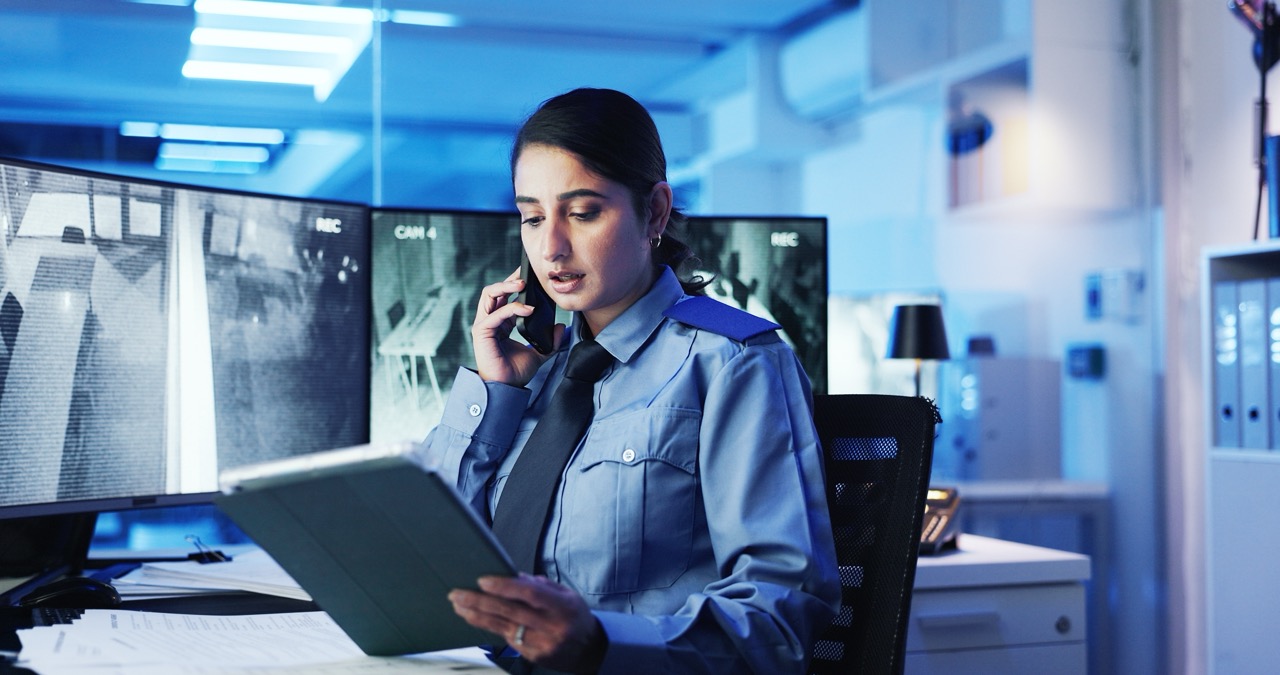 Security guard fatigue is more than just “feeling tired.” It’s a pervasive occupational hazard.
Over 60% of security personnel report feeling fatigued on duty. A combination of job-specific stressors contribute:
- Repetitive, monotonous patrols
Even when patrols aren’t physically demanding, walking long distances or driving for extended periods can lead to physical exhaustion. The need to stay vigilant and attentive can be mentally taxing. At the other extreme, a lack of mentally stimulating work can make guards feel bored and unengaged.
- Scheduling challenges
To ensure continuous coverage, shifts often exceed the typical 8-hour workday. Unpredictable, inconsistent work schedules make it difficult for guards to establish a regular routine. Continuous long hours with insufficient recovery time can accelerate burnout. - Overnight shifts
As necessary as night shifts are, they directly conflict with the human body’s circadian rhythm, the “internal clock” regulating sleep patterns. Over time, this disruption can contribute to physical and mental fatigue.
- Stress of always being understaffed
When guards are constantly expected to “pick up the slack,” they can quickly feel overwhelmed and exhausted. Having little to no control over their schedules can lower morale and increase job dissatisfaction.
Is it any wonder that when CareerExplorer asked security guards to rate career satisfaction, they rated it 2.6 out of 5 stars, landing them in the bottom 7% of careers?
The rate of security guard turnover is high, and has been for some time. In 2004, Security Magazine estimated it at 100% to 400% annually. While more recent, reliable statistics are hard to find, nothing suggests the security workforce has stabilized or grown in the years since.
What’s behind high security guard turnover? The job’s high risk of burnout is a major factor. Again, specific, across-the-board statistics—for example, the burnout rate for overnight security officers—are elusive. But one survey of 900 security professionals across the U.S., the U.K., and Europe found 63% of respondents reported experiencing some level of burnout, and 55% said they were likely to switch jobs in the next year.
The Business Impact of Security Guard Burnout
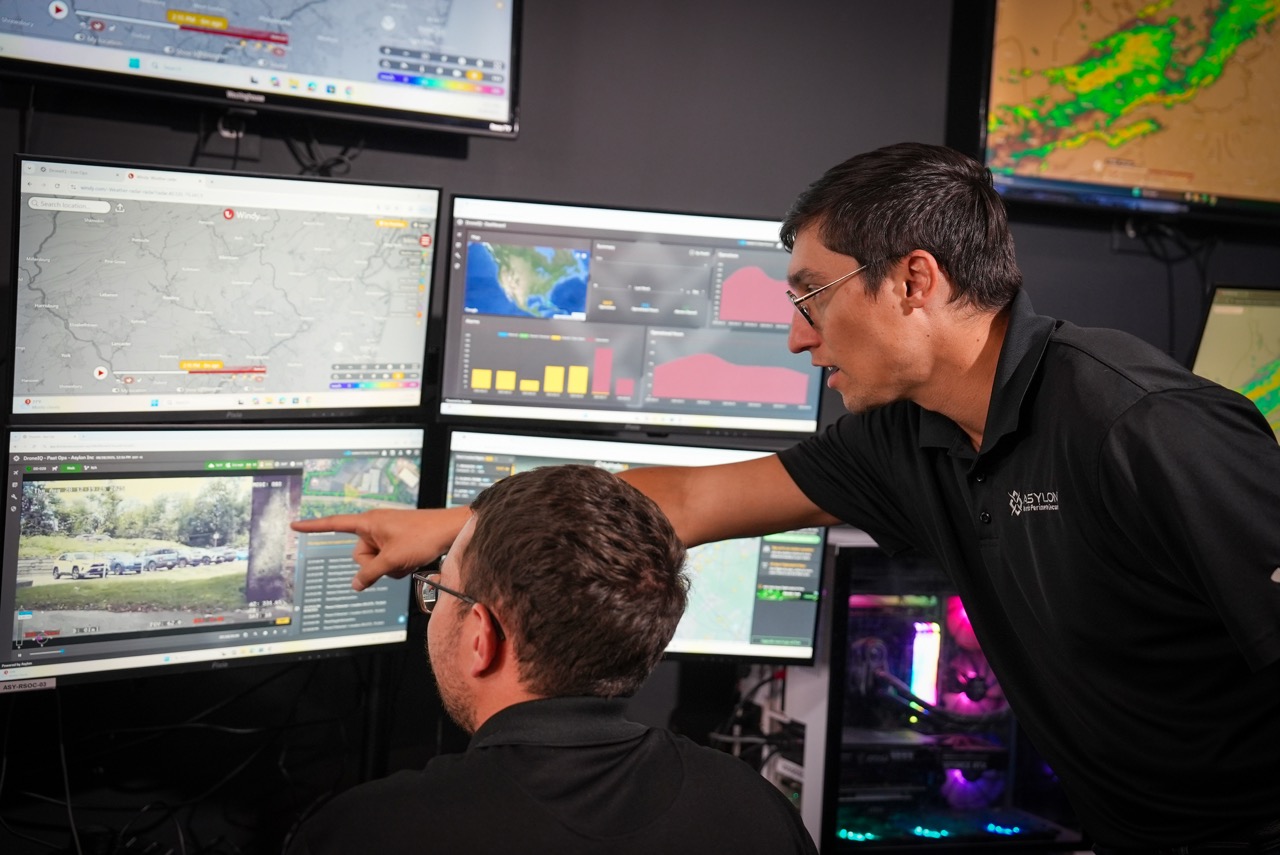 Beyond the human toll security guard fatigue and burnout take, they have significant consequences for your enterprise’s security risk and your security operations budget.
- Elevated Physical Security Risk
Every lapse in a guard’s attention is an invitation for a security breach. An exhausted guard on patrol might overlook a propped-open door. A fatigued officer monitoring surveillance technology may miss a subtle but critical event on screen. And delayed security incident response times can be the difference between preventing an episode and managing its aftermath.
- Greater Legal Liability
Incidents caused by a fatigued employee can expose security firms to immense legal liability. If a breach or accident is traced back to inadequate fatigue management policies, such as improper shift changes or insufficient rest breaks, the company could face lawsuits and regulatory fines, and suffer severe reputational damage.
- Higher Security Expenses
Costs associated with security guard fatigue can add up quickly. They can include increased insurance premiums and overtime pay to cover for absent or burned-out staff. In particular, recruiting and training new guards is a significant recurring expense that eats into a business’s profitability.
Security Workforce Augmentation Through Robotics
Ignoring fatigue is more expensive than proactively managing it. Making the shift changes you can and implementing fatigue management policies are crucial.
But forward-thinking organizations are also turning to technology—not to replace their valuable human personnel, but to empower them.
Advanced robotic security systems can be a crucial support layer. They can augment a guard’s capabilities and mitigate the risks associated with fatigue. They reduce the burden on officers, improve their job satisfaction, and create a more resilient security posture.
Case in point: The Guardian aerial security drone system from Asylon Robotics automates routine patrols and perimeter sweeps. It uses AI to detect anomalies like unusual movement patterns or unauthorized presence in restricted areas, and alerts the human guard on duty.
The drone’s sophisticated monitoring capability frees officers from the mentally draining task of staring at screens for hours. By taking human guards out of the “3Ds” of physical security—that is, the dull, dirty, and dangerous tasks—Asylon’s Guardian drones can help you create a more effective, more sustainable security team.
Transform Your Security Team with Asylon Robotics
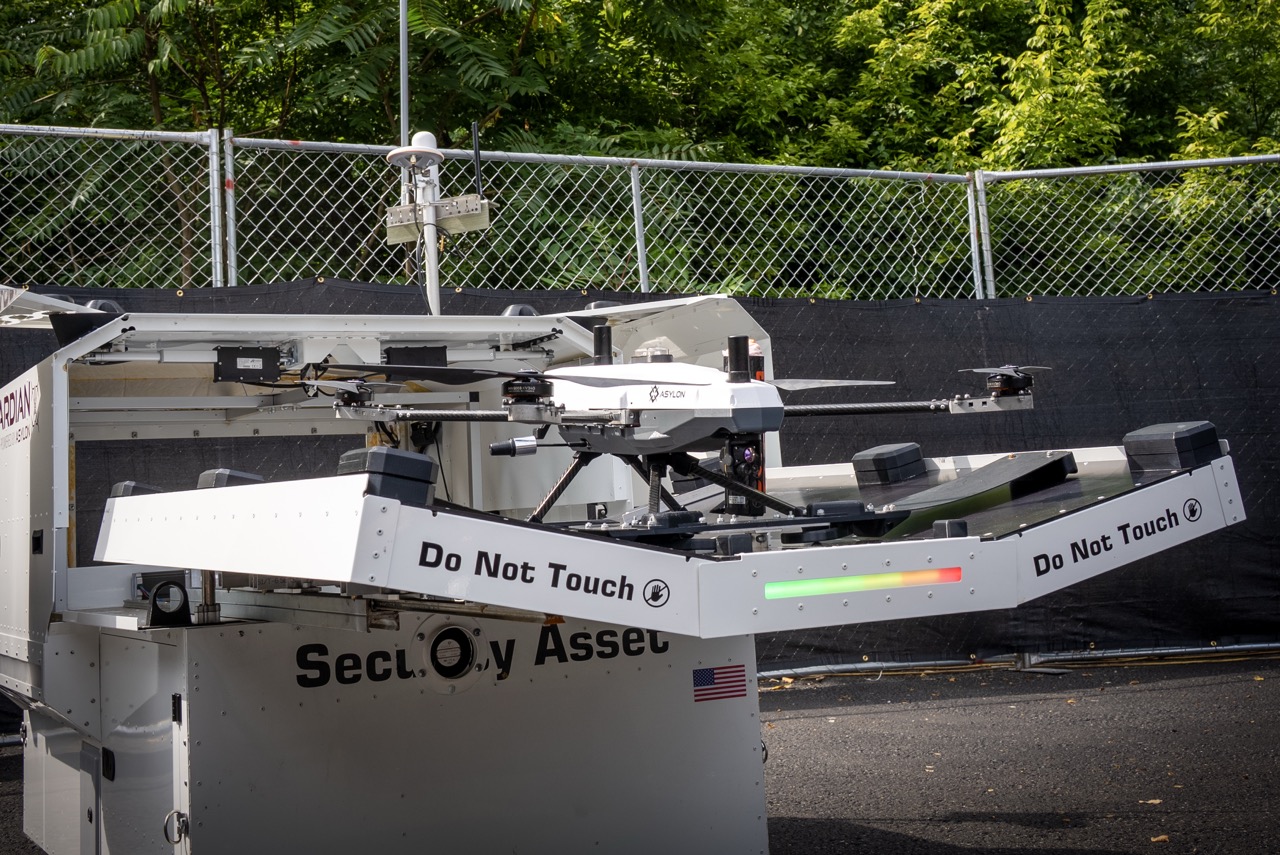 Advanced security robotics are a strategic investment in efficiency, safety, and employee retention.
The AI-powered surveillance they provide eases the burden on your personnel and provides a much-needed safety net. It also frees your guards to focus on higher-value responsibilities requiring critical thought and human interaction. As a result, they can re-engage with and find more satisfaction from their work than before.
Don’t wait until you get that next dead-of-night text message.
To discover how Guardian aerial drones or other robotic security solutions from Asylon can help you fight security guard fatigue and transform your team, schedule a demonstration and consultation with one of our robotics security specialists today.
Connect With the Asylon Team
Want to schedule a demo, explore a partnership, or connect with our team? Use this form to reach out about media inquiries, career opportunities, or general questions about Asylon’s robotic security solutions. Our team will respond as soon as possible.