Robots verify activity in remote or restricted areas. Security personnel handle responses once conditions are known.
CHEMICAL PLANT SECURITY REALITY
WE UNDERSTAND
YOUR ENVIRONMENT
Few facilities have higher security stakes or smaller margins for error than chemical plants. Any unauthorized access can have far-reaching consequences.
Common Security Challenges
- Trespassing or tampering in areas with storage tanks and process units creates serious safety risks.
- Rail and truck loading operations pose recurring perimeter access control concerns.
- Hazardous material storage zones need strict authorization, entry documentation, and escorts.
- Control rooms and critical infrastructure require verified access and activity records.
- Expansive outdoor yards, scrap areas, and loading docks often exceed most camera coverage.
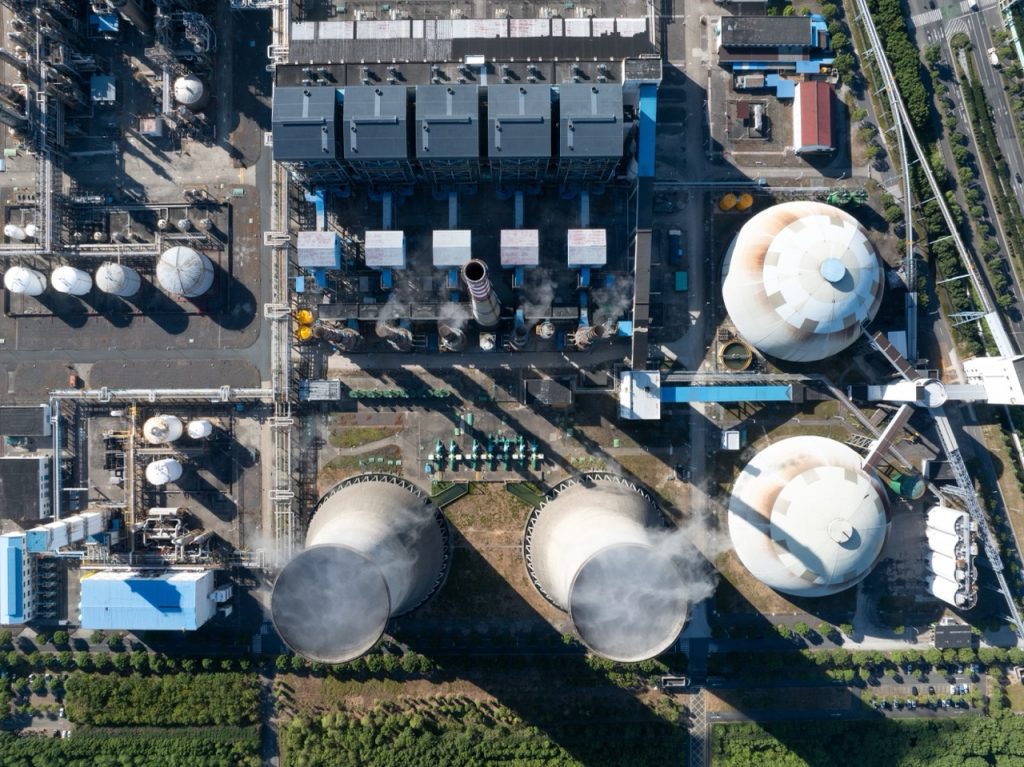
WHAT MAKES CHEMICAL PLANT PERIMETER SECURITY DIFFERENT
Chemical plants have multiple layers of controlled access. The perimeter is only the first boundary protecting critical operations and infrastructure.
Layered Access and Restricted Zones
Chemical facilities often span hundreds of acres with multiple operational zones. Some areas require authorization, documentation, or escort protocols before entry.
Continuous Operations, Uneven Coverage
Chemical plants operate around the clock, but security staffing often decreases overnight. Remote tank farms, storage yards, and perimeter zones may see less routine coverage.
Low-Traffic Perimeter Areas
Large chemical campuses include tank farms, raw material yards, and other low-traffic areas beyond the main production footprint. These locations can be difficult to monitor consistently.
High-Consequence Assets
Storage tanks, process units, and hazardous material areas create risks beyond the security event itself. Intrusion consequences differ from those at typical industrial sites.
WHAT ACTUALLY GOES WRONG
THE SECURITY INCIDENTS YOU ARE ALREADY DEALING WITH
Some common events:
OPERATIONAL CONSTRAINTS
WHY TRADITIONAL SECURITY STRUGGLES HERE
While traditional security methods remain important, chemical plant security involves conditions that complicate detection, verification, and response.
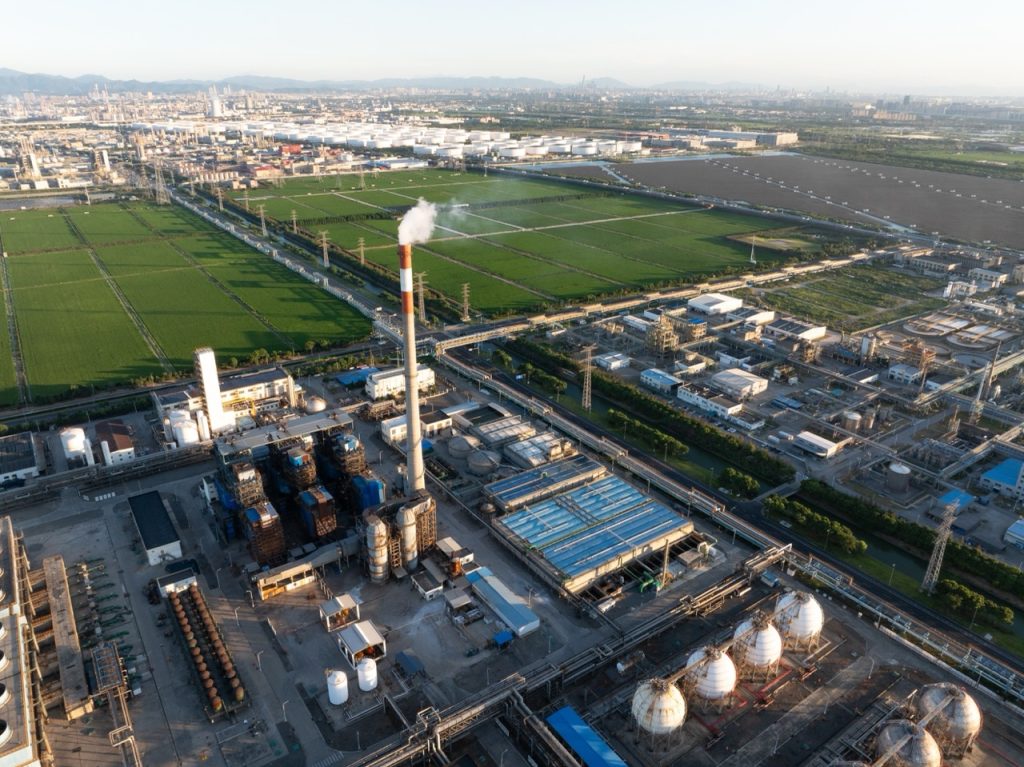
LARGE CAMPUSES EXCEED COVERAGE CAPACITY
Chemical facilities can span hundreds of acres with miles of fence line, multiple gates, and many restricted zones. No guard force can be everywhere at once.
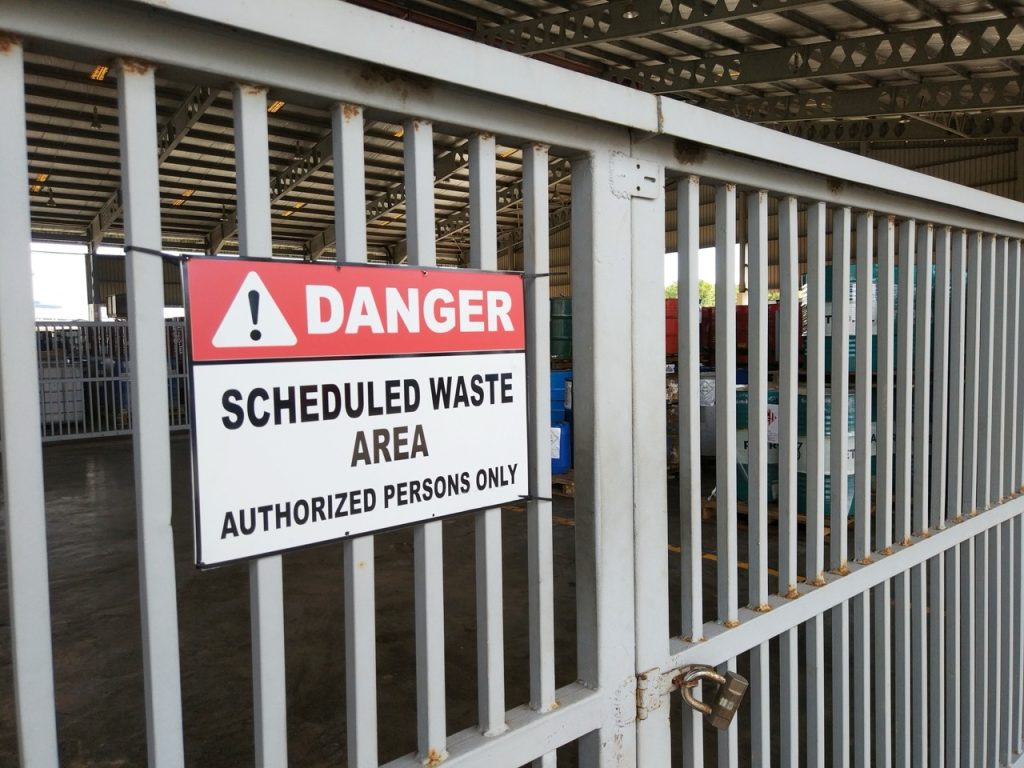
SOME AREAS REQUIRE CAUTIOUS ACCESS
Tank farms, process units, and hazardous storage areas often have additional access requirements. Investigating activity in these locations may involve more than sending the nearest guard.
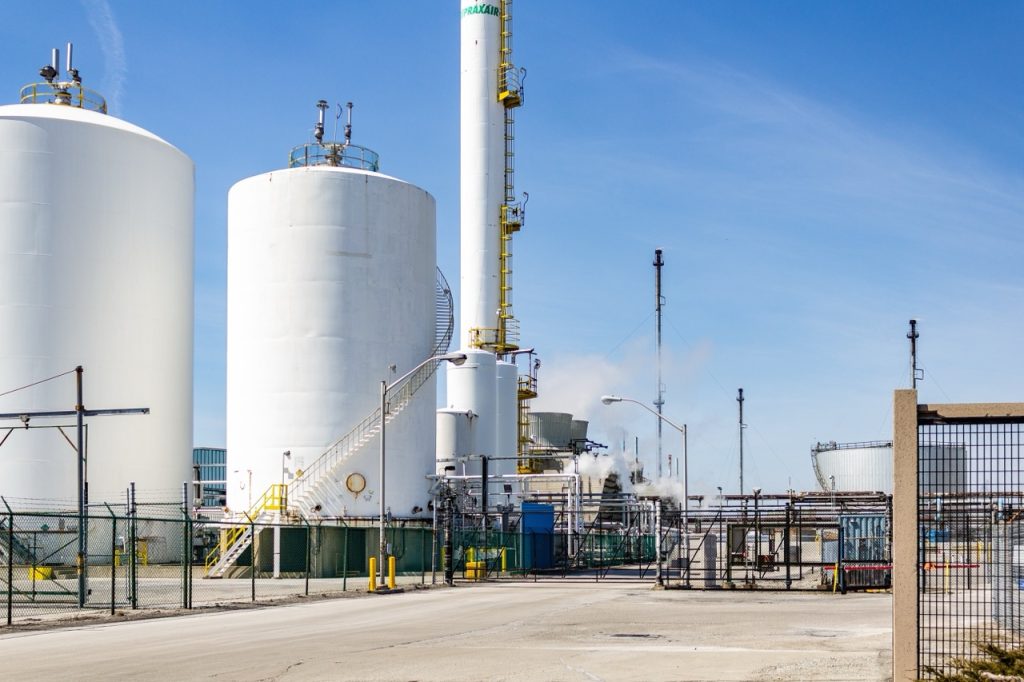
FACILITY LAYOUT CREATES BLIND SPOTS
Tanks, buildings, and process infrastructure obstruct camera sight lines. Remote fence lines and low-traffic areas often remain difficult to see clearly.

CONSTANT ACTIVITY CREATES ALARM FATIGUE
Chemical facilities are full of round-the-clock movement by contractors, loading operations, maintenance work, vehicles, even wildlife. Not every alarm signals a security event.

SAFE RESPONSES CAN DELAY VERIFICATION
Activity near valve areas or tank farms can’t always be investigated immediately, but time spent determining a safe response is time the event remains unresolved.

INCIDENT REVIEWS REQUIRE MORE THAN LOGS
Chemical security incidents often trigger EHS reviews, insurance inquiries, or internal investigations. Handwritten patrol logs provide limited evidence of what actually happened.
WHAT SECURITY LEADERS NEED TO PROVE
ACCOUNTABILITY RUNS IN EVERY DIRECTION
Chemical plant security leaders answer to many stakeholders. Plant managers focus on operational continuity and safety. EHS teams need documentation supporting investigations and environmental risk management. Corporate security, compliance, insurance, and risk leaders expect verified records of incidents and responses. Security contractors must demonstrate assigned coverage. Facilities operating to chemical security program standards must maintain documentation for future DHS or CISA reviews and inspections.
Verified Patrol Records
Restricted Zone Access Logs
Alarm Response Documentation
Incident Timeline Records
Contractor Entry Documentation
DHS/CISA Audit-Ready Records
FROM ALARM TO INCIDENT REPORT

ALARM IN A CONTROLLED AREA
An alarm originates from a perimeter fence, tank farm, process unit, valve area, or hazardous material storage zone.

VERIFY EVENT CONDITIONS
Security determines whether the alarm trigger reflects routine operations, contractor activity, equipment movement, or a security event.

DETERMINE SAFE RESPONSE
Before dispatching personnel, security supervisors evaluate the location, access requirements, and any safety considerations associated with the area.

DISPATCH THE RIGHT RESOURCES
Guards, plant personnel, fire brigade, or hazmat teams respond based on the nature of the event and the area involved.

DOCUMENT THE INCIDENT
Records capture alarm details, response actions, timelines, and outcomes for EHS reviews, insurance requirements, and security program documentation.
ROBOTICS FIT FOR THE ENVIRONMENT
BUILT FOR SECURITY IN HIGHLY RESTRICTED ZONES
Asylon’s robotic solutions give you more visibility and faster verification.
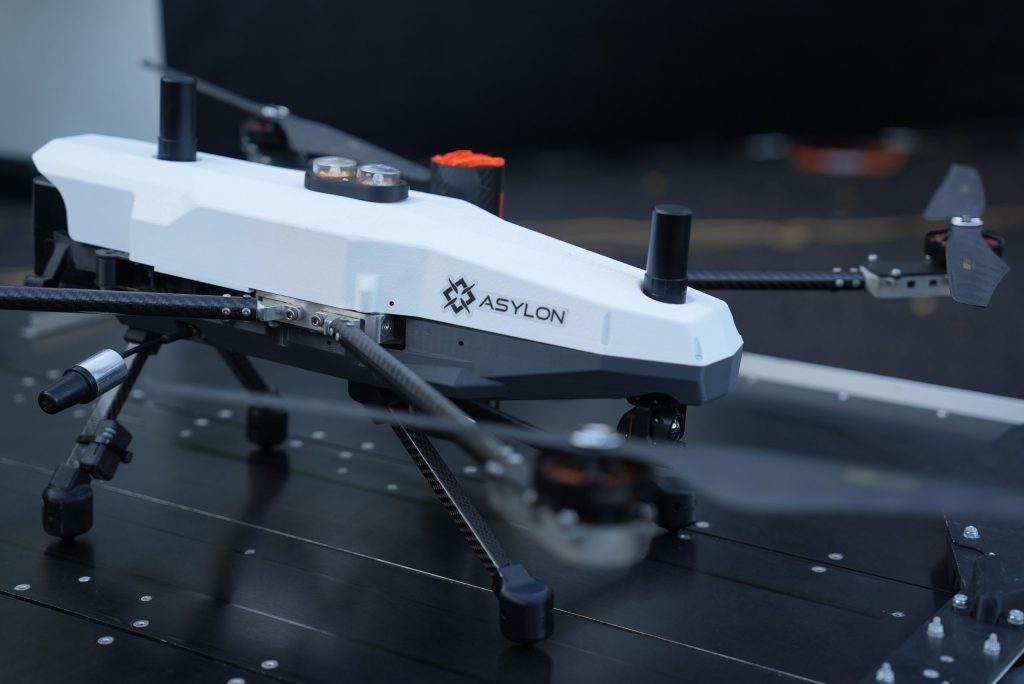
GUARDIAN
Advanced Threat Detection
- Multi-zone campus verification.
- Airborne for assessment in seconds.
- Tank farm & process area visibility.
- Real-time feed informs response.
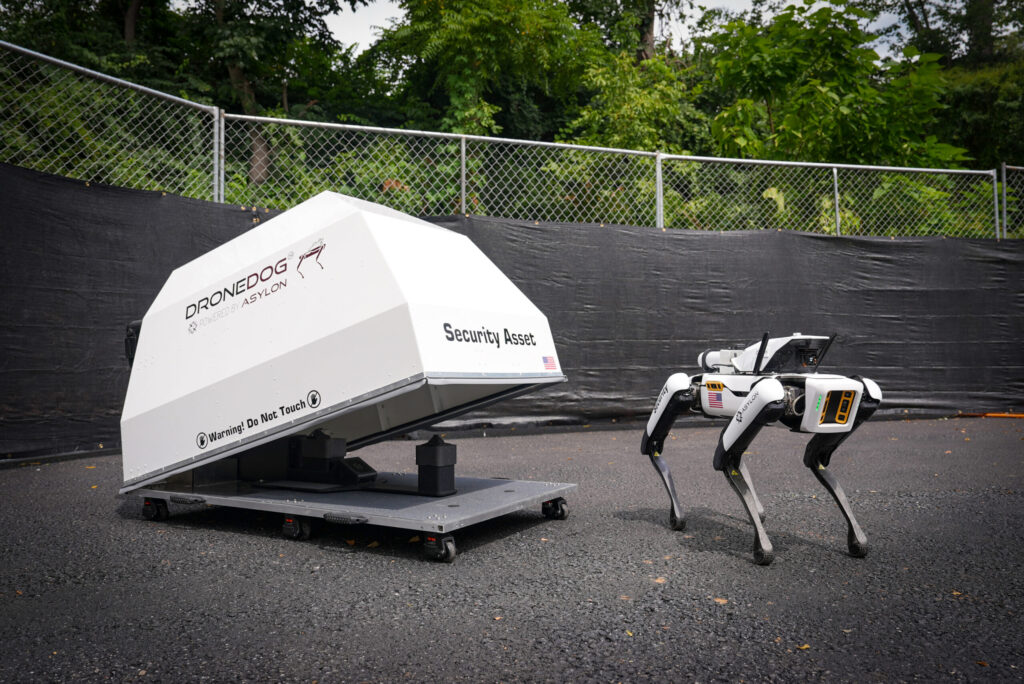
DroneDog™
Automated Surveillance Redefined
- Inspects critical access points.
- Remote visibility in restricted zones.
- Documented patrols around assets.
- Coverage during low-staffing hours.
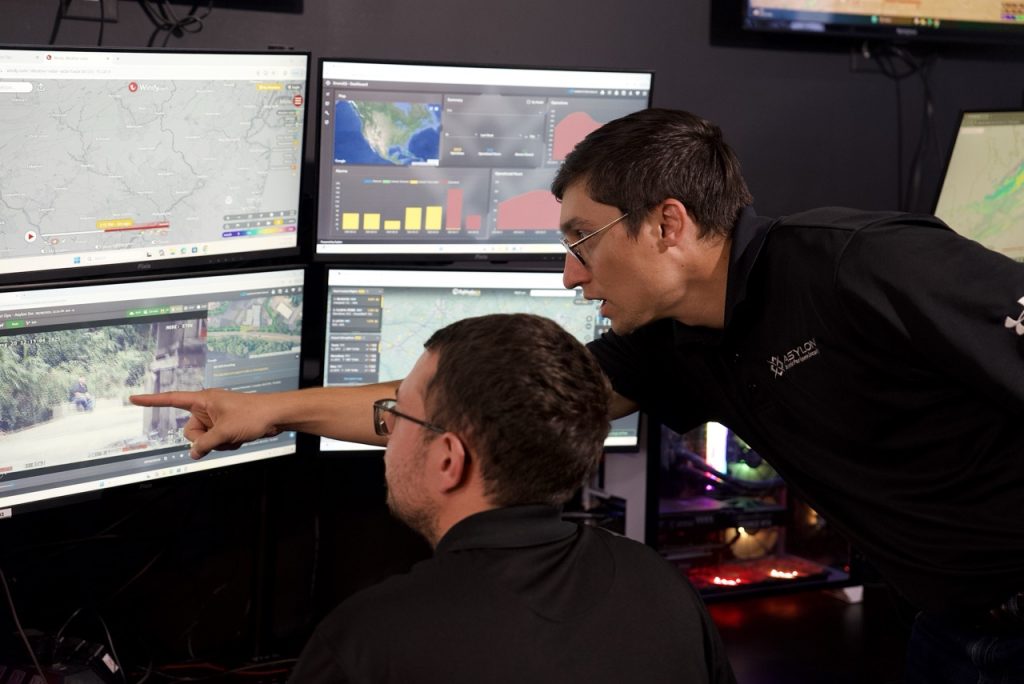
24/7 RSOC
Always On Security Monitoring
- Reduced security staffing burden.
- Fast deployment guided by experts.
- Plant security expertise on demand.
- Centralized, audit-ready documentation.
FAQs
Chemical plant security managers need answers about safety, compliance, deployment, and documentation. We hear these questions most often:
Can Guardian or DroneDog operate safely near hazardous materials and process equipment?
Yes. Operations are tailored to site-specific restrictions, access rules, and safety requirements.
Can DroneDog integrate with our existing sensors?
Yes. DroneDog can integrate with gas detection, life-safety, and other sensors to provide additional context.
Does the system integrate with existing access control and alarm systems?
Yes. Open integrations support data exchange with existing security, access control, and alarm platforms.
What documentation does the system automatically generate?
Restricted-zone access, alarm responses, and incident records are automatically timestamped and stored.
How does the system support chemical security program documentation?
Every patrol, alarm, decision, and response is recorded. Documentation is readily available for review.
Can the system verify alarms before personnel are sent into a restricted area?
Yes. Activity can be assessed before personnel are dispatched toward tank farms, process units, or hazardous areas.
How long does deployment take at a chemical plant facility?
Most deployments are operational within 60 days, with timelines tailored to each plant’s requirements.
Connect With the Asylon Team
From remote perimeter monitoring to restricted-zone verification, chemical plants face distinct security challenges. Speak with us about building a security program tailored to your facility.