Asylon directly addresses the perimeter security for water treatment plants and off-hours patrol gaps typically identified in AWIA Risk and Resilience Assessments. The DroneIQ platform automatically logs every single patrol pass, creating an audit-ready, time-stamped record to support your next EPA certification cycle.
WATER TREATMENT SECURITY REALITY
WE UNDERSTAND
YOUR ENVIRONMENT
A water system is a sprawling network of plants, remote pump stations, and storage assets with distinct perimeters that are mostly unmanned and inconsistently patrolled.
Common Security Challenges
- Difficult to Monitor Remote Sites: Vast, isolated perimeters make traditional, continuous human surveillance nearly impossible.
- Copper Theft & Vandalism: Unmanned assets are prime targets for costly property damage, equipment theft, and malicious sabotage.
- Trespassing: Unauthorized entry poses a constant risk to facility safety and the integrity of the water supply.
- Alarm Verification & Response: Delayed reaction times to remote alerts make it difficult to quickly confirm and address real threats.
WHAT MAKES WATER TREATMENT
PERIMETER SECURITY DIFFERENT
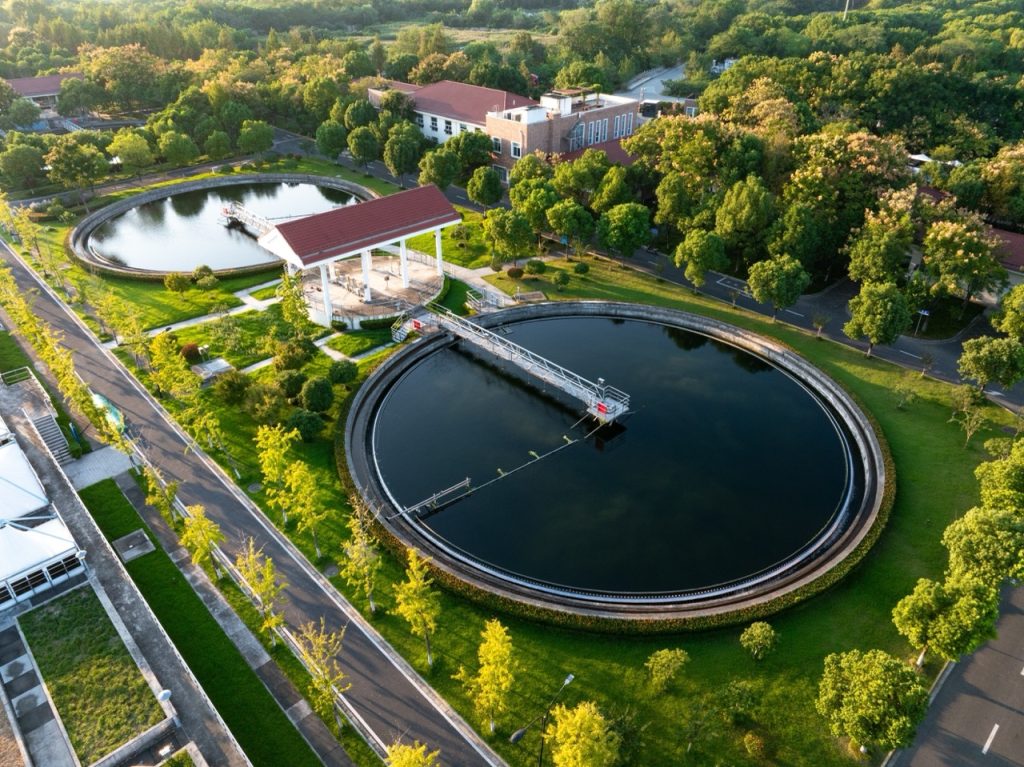
From massive acreage and isolated, unmanned sites to dark-hour vulnerabilities and high security-staff turnover, these four key challenges highlight the need for water treatment facilities to be protected.
Acreage Without Staffing
Water and wastewater treatment plant campuses routinely span 20-100+ acres with fence lines that no guard rotation can consistently cover at the density compliance frameworks now require. Desalination plants and reclamation facilities add to that footprint.
Remote and Unmanned Sites
Pump stations, lift stations, and intake facilities operate continuously with no on-site personnel. A perimeter event at a remote site may go undetected until a process alarm triggers – if it triggers at all.
Dark Hours Exposure
The highest intrusion risk window aligns with the lowest staffing window – overnight and early morning, when process monitoring is centralized and physical patrol is minimal or absent.
Security Staffing
Accountability difficulty, typically one security officer there, problem with industry as a whole––frequent turnover, lack of supervision, cost of labor.
WHAT ACTUALLY GOES WRONG
COMMON INCIDENTS AT WATER TREATMENT FACILITIES
Here are some common incidents:
OPERATIONAL CONSTRAINTS
WHY TRADITIONAL WATER TREATMENT SECURITY FALLS SHORT
Traditional security measures simply weren't built to handle the sprawling, remote, and highly sensitive nature of modern water infrastructure, leaving critical vulnerabilities wide open to exploitation.
FIXED CAMERA NETWORKS
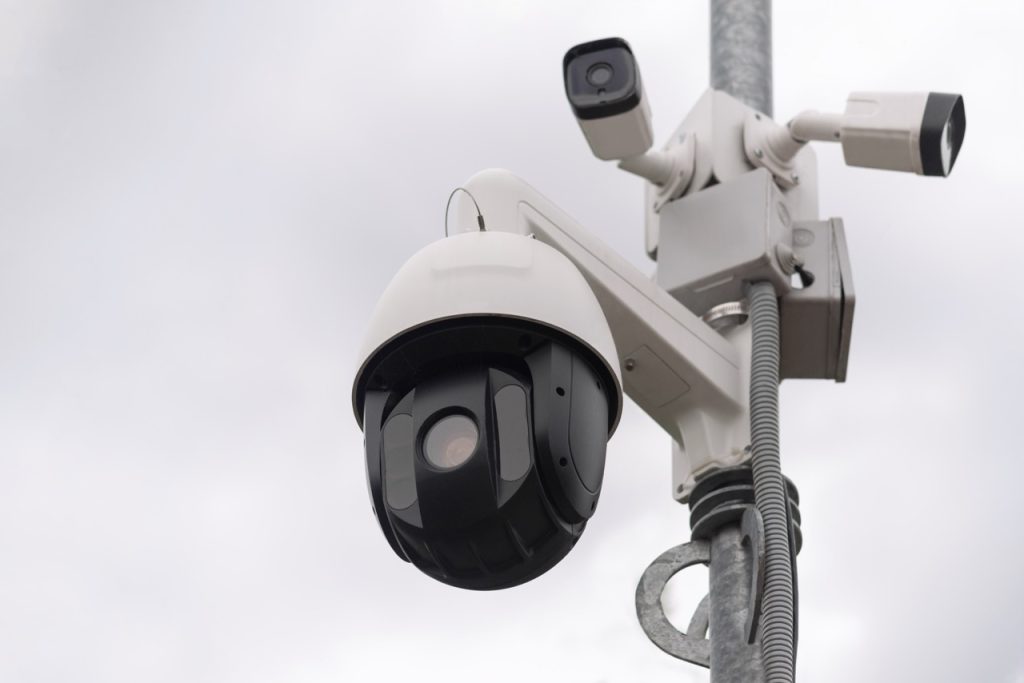
Cameras cover what they can see from where they’re mounted. At a multi-acre treatment facility with irregular terrain and multiple process areas, a fixed network has structural blind spots that don’t shrink even when more cameras go up.
GUARD PATROL AT PRIMARY SITES
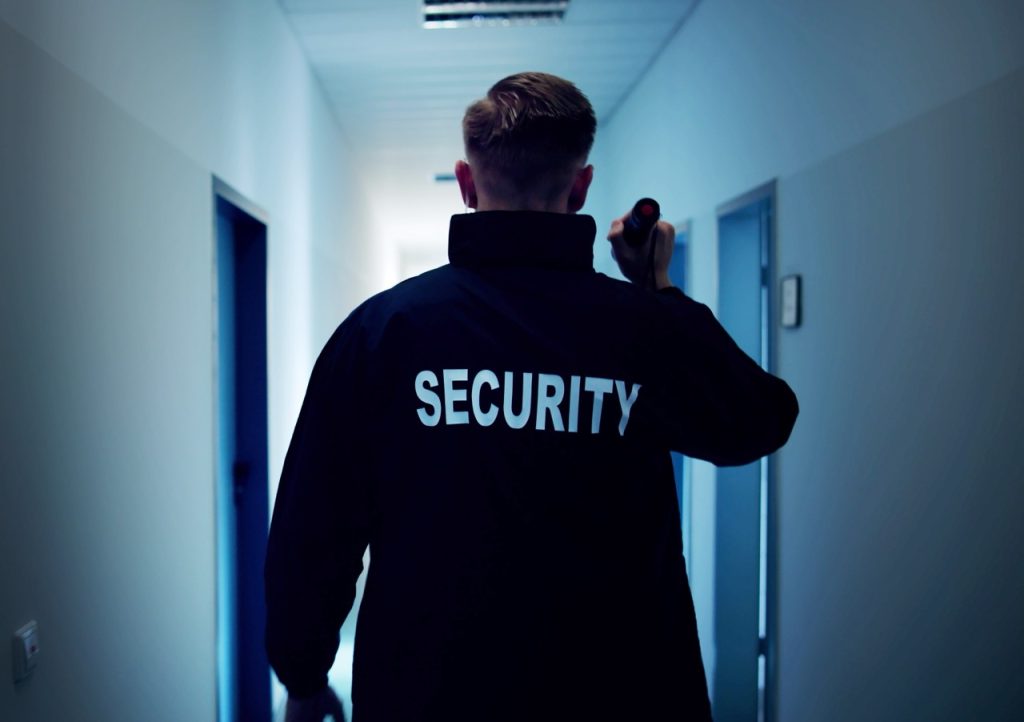
Guard coverage at the main water treatment facility is manageable. Guard coverage at 15 remote pump stations, a desalination intake, two reservoir sites, and a biosolids field on a consistent overnight schedule is a different calculation––in labor cost, availability, and in verifiable patrol density.
PERIMETER FENCING
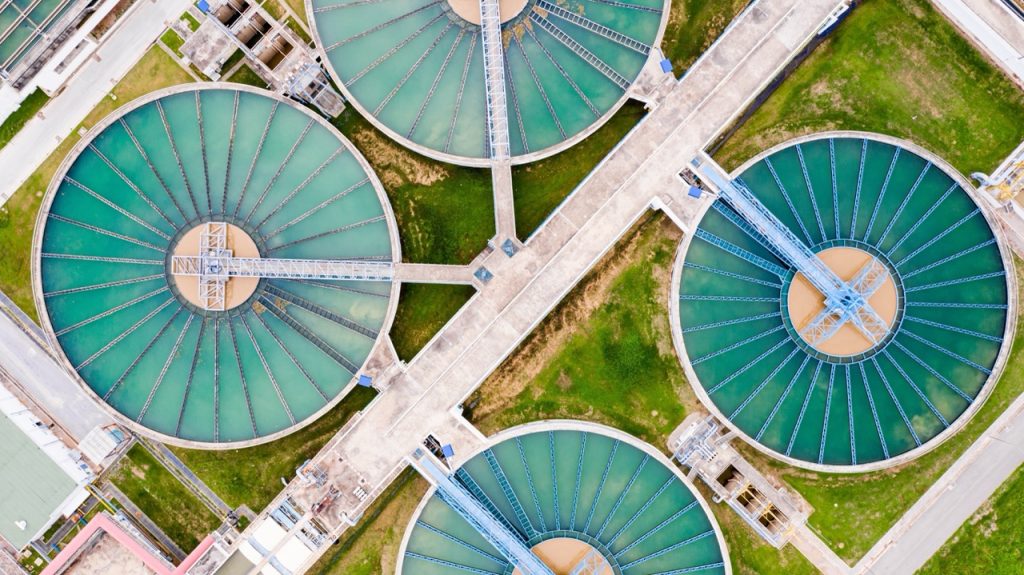
As water treatment facilities get larger and the fence line is longer, it makes less operational and financial sense to install many cameras, not to mention the challenge for human guards to patrol long fence lines.
ALARM SYSTEMS WITHOUT VERIFICATION
A fence intrusion alarm generates a notification. If no patrol asset verifies within seconds, the response is a call to a guard who may be 20 minutes away or a camera that doesn’t cover the zone.
WHAT SECURITY LEADERS NEED TO PROVE
ACCOUNTABILITY FOR CRITICAL INFRASTRUCTURE PERIMETER SECURITY
During a breach or audit, a utility must immediately satisfy multiple stakeholders with varying demands. Plant managers and security guards need instant situational awareness and accurate logs to handle the operational crisis. Externally, AWIA/EPA regulators demand time-stamped proof of perimeter compliance, while law enforcement requires precise telemetry to respond. Ultimately, the utility board needs a full public-safety debrief, and insurers demand verifiable evidence of proactive security to process claims.
AWIA Compliance Evidence
Board & Commissioner-Level Reporting
Regulatory and Law Enforcement Coordination
Incident Chain of Events
FROM ALARM TO INCIDENT REPORT

ALARM TRIGGERED
A perimeter breach is detected through fence-line sensors or camera analytics, signaling an intrusion at a remote pump station, chemical area, or restricted process zone.

EVENT VERIFICATION
An on-site guard, remote monitoring operator, or plant staff member reviews live video feeds to immediately confirm the threat and rule out a false alarm.

OPERATOR DECISION
Following standard operating procedures, the operator quickly assesses the verified threat to dispatch either on-site security guards or local law enforcement.
RESPONSE EXECUTION
Responding security personnel or police officers deploy to the exact breach coordinates to intercept the intruder and secure the compromised asset.

EVIDENCE COMPILATION
Staff manually compile video footage, event timelines, and operator actions into a comprehensive incident package for law enforcement, insurers, and regulatory auditors.
ROBOTICS FIT FOR CRITICAL INFRASTRUCTURE
PERIMETER SECURITY FOR WATER TREATMENT PLANTS
Drones and robots deliver automated critical infrastructure perimeter security, providing a water treatment facility security system that ensures unmatched water treatment plant security and compliance.
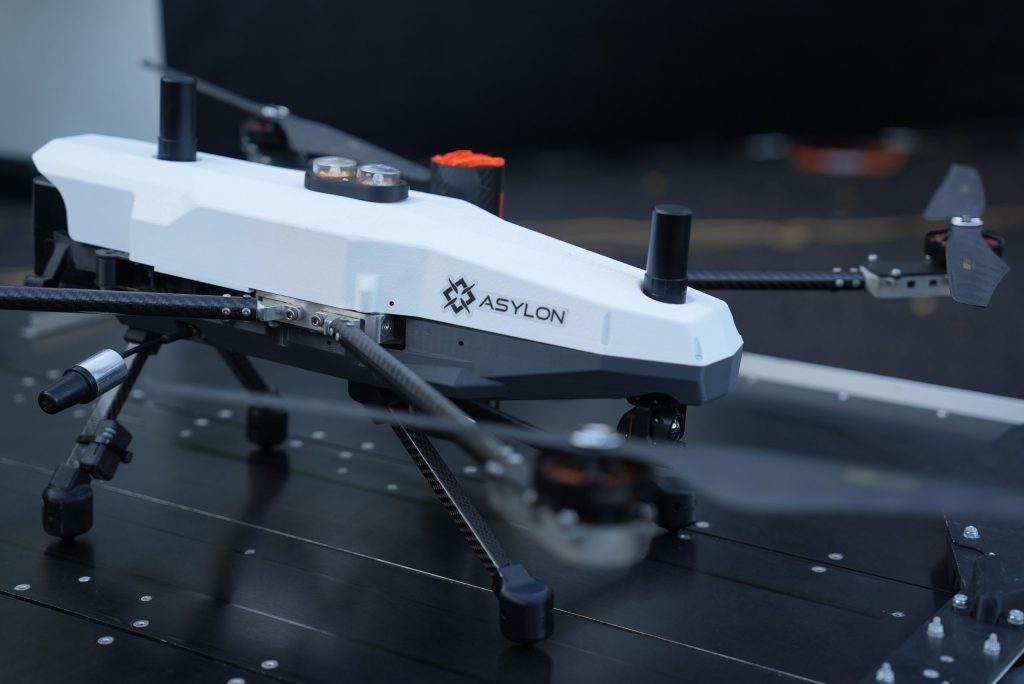
GUARDIAN
Advanced Threat Detection
- Sweeps 100-acre plants and remote assets fast.
- Flies straight to breaches, bypassing ground obstacles.
- Elevated POV covers blind spots behind tanks.
- Streams live video to quickly rule out false alarms.
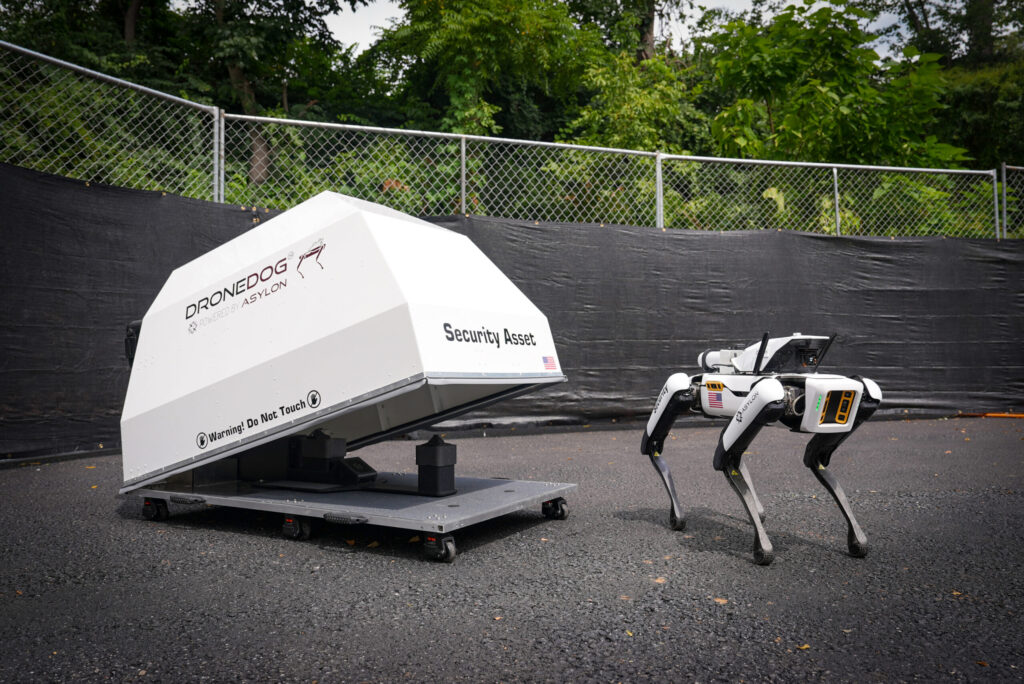
DroneDog™
Automated Surveillance Redefined
- Checks chemical doors, valve locks, and gates.
- Active ground presence stops copper theft and vandalism.
- Moves easily over rough terrain and tight basins.
- Verifies gates are latched at unstaffed sites.
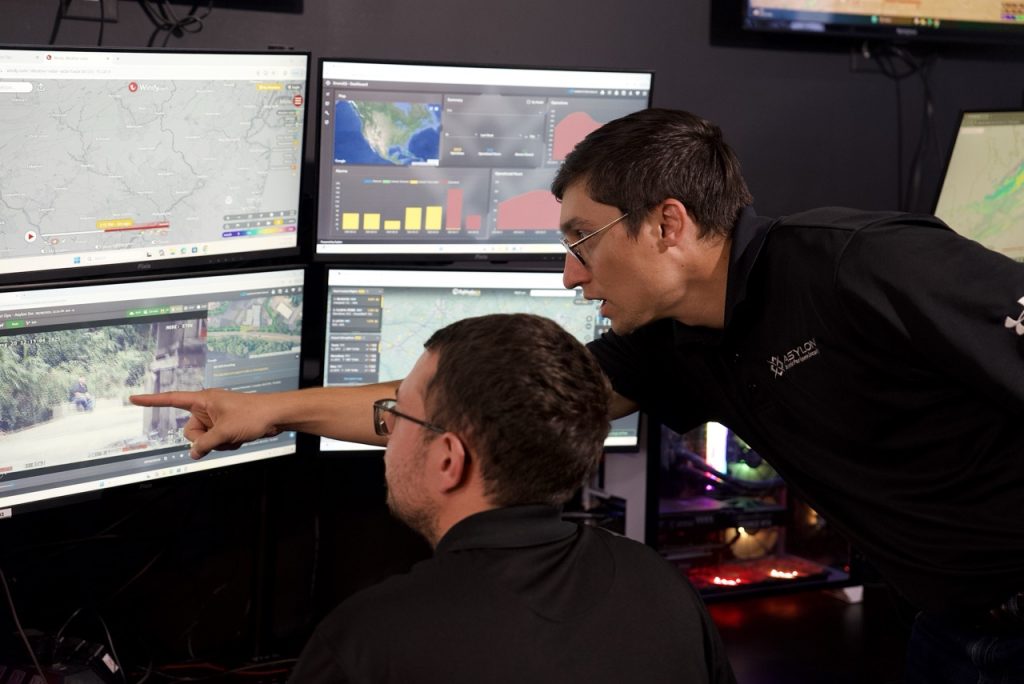
24/7 RSOC
Always-On Security Monitoring
- Manages air and ground robots from one console.
- Links sky and ground to eliminate all blind spots.
- Merges air and ground data for AWIA compliance audits.
- Monitors vast utility portfolios 24/7.
FAQs
Find quick, clear answers below on how Asylon’s automated robotic security platforms close critical perimeter gaps, protect remote infrastructure, and streamline AWIA regulatory compliance for your water utility.
What types of water utility assets can these robotic platforms protect?
Our platforms secure your entire water treatment plant, including sprawling treatment plants, chemical storage zones, remote pump stations, reservoirs, and intake structures. We provide consistent, automated perimeter coverage across both large, 100-acre campuses and isolated, unstaffed infrastructure sites.
Will these robots replace our existing security guard contracts?
No, our robots augment your current staff by taking over the dull, dangerous, and dirty exterior posts that cause the highest turnover, like overnight fence walks. This allows your security guards to remain focused on access control and emergency response, making the entire team more effective.
What kind of evidence does the system generate if a perimeter breach occurs?
Instead of a subjective written report, you receive a tamper-proof, automatically generated digital package containing video footage, precise GPS data, and exact timelines. This objective record combines aerial and ground-level details to easily satisfy plant managers, utility boards, law enforcement, and insurers.
Can the robots patrol continuously, and how do they respond to active alarms?
The robots follow consistent, programmed patrol-and-recharge schedules, much like a human guard takes structured breaks but with total predictability. Our 24/7 Remote Security Operations Center also maintains a strict battery reserve, allowing them to instantly dispatch a robot to the exact coordinates of any alarm.
How do these robots perform better than standard CCTV motion-detection cameras?
While standard cameras only flag motion, our NVIDIA-powered OverwatchAI uses visual and thermal feeds to identify the actual context of a threat. It filters out false alarms while detecting critical facility anomalies like fence damage, water leaks, or an open door on a remote pump station.
Will connecting these automated platforms expose our critical SCADA networks?
Not at all, as the DroneIQ platform operates on a completely dedicated, encrypted data channel stored entirely on Asylon-managed infrastructure. We never integrate with your operational technology networks, maintaining an airtight cybersecurity barrier around your water processing systems.
How do public water utilities budget for this tech within strict procurement cycles?
Asylon operates as a fully managed service subscription with zero capital expenditure, allowing it to fit cleanly into your annual operating budget alongside existing guard contracts. Our enterprise readiness is proven by major public entities, including the Metropolitan Water District of Southern California, which utilizes 26 of our units under a 5-year contract.
Connect With the Asylon Team
Protecting sprawling, unstaffed water networks requires a modern defense that traditional patrols simply cannot provide. Reach out to Asylon today to see how our automated air and ground robotic fleet can secure your facility's treatment plants, chemical zones, and remote pump stations.