The system is not for small farms. It is for grain facilities, cooperatives, and large ag operations.
COMMERCIAL AGRICULTURE SECURITY REALITY
WE UNDERSTAND
YOUR ENVIRONMENT
Agribusiness facilities have huge footprints, with storage, loading, and equipment areas spread across acres. Monitoring it all is a constant challenge.
- Grain elevators store high-value commodities through harvest and around the clock.
- Large row crop operations spread equipment, irrigation, and field assets for miles.
- Multilocation cooperatives see constant contractor and member traffic.
- Equipment yards house planters, tractors, and combines with minimal overnight monitoring.
- Commercial livestock facilities maintain biosecurity perimeters and feed inventories.
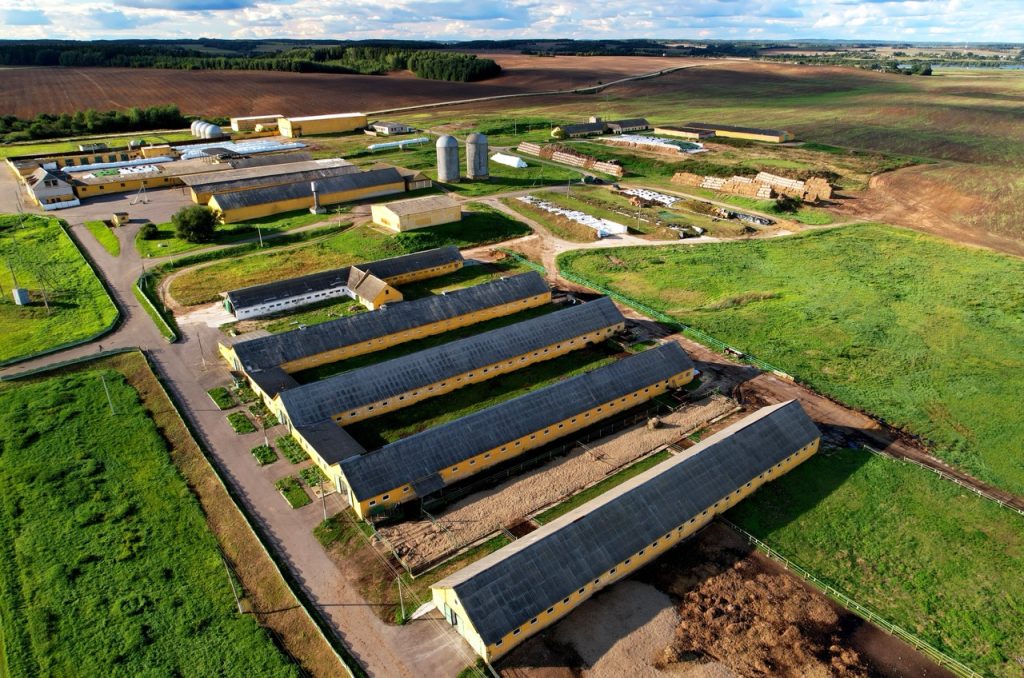
WHAT MAKES COMMERCIAL AGRICULTURE PERIMETER SECURITY DIFFERENT
In commercial agriculture, valuable assets and constant movement are spread across large outdoor environments. No two areas operate the same way.
Large Footprints, Limited Coverage
No single guard rotation can cover hundreds or thousands of acres filled with grain storage, equipment yards, chemical areas, and irrigation infrastructure, and overnight patrols are spotty.
Harvest Brings Peak Site Activity
Harvest and planting concentrate equipment, commodities, contractors, and truck traffic exactly when operators are most fatigued and patrol density is thinnest, especially in overnight windows.
Remote Assets Beyond the Main Site
Pump stations, grain bins, equipment staging areas, and satellite locations often operate without dedicated on-site personnel. Some assets sit miles from the primary facility.
Fire Risk Across Agricultural Assets
Grain handling equipment, dryers, storage areas, and field machinery create fire exposure that remains present across seasons and operating conditions.
WHAT ACTUALLY GOES WRONG
THE SECURITY INCIDENTS YOU'RE ALREADY DEALING WITH
Common Challenges:
OPERATIONAL CONSTRAINTS
WHY TRADITIONAL SECURITY STRUGGLES HERE
Traditional security tools work well at small sites, but commercial agriculture operates at a different, more difficult scale.
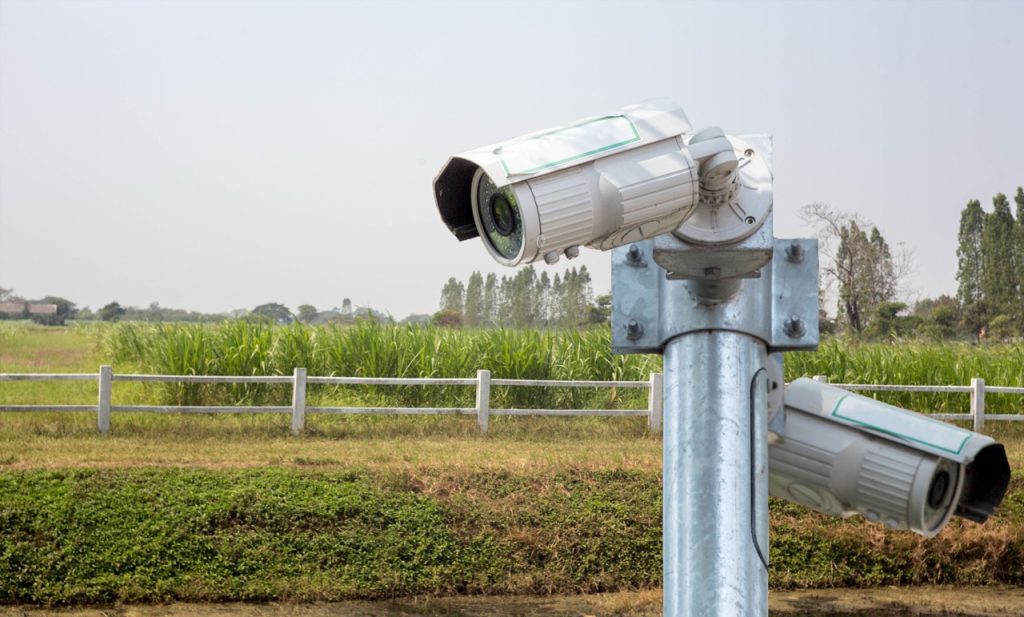
CAMERAS ONLY SEE INSTALLED AREAS
Fixed and trail cameras document activity where they are placed. Large agricultural sites leave significant areas between camera locations.
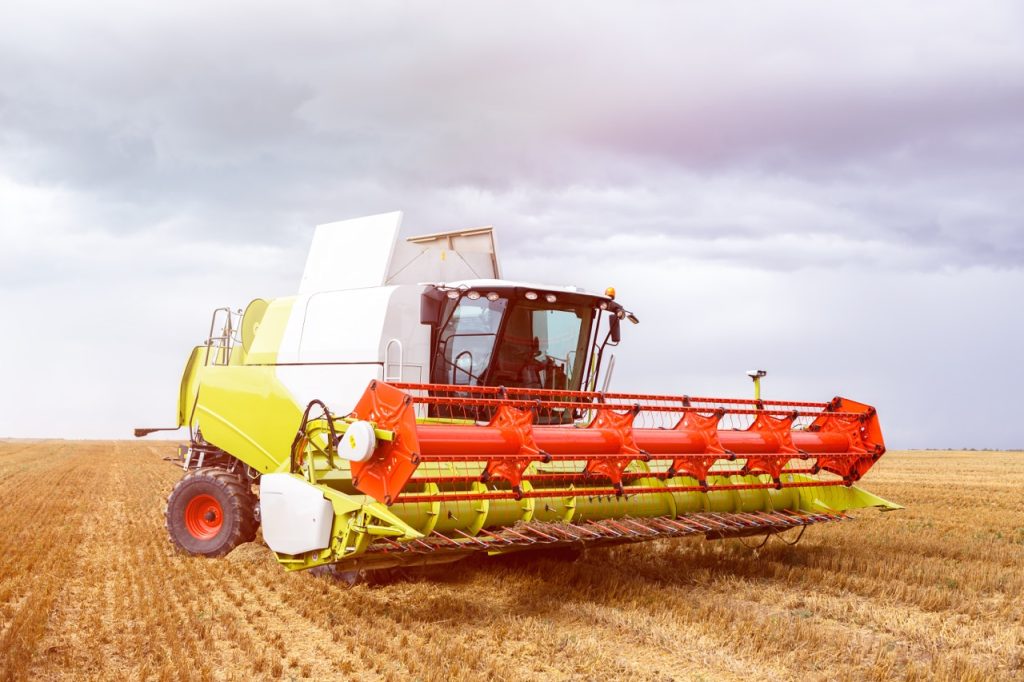
GPS TRACKS EQUIPMENT, NOT ACTIVITY
GPS shows where equipment is located. It does not document activity around the equipment before it moves, and produces no security patrol record.
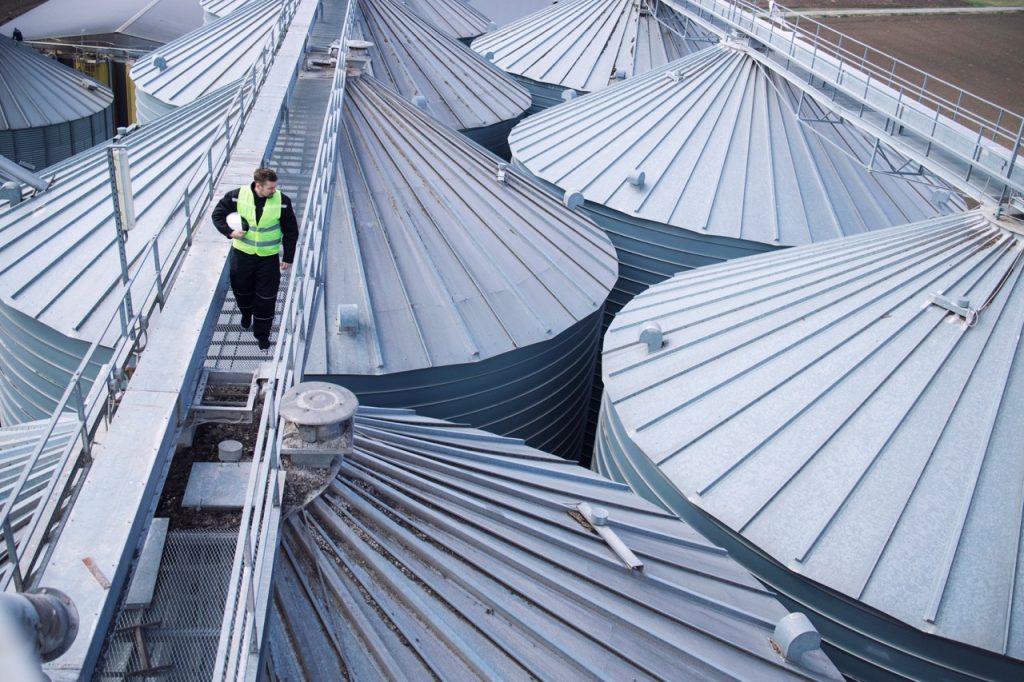
ONE GUARD CANNOT COVER EVERY ZONE
A single guard cannot consistently patrol grain storage, equipment yards, loading areas, and remote assets across a large campus.
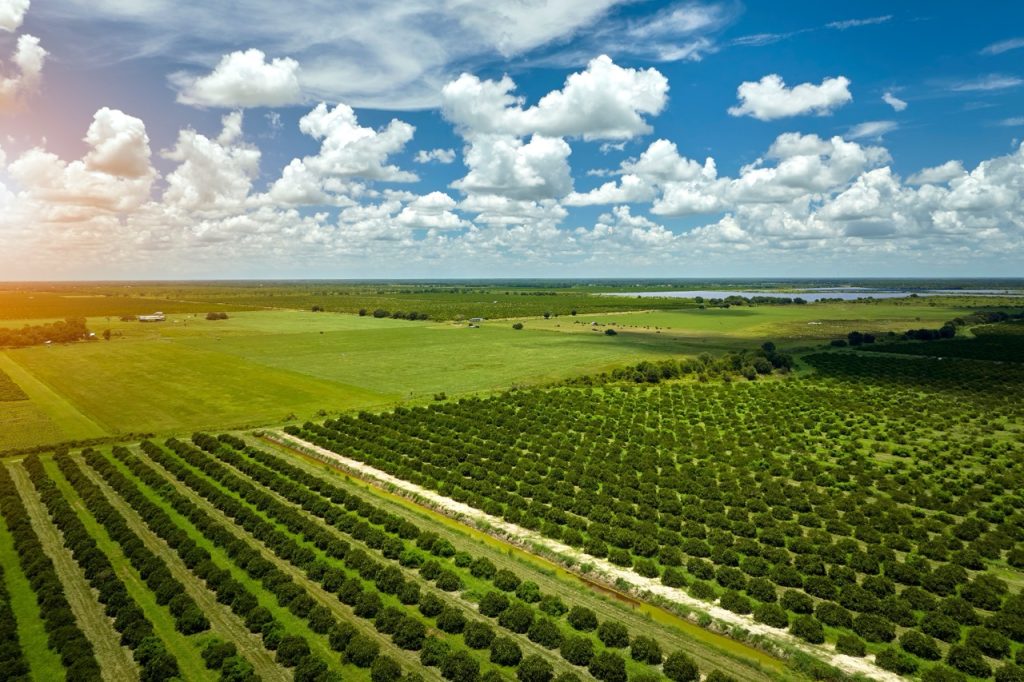
AGRICULTURE PERIMETERS ARE HARD TO MONITOR
Commercial ag facilities like co-ops generally include multiple gates, long fence lines, and remote access points spread across large properties.
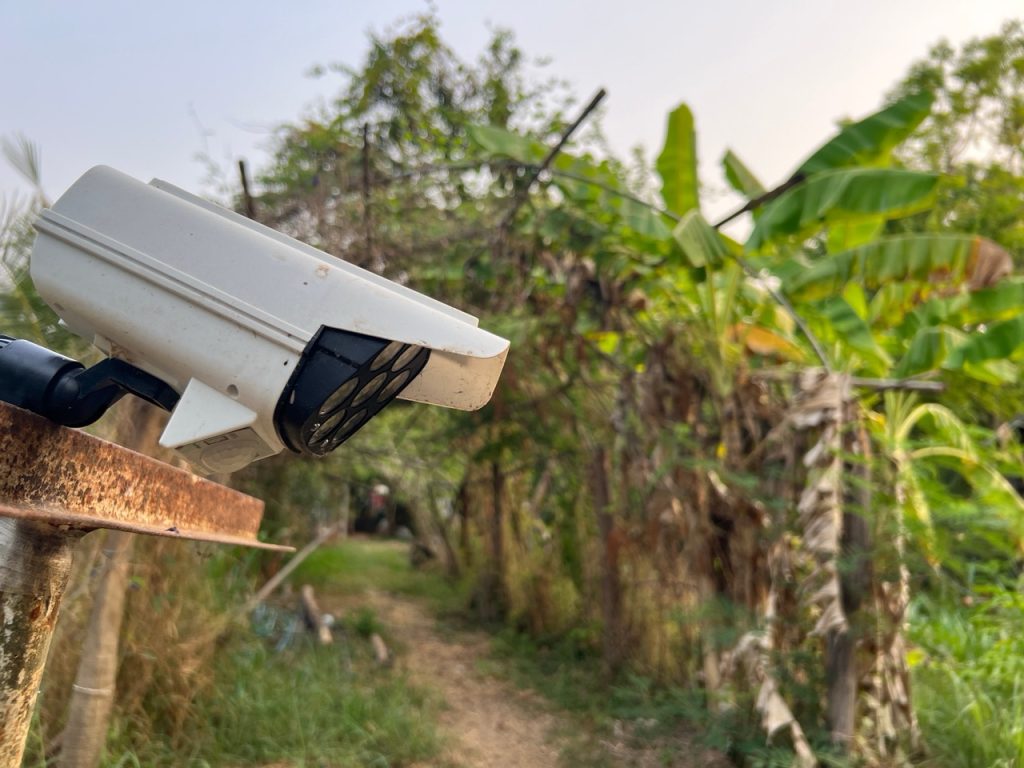
STANDARD CAMERAS DO NOT DETECT HEAT
Issues with grain dryers and other equipment can start as heat events before smoke or flames appear, but standard optical cameras do not capture thermal activity.
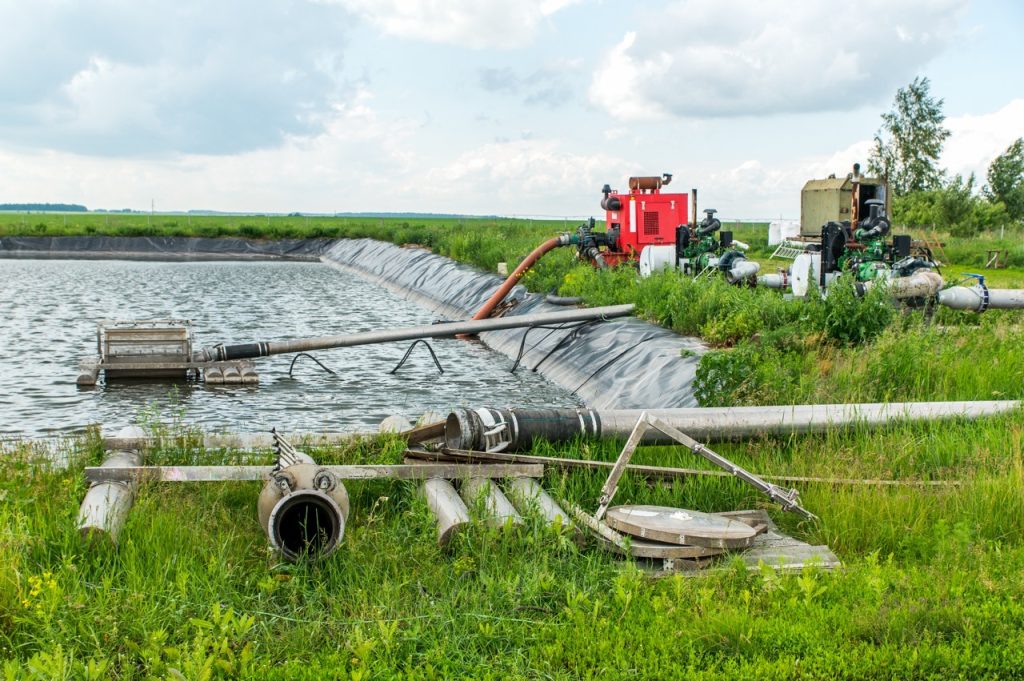
REMOTE INFRASTRUCTURE LACKS DOCUMENTATION
Pump stations, grain bins, and satellite facilities may go long periods between visits. Documentation is often limited between inspections.
WHAT SECURITY LEADERS NEED TO PROVE
ACCOUNTABILITY RUNS IN EVERY DIRECTION
Commercial agriculture security decisions affect more than security teams. Landowners, farmers, facility managers, equipment schedulers and dealers, and insurers all rely on accurate records to understand what happened during an incident and what actions security leaders took.
Timestamped patrol records
Loss control documentation
Packaged evidence of theft
Alarm-to-response timeline
Board reporting records
Contractor/vendor access logs
FROM ALARM TO INCIDENT REPORT

SUSPICIOUS ACTIVITY REPORTED
Landowners, managers, or staff identify unusual movement, equipment damage, or potential fire risks. In remote agricultural areas, issues are often only discovered during scheduled site visits.

VERIFY BEFORE DISPATCH
Before sending personnel to grain storage, equipment yards, or distant field locations, the situation must be confirmed and environmental conditions assessed.

DETERMINE THE RESPONSE
Verified information helps classify the incident—whether it involves equipment, infrastructure, or field operations—and identifies the appropriate response team.

PERSONNEL RESPOND
Maintenance crews, farm staff, contractors, or emergency responders are deployed based on the incident type, location, and operational impact.
INCIDENT AND LOSS REPORTING
Equipment damage, fire incidents, trespassing, and other losses are documented for insurance claims, ownership records, and operational review.
ROBOTICS FIT FOR THE ENVIRONMENT
BUILT FOR COMMERCIAL AGRICULTURAL ENVIRONMENTS
Asylon’s robotic solutions monitor and safeguard large commercial ag sites.
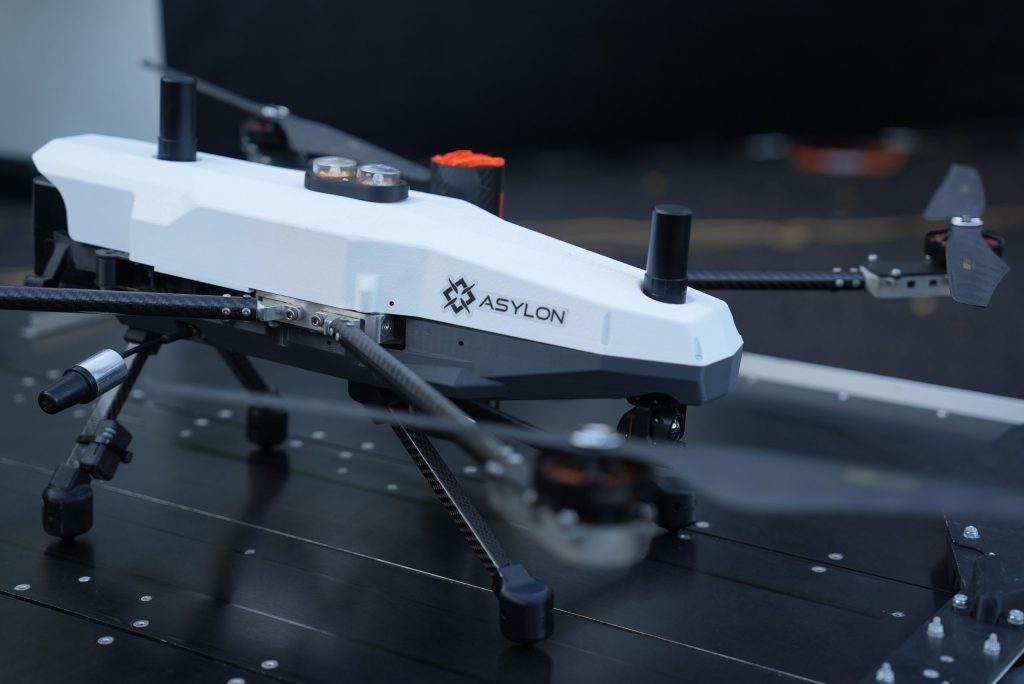
GUARDIAN
Advanced Threat Detection
- 24/7 oversight of entire campus
- Coverage across agricultural assets
- Early detection of fire risks
- Real-time operator visibility
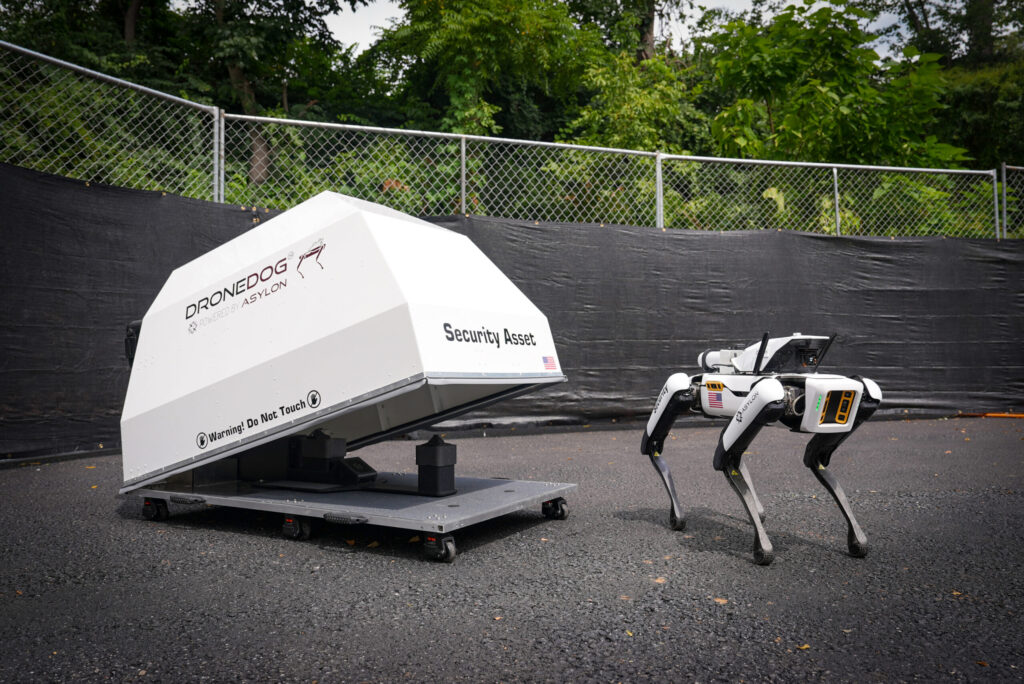
DroneDog™
Automated Surveillance Redefined
- Documented patrols across key zones
- Close inspection of critical assets
- Overnight and off-season coverage
- Full coverage for large-acreage sites
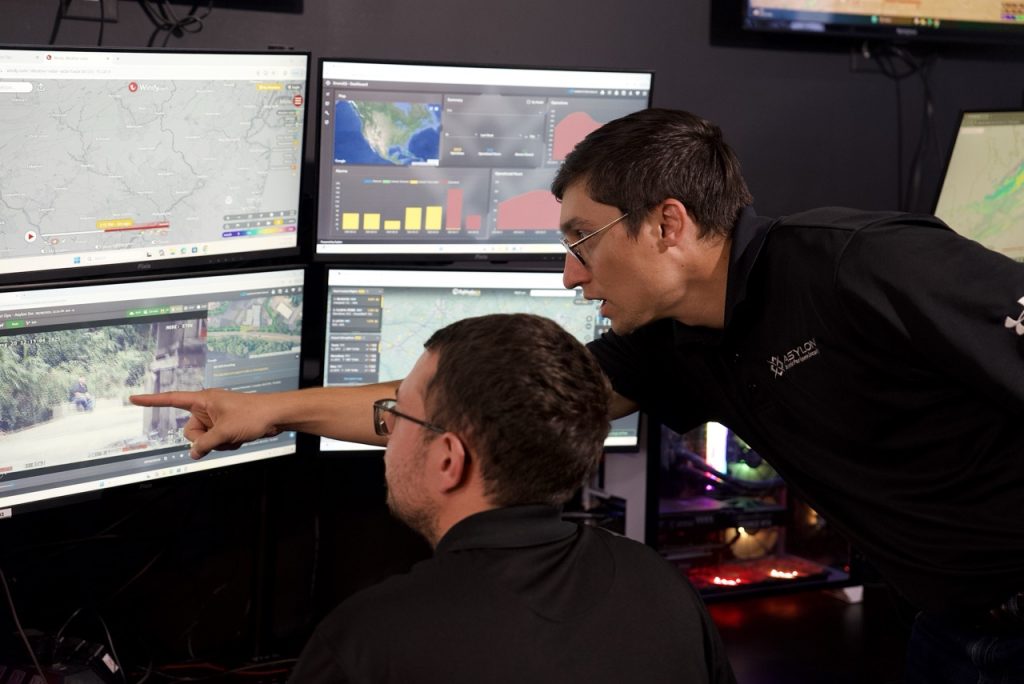
24/7 RSOC
Always-On Security Monitoring
- Coordinated air and ground coverage
- One view across all locations
- Evidence for claims and reviews
- One audit trail for every event
FAQs
Agribusiness operators often ask these questions about security, risk, and documentation:
Can the system detect combine fires or smoldering equipment before there is visible smoke?
Yes. Thermal imaging can detect heat signatures before visible smoke or flames appear.
What documentation does the system generate following an equipment theft claim?
It automatically packages footage, patrol records, timelines, and event logs.
How does robotic patrol work at remote grain bins, pump stations, or satellite cooperative locations without on-site staff?
Guardian aerial drones deploy from a central hub. DroneDog completes scheduled patrols and charges autonomously.
Our insurer's loss control team made security recommendations at our last survey. How does Asylon support our response?
Patrol and response records provide evidence that you implemented recommendations.
Can the system integrate with our existing access control or farm management systems?
Open integrations connect with existing alarms, access control, and systems.
How long does deployment typically take for a multi-location cooperative?
Most deployments begin 2-3 months after planning. Once integrations are ready, drones are on site within 24 hours.
We manage multiple cooperative locations across several counties. Can Asylon cover all of them from a single console?
Yes. We deliver one unified system with a single audit trail across all locations.
Connect With the Asylon Team
Every commercial agricultural operation is unique. Speak with Asylon about securing grain facilities, equipment yards, remote assets, and cooperative campuses with a program built for your environment.