Robotics supplement patrol coverage, helping security teams monitor large manufacturing sites more consistently.
MANUFACTURING SECURITY REALITY
WE UNDERSTAND
YOUR ENVIRONMENT
Manufacturing sites run on overlapping schedules, deliveries, and maintenance work, making suspicious activity hard to distinguish from normal operations.
Common Challenges
- High volumes of daily vehicle and pedestrian traffic
- Contractor and vendor access across multiple areas
- Outdoor storage of valuable equipment and materials
- Blind spots between buildings and operational zones
- Employee safety concerns after hours
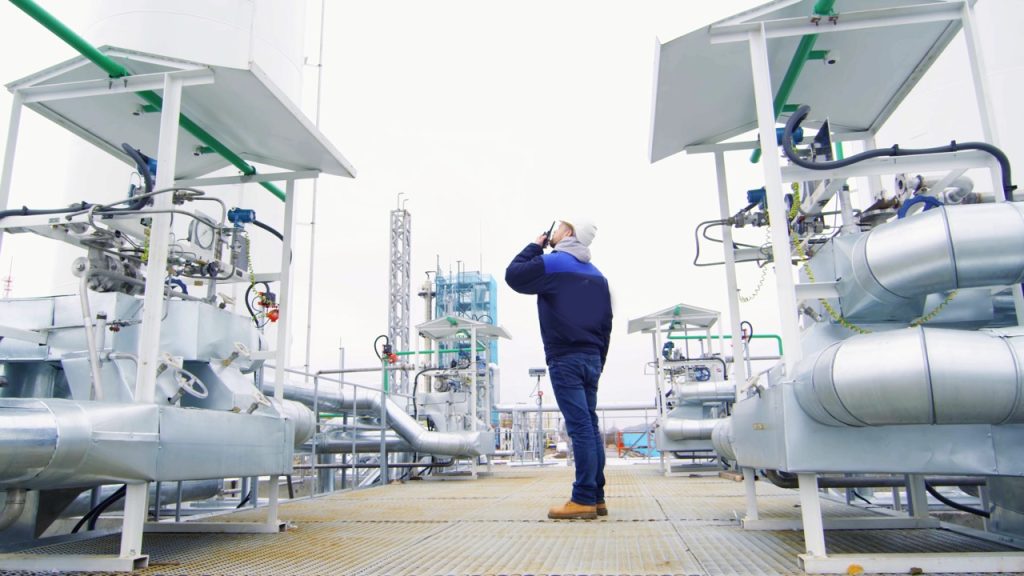
WHAT MAKES MANUFACTURING PLANT PERIMETER SECURITY DIFFERENT
Manufacturing sites often include multiple operational zones. Each presents unique perimeter security challenges and visibility concerns.
Large Sites, Limited Visibility
Hundreds of acres of production buildings, storage yards, loading docks, and parking areas cover more ground than any guard rotation can consistently secure.
Shift Changes Open Security Gaps
Shift changes can create periods of heavy traffic at facility entrances, making it more difficult to identify unauthorized activity, even with plant security systems in place.
Outdoor Assets Left Exposed
Raw material yards, finished goods staging, and loading docks sit outside most fixed camera coverage and go unwatched—a common challenge for many manufacturing security systems.
Perimeter Blind Spots
Fencing isn’t always visible from a single vantage point. Vegetation, equipment, and facility infrastructure can obstruct key areas.
WHAT ACTUALLY GOES WRONG
THE SECURITY INCIDENTS YOU'RE ALREADY DEALING WITH
Seen these before?
OPERATIONAL CONSTRAINTS
WHY TRADITIONAL SECURITY STRUGGLES HERE
Security for manufacturing extends beyond a single building or entrance. Traditional methods have practical limitations.
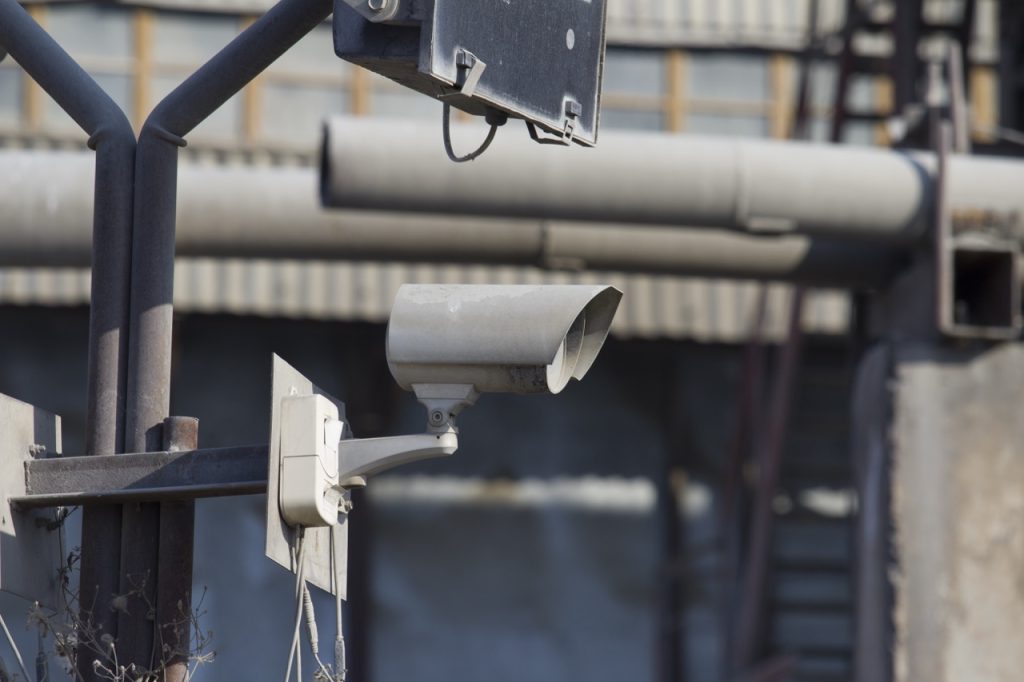
STATIC COVERAGE ACROSS LARGE SITES
Fixed cameras only capture what falls within their field of view. Areas between storage yards, loading zones, and perimeter sections may receive less consistent coverage.
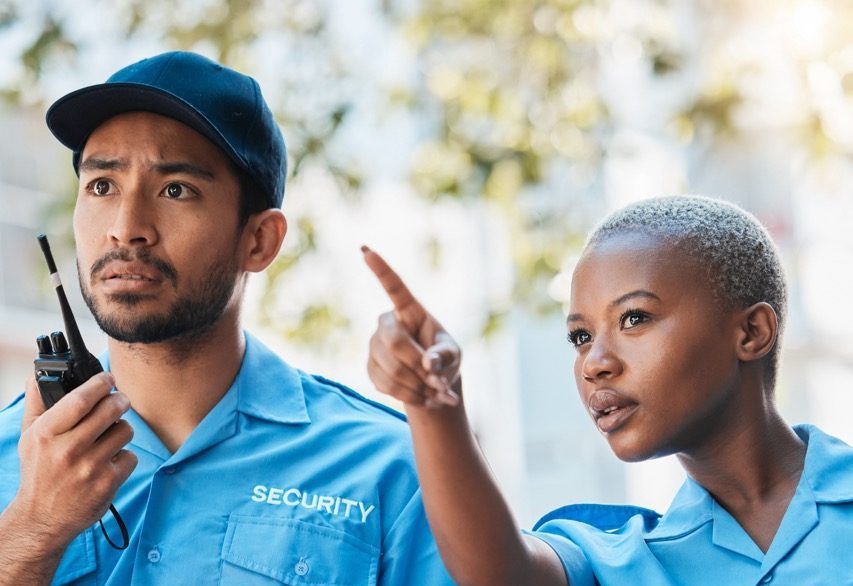
LIMITED PATROL REACH
Manufacturing plant security guards can monitor key locations, but covering multiple operational areas on a consistent schedule is a different challenge.
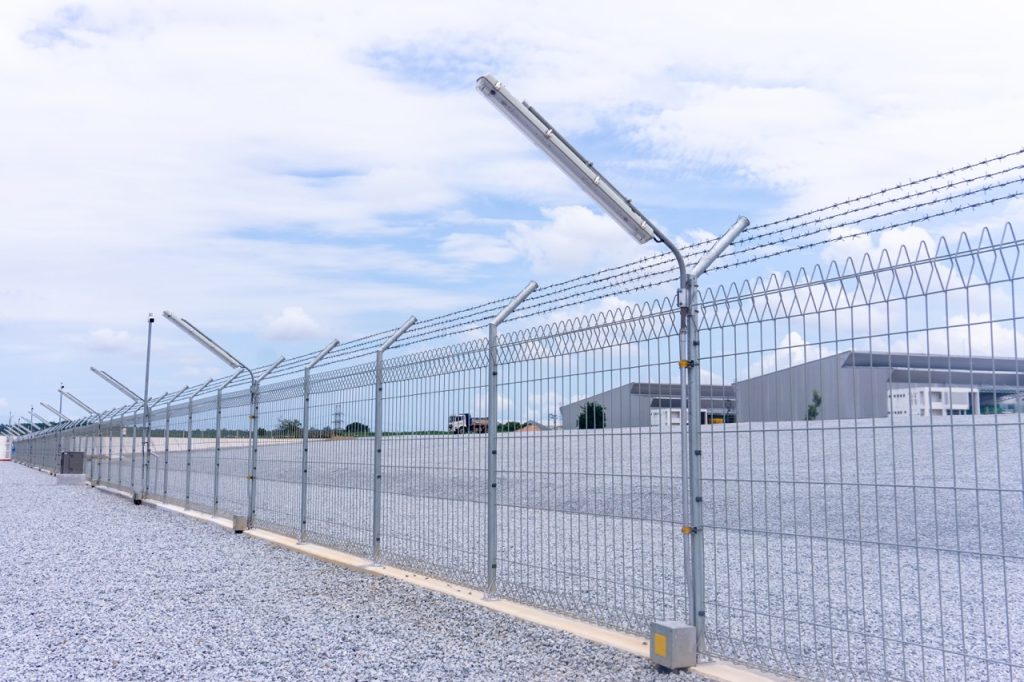
FENCES DON'T SHOW WHAT HAPPENED
Fences create a boundary and access systems record entry events, but neither explains what occurs after someone enters the property.
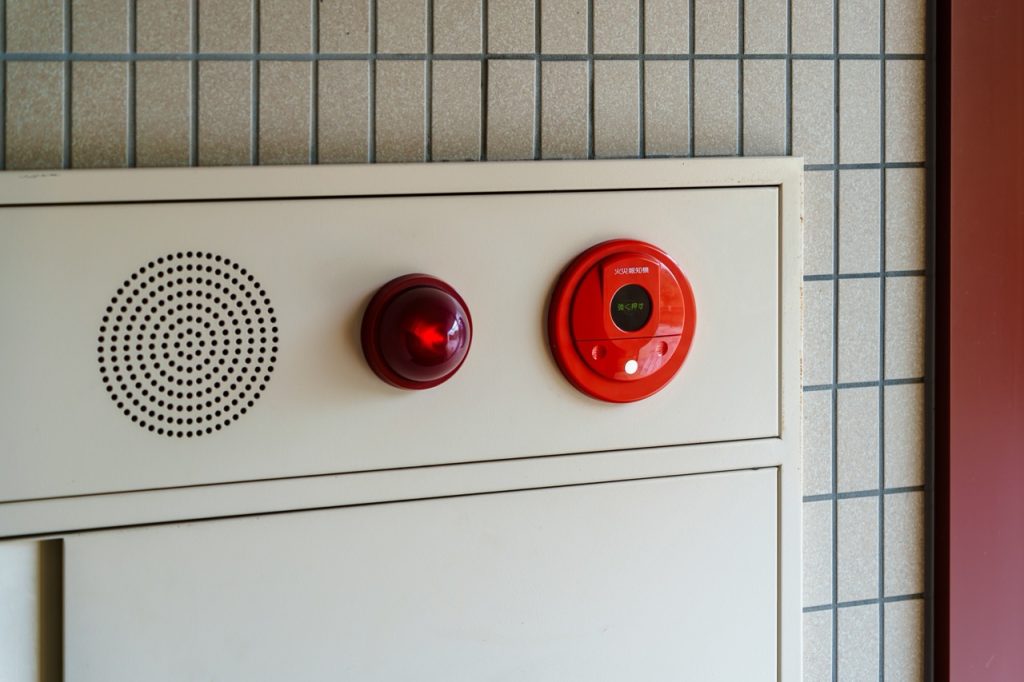
ALARMS WITHOUT CONTEXT
An alarm may indicate that something happened, but determining whether a response is necessary often requires additional investigation.

DOCUMENTATION DEPENDS ON PROCESS
Manual patrol logs and incident records rely on consistent documentation practices that can vary between personnel and shifts.

COVERAGE CAN VARY OVER TIME
Staffing levels, turnover, and changing responsibilities can affect the consistency of plant security coverage across the property.
WHAT MANUFACTURING SECURITY LEADERS NEED TO PROVE
ACCOUNTABILITY RUNS IN EVERY DIRECTION
After an incident, plant security teams answer to multiple stakeholders: each with different concerns and priorities. Plant managers and operations leaders need to assess production impact, while corporate security and risk teams evaluate policy exposure. Insurers require documentation, legal counsel reviews the facts, and law enforcement may request evidence. In each case, the ability to demonstrate what happened can be just as important as the response itself.
Insurance Claim Records
Inventory Loss Documentation
Contractor Access Records
Safety Compliance Records
Executive Incident Reports
Law Enforcement Evidence
FROM ALARM TO INCIDENT REPORT

ALARM
A security event is detected near the perimeter, a gate, or a restricted area.

VERIFICATION
The event is reviewed to determine whether the activity is legitimate or suspicious.

DECISION
Security personnel assess the situation and determine the appropriate response.
RESPONSE
The selected response is carried out and documented by the security team.

DOCUMENTATION
An incident report is created with timestamps, records, and supporting evidence.
ROBOTICS FIT FOR THE ENVIRONMENT
BUILT FOR MANUFACTURING PLANT SECURITY
These manufacturing security solutions are built for facilities where security responsibilities extend beyond the production floor.
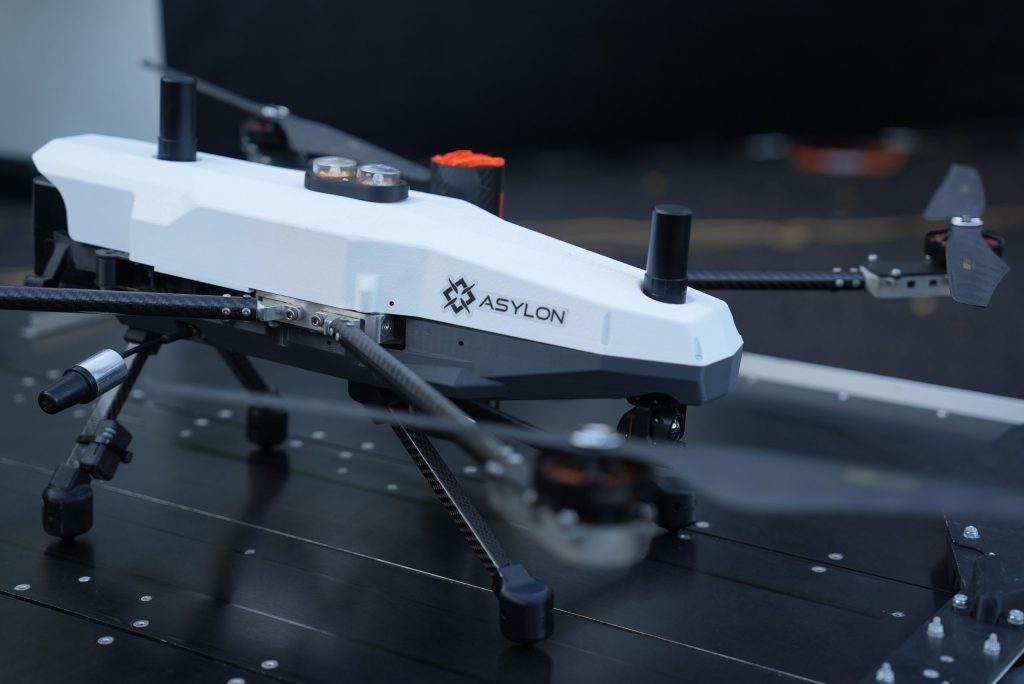
GUARDIAN
Advanced Threat Detection
- Covers large outdoor facility areas
- Verifies alarms before dispatch
- Monitors storage and loading zones
- Assesses restricted areas remotely
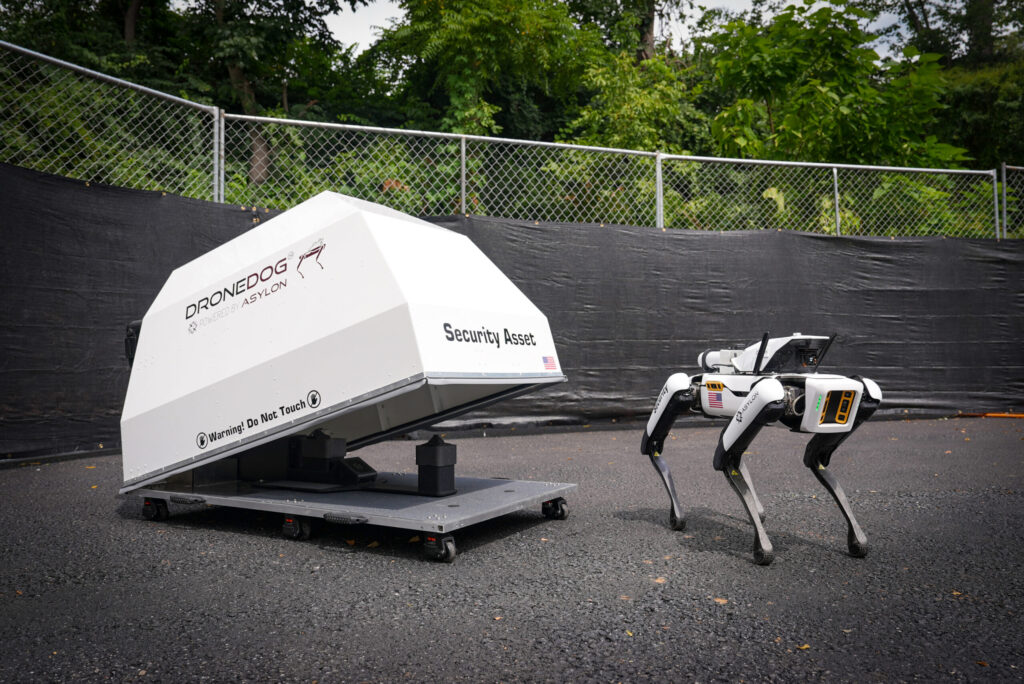
DroneDog™
Automated Surveillance Redefined
- Patrols fence lines and storage yards
- Documents loading dock activity
- Maintains overnight site presence
- Deters theft in outdoor zones
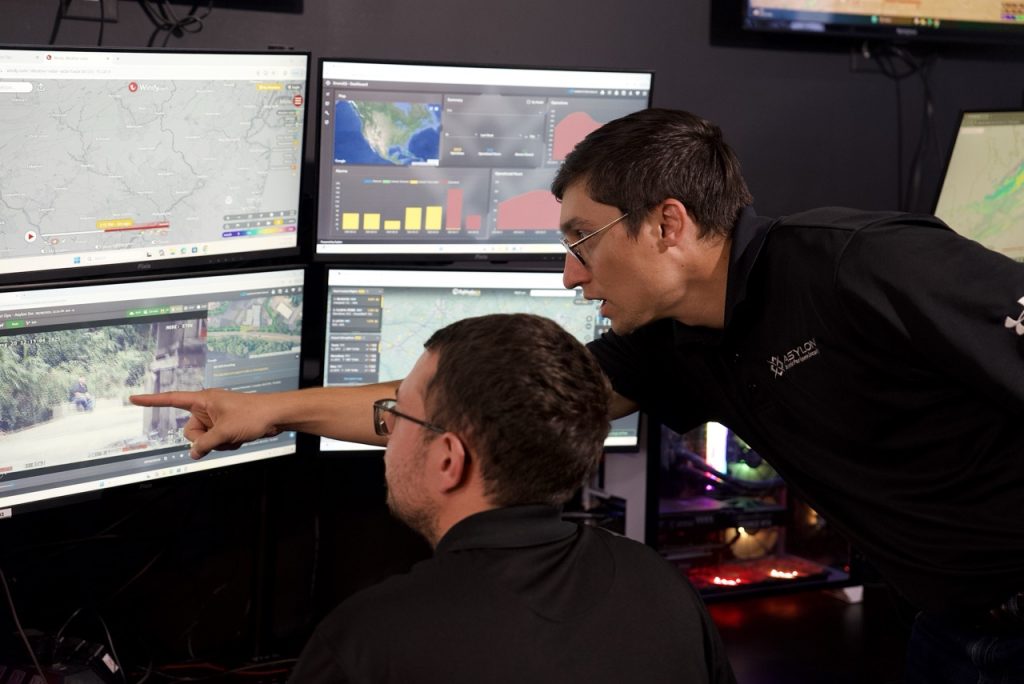
24/7 RSOC
Always On Security Monitoring
- Supports plant security systems
- Coordinates aerial and ground patrols
- Maintains a unified incident record
- Provides documented response history
FAQs
Manufacturing facilities face unique security challenges. Here are answers to some of the questions we hear most often.
What records are created automatically?
Patrol activity, alarm history, operator actions, and incident records are automatically documented.
Will this work with our existing systems?
Yes. The platform can exchange data with existing systems through configurable integrations.
What happens when an alarm is triggered?
An analyst verifies the event and follows site-specific procedures to determine the appropriate response.
How quickly can we get started?
Deployment timelines vary, but many sites can begin operations shortly after installation and training.
How long does deployment take?
Most deployments are operational within weeks, depending on site size and requirements.
What evidence is available after a theft?
Video, patrol records, timestamps, and operator actions can be compiled into a documented evidence package.
Can multiple plant locations be managed together?
Yes. Security teams can monitor multiple plants through a centralized platform and apply facility protection strategies across locations.
What is included with Robotics-as-a-Service?
The subscription includes equipment, maintenance, monitoring, software management, and support without major upfront capital costs.
Connect With the Asylon Team
From outdoor storage areas to loading docks and facility perimeters, manufacturing sites present security challenges that require consistent visibility. Connect with the Asylon team to learn more.