Our platform exports timestamped patrol logs, perimeter events, alarm timelines, and operator decisions.
DATA CENTER SECURITY REALITY
FROM PERIMETER
TO SERVER
A data center’s security obligation doesn’t end at the fence line. It runs from the outer perimeter through the campus grounds, through access-controlled building entry points, through cage and cabinet access zones – and every layer of that stack needs a documented, verifiable audit trail for the compliance frameworks your customers and regulators require.
Data centers encompass server rooms, power and cooling systems, loading areas, and layered perimeters. Every element supports continuous operations.
- Hyperscale & Cloud – Multi-building campuses with segmented security zones and documented physical access.
- Colocation Facilities – Shared campuses with tenant-specific access, common infrastructure, and separate audit trails.
- Enterprise Data Centers – Physical security aligned with PCI DSS, HIPAA, NIST, FedRAMP, and internal governance requirements.
- Edge Data Centers – Remote facilities with limited staffing and greater dependence on automated perimeter coverage.
- Critical Infrastructure – Independent power generation, cooling plants, utility yards, and other support systems outside the data hall.
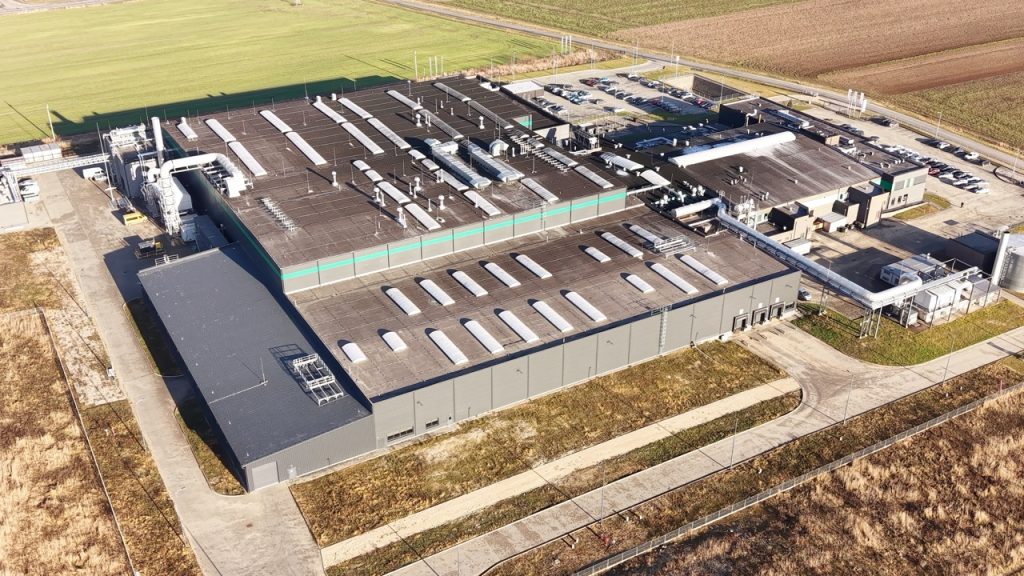
WHAT MAKES DATA CENTER PERIMETER SECURITY DIFFERENT
Data center perimeter security spans server halls, power and cooling systems, and layered security zones. All need continuous visibility and documentation.
Exterior Coverage Visibility
Fencing, loading areas, utility access points, and generator yards span large areas beyond data halls. Maintaining consistent visibility across exterior zones is an ongoing security challenge.
Multiple Access Zones
Data centers include layered security zones with separate access requirements for employees, contractors, vendors, and visitors. Maintaining visibility across those transitions is a necessity.
After-Hours Coverage Gaps
Data centers must operate 24/7/365, but overnight and weekend staffing is often light. Large campuses still require consistent visibility across exterior security zones during these periods.
Key Infrastructure Exposure
Power systems, cooling infrastructure, generator yards, and utility corridors extend the physical security boundary well beyond the server halls and primary building entrances.
WHAT ACTUALLY GOES WRONG
THE SECURITY INCIDENTS YOU'RE ALREADY DEALING WITH
Some common events:
OPERATIONAL CONSTRAINTS
WHY TRADITIONAL SECURITY STRUGGLES HERE
Data center access control, cameras, and security officers each serve a distinct purpose, yet none continuously documents activity across the whole site.
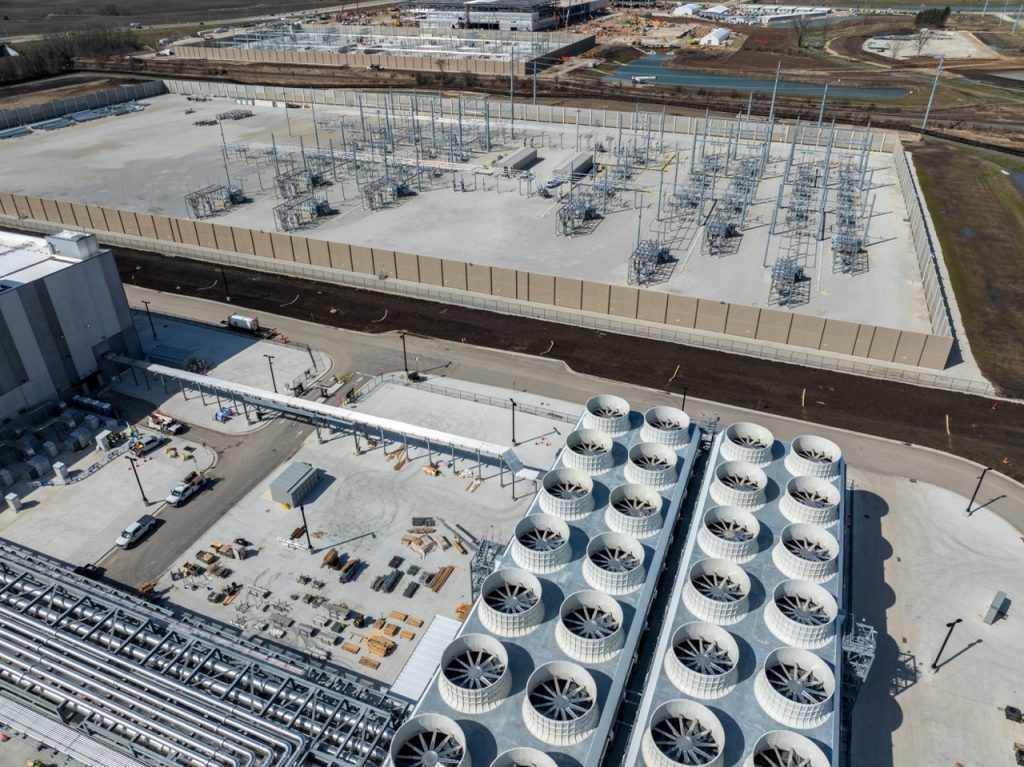
FIXED VIEWS ACROSS LARGE SITES
Cameras monitor fixed views, but server buildings, generator yards, cooling plants, and loading areas create spaces between those views.
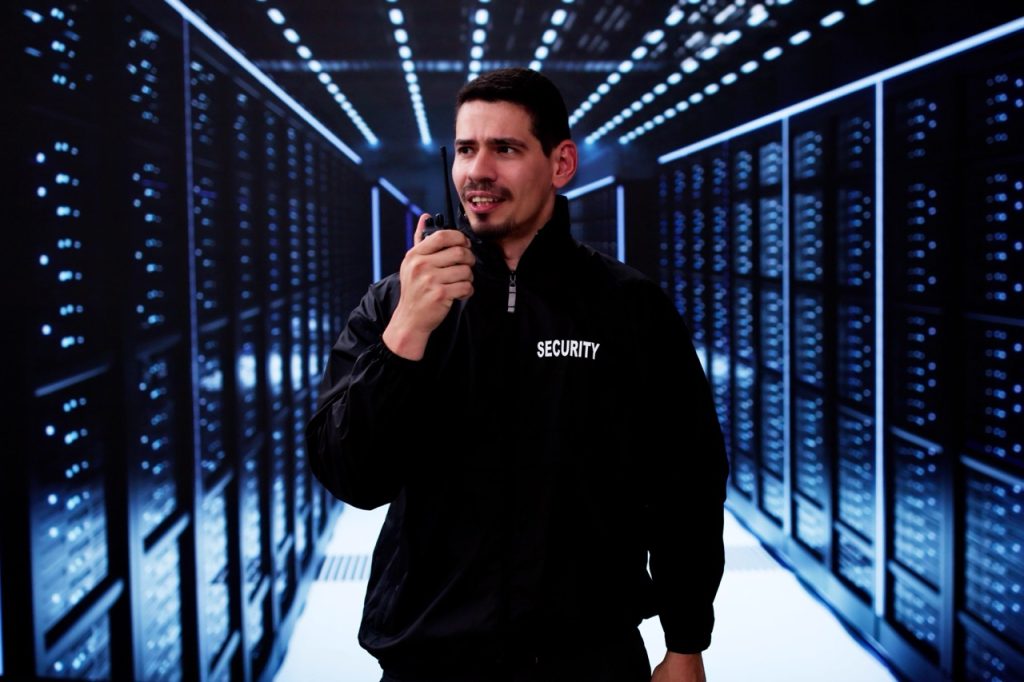
COMPETING GUARD PRIORITIES
Security officers balance badge events, visitor access, CCTV monitoring, and perimeter patrols across a campus that never stops operating.

BADGE LOGS ≠ MOVEMENT LOGS
A data center access control system records authorized entry, not movement between security zones or activity beyond controlled doors.

ALARM BEFORE VERIFICATION
A fence-line or perimeter alarm creates an alert, but verifying activity across a large campus may take longer than the event itself.
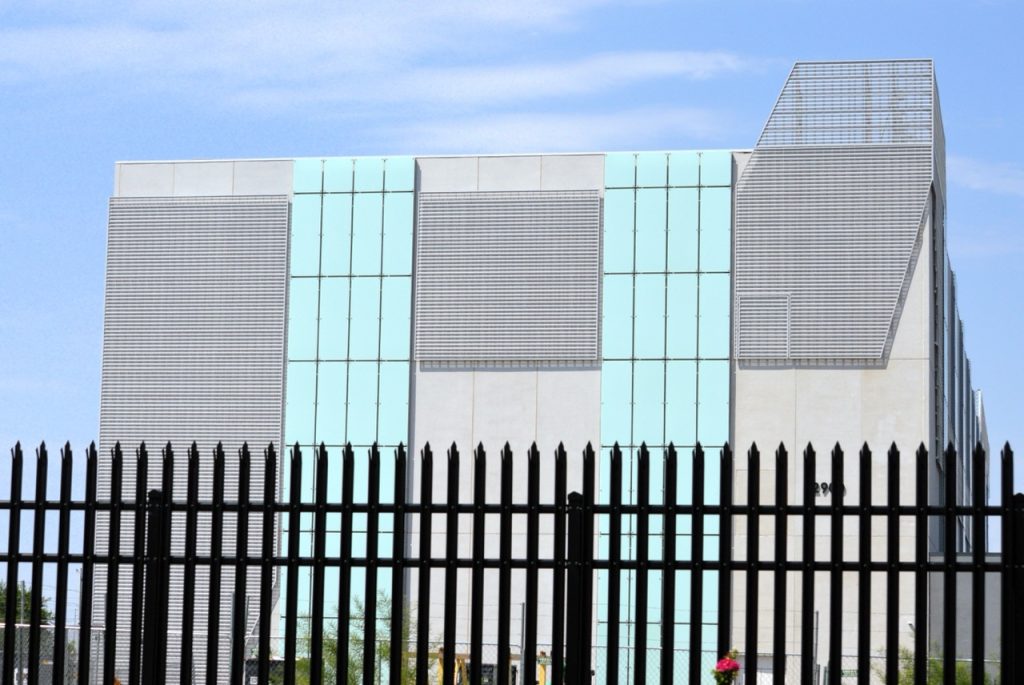
AUDIT VS. PATROL RECORDS
Badge logs and camera footage support audits, but they don’t create a timestamped record showing routine perimeter activity over time.
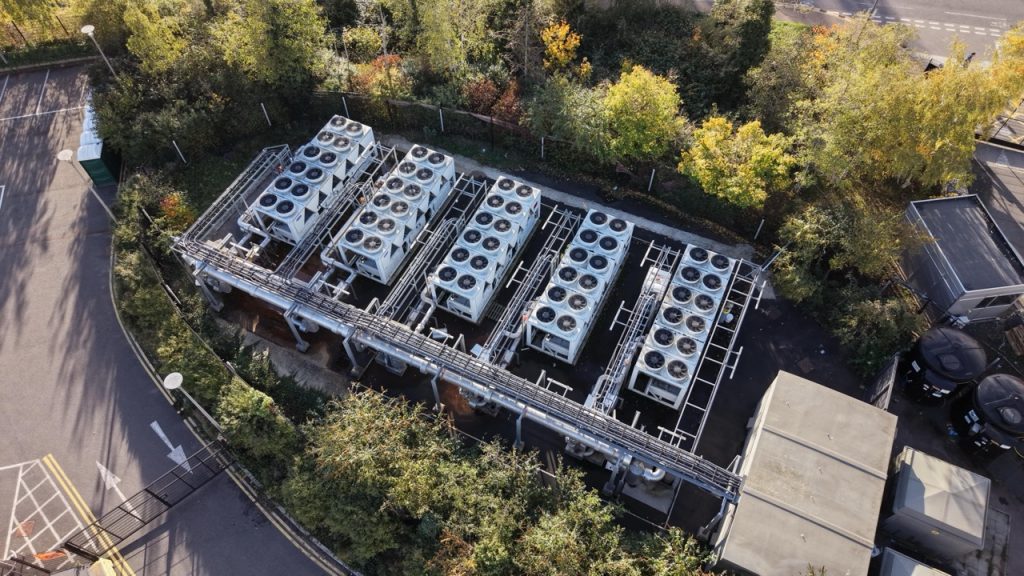
BEYOND THE SERVER HALLS
Generator yards, cooling systems, utility corridors, and fuel infrastructure sit beyond the data halls but remain within the physical security boundary.
WHAT SECURITY LEADERS NEED TO PROVE
ACCOUNTABILITY RUNS IN EVERY DIRECTION
Data center security depends on coordinated oversight. Security officers manage credentialing and site access, while Site Security Managers oversee daily operations and contract guard services. Directors and VPs of Physical Security are responsible for security strategy, compliance, budgets, and vendor management. Cybersecurity and IT teams protect enterprise systems and support compliance, creating a shared responsibility for physical and digital security.
Physical Security Evidence
Access Control History
Cyber Insurance Records
Perimeter Activity Logs
Incident Chain of Events
Alarm Response Timeline
FROM ALARM TO INCIDENT REPORT

ALARM
A fence-line intrusion, utility yard activity, unauthorized entry attempt, or other perimeter event triggers an alarm for review.

VERIFICATION
Security personnel review camera feeds, access records, and available evidence to determine whether the alarm reflects legitimate activity or requires a response.

SECURITY DECISION
Based on the available information, security determines whether to dispatch personnel, escalate the incident, or continue monitoring.

RESPONSE
Security personnel investigate the location, assess the situation, and escalate to site leadership or law enforcement when appropriate.

DOCUMENTATION
Incident records, timelines, video, access logs, and officer reports are compiled to support audits, investigations, insurance, and regulatory requirements.
ROBOTICS FIT FOR THE ENVIRONMENT
BUILT FOR SECURITY IN HIGHLY RESTRICTED ZONES
Asylon's platforms address data centers’ physical security demands.
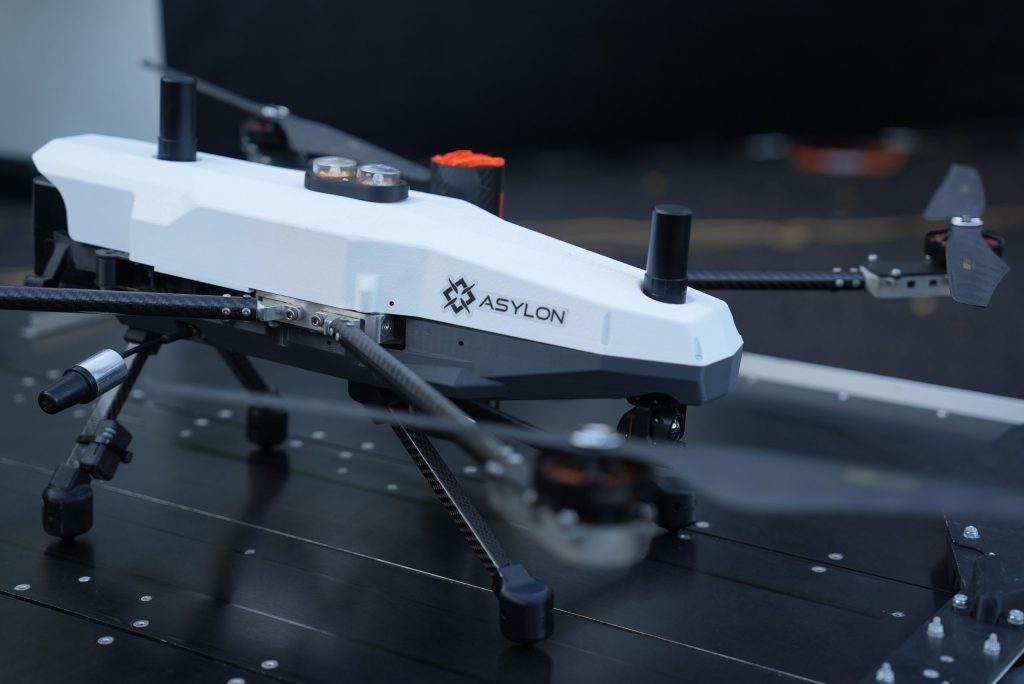
GUARDIAN
Advanced Threat Detection
- Fence-to-building verification
- Rapid perimeter assessment
- Generator yard visibility
- Live incident verification
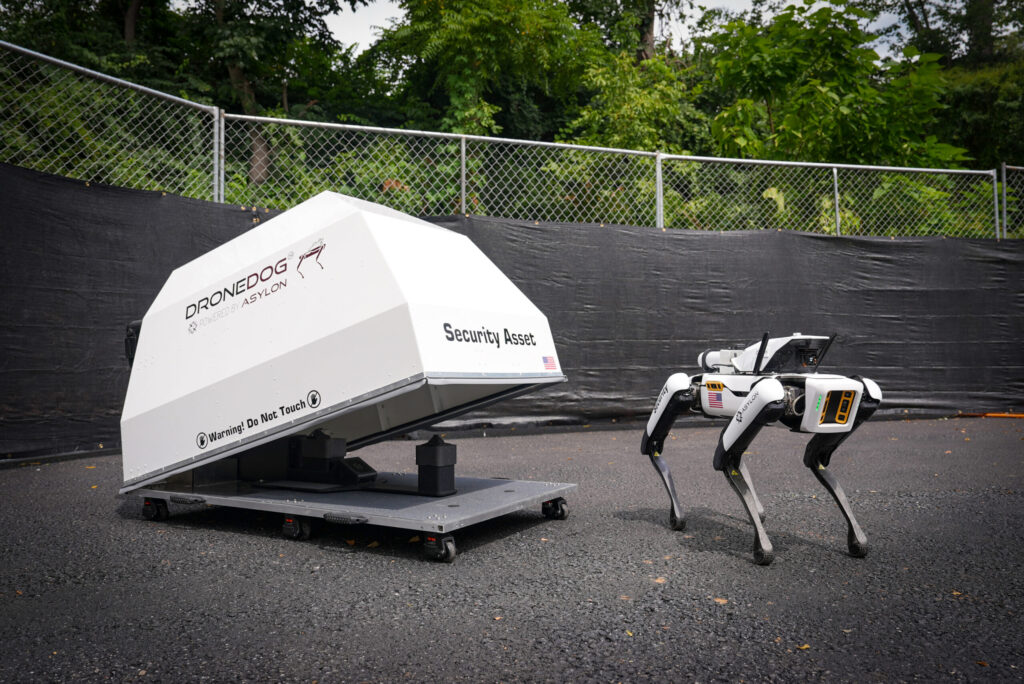
DroneDog™
Automated Surveillance Redefined
- Campus perimeter patrols
- Utility corridor patrols
- Overnight & weekend coverage
- Ground-level fence checks
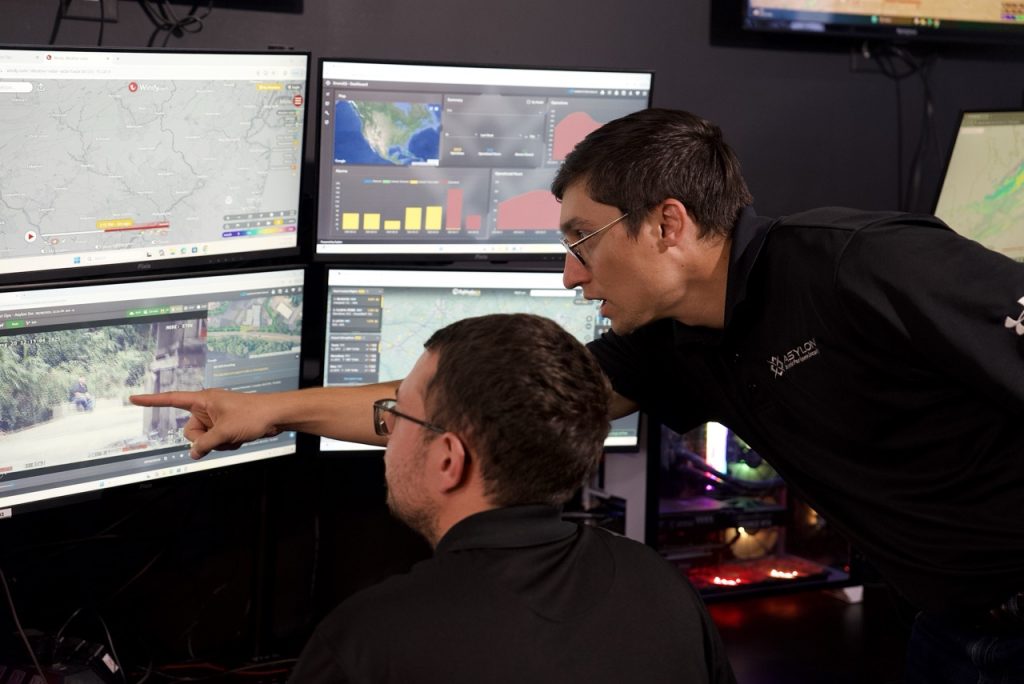
24/7 RSOC
Always-On Security Monitoring
- Unified security oversight
- Decisions verified by humans
- Combined incident evidence
- Exportable audit records
FAQs
While every data center has unique security, compliance, and operational requirements, here are answers to some common questions.
How does robotic security work with existing data center guards?
Robots patrol continuously while guards manage access, response, and on-site investigations.
Will Asylon integrate with our data center access control system?
Yes, our solutions integrate with existing access control and perimeter alarm systems through open APIs.
What happens after a 3AM alarm at a generator yard or utility corridor?
The event is verified, reviewed by RSOC, and escalated using documented response procedures.
What happens if a robot detects an intruder on our data center campus?
RSOC verifies the event and follows your approved SOPs to notify security or law enforcement.
How quickly can Asylon deploy its solutions at a data center campus?
DroneDog deployments typically begin within 60 days. Guardian timing depends on FAA approvals.
Can Asylon secure multiple data center campuses from one platform?
Yes, our systems centralize patrols, incidents, and documentation across all data center locations.
Can DroneDog patrol inside server rooms and data halls?
Yes, we support indoor deployments, with networking configured for your data center’s specifications.
Connect With the Asylon Team
Whatever your type of data center, Asylon can help strengthen your perimeter security while supporting your compliance and documentation requirements. Contact our team to discuss a security program built for your environment.