No. DroneDog augments airport perimeter security by handling routine patrols while security personnel retain responsibility for all response and enforcement decisions.
AIRPORT SECURITY REALITY
WE UNDERSTAND
YOUR ENVIRONMENT
Large airport campuses combine public access with restricted operations, making consistent perimeter coverage difficult to maintain.
Common Challenges
- Expansive perimeter fences and access roads
- Airport parking and vehicle entry points
- Fuel farms and restricted airfield areas
- Maintenance hangars after business hours
- Limited overnight patrol coverage
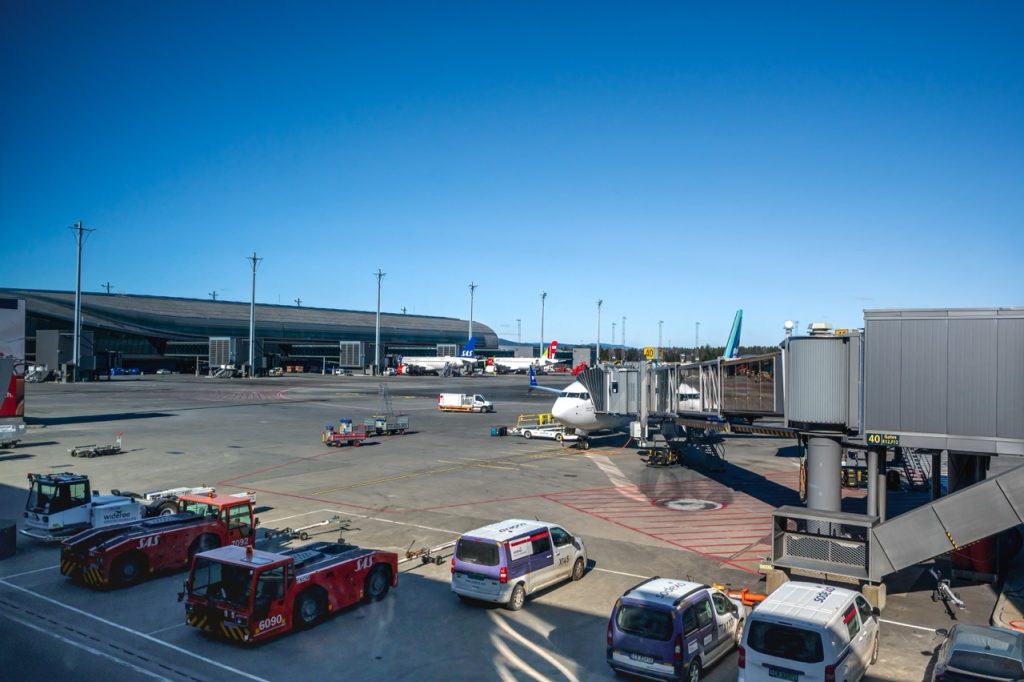
WHAT MAKES AIRPORT PERIMETER SECURITY DIFFERENT
Airport perimeter security extends well beyond the fence. Daily operations create coverage requirements unique to regulated aviation facilities.
Documented Perimeter Inspections
Airport perimeter security programs require documented fence inspections under established schedules. Those inspections verify fence conditions but do not provide continuous observation between patrols.
Reduced Overnight Staffing
Between the last departure and first arrival, airports reduce security staffing without reducing the amount of perimeter that must be patrolled.
Limited Security at Smaller Airports
Lower traffic volumes and smaller operating budgets often leave regional airports with fewer officers responsible for the entire perimeter.
WHAT ACTUALLY GOES WRONG
THE SECURITY INCIDENTS YOU ARE ALREADY DEALING WITH
Some common events:
OPERATIONAL CONSTRAINTS
WHY TRADITIONAL SECURITY STRUGGLES HERE
Airport security systems are essential, but every security measure has practical limits that affect how the perimeter is monitored.
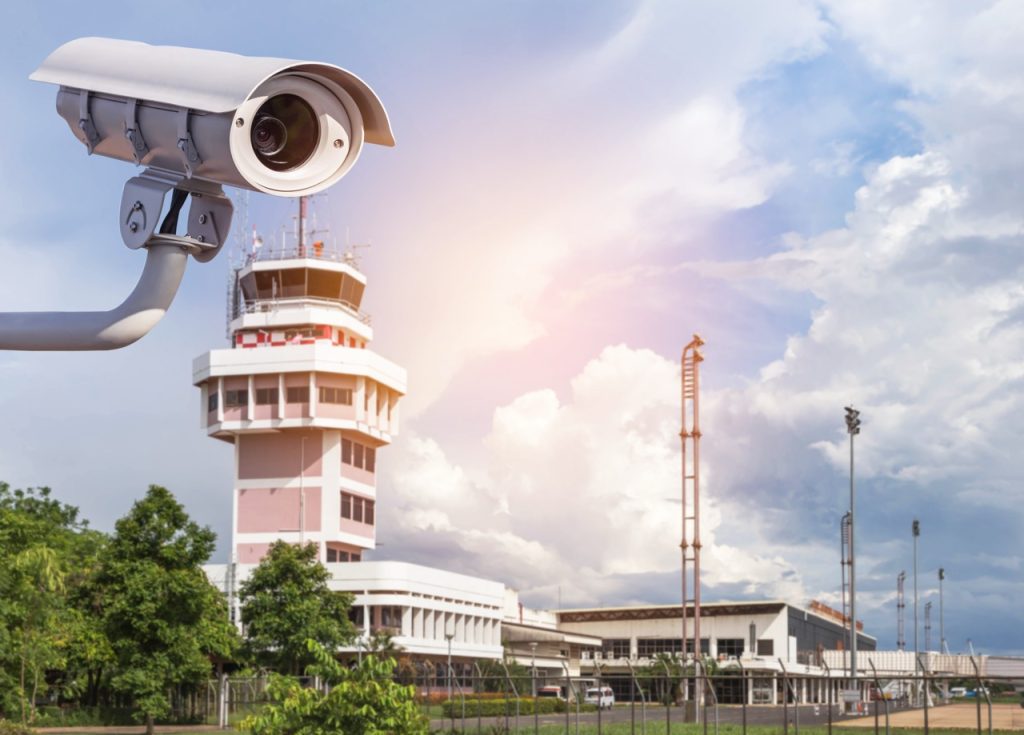
FIXED CAMERAS LEAVE COVERAGE GAPS
Fixed cameras monitor gates and key access points, but long fence lines, perimeter roads, and remote service areas remain outside continuous visual coverage.
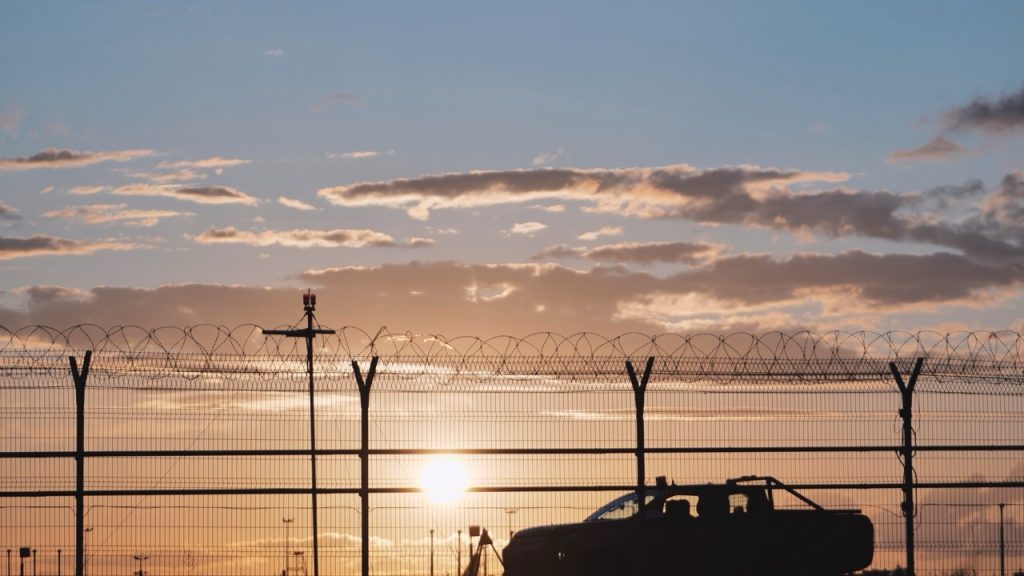
INSPECTION SCHEDULES LEAVE GAPS
Airport perimeter security systems include routine perimeter inspections, but those inspections only verify conditions at the time they are performed.
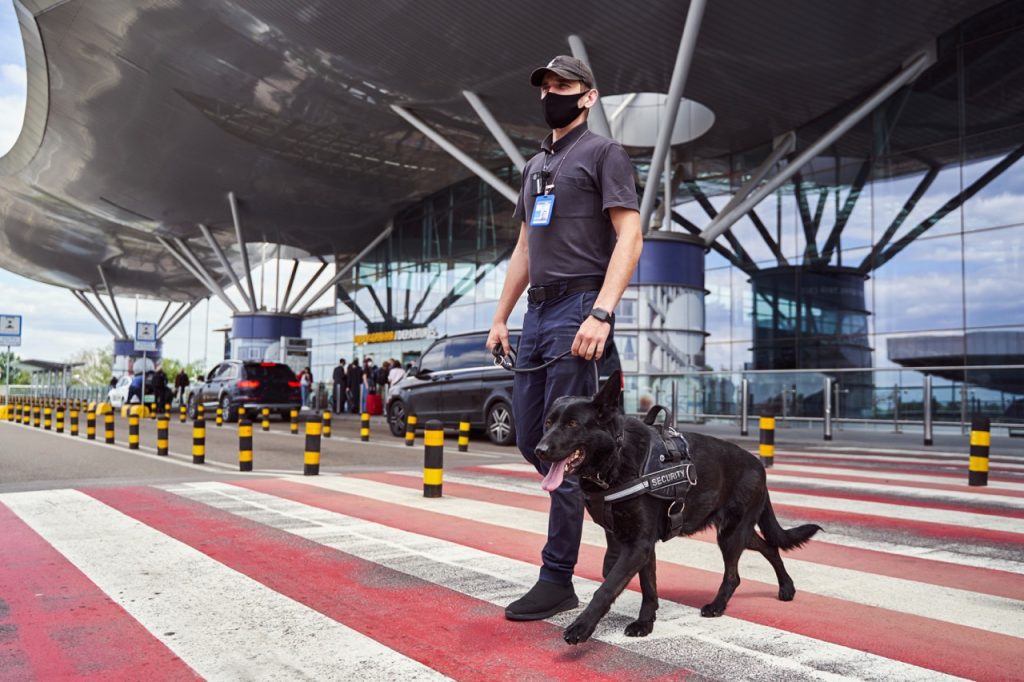
PATROLS CAN'T BE EVERYWHERE
Security officers patrol one area at a time, leaving other zones unattended until the next round. Large campuses and limited staffing can slow response to distant incidents.
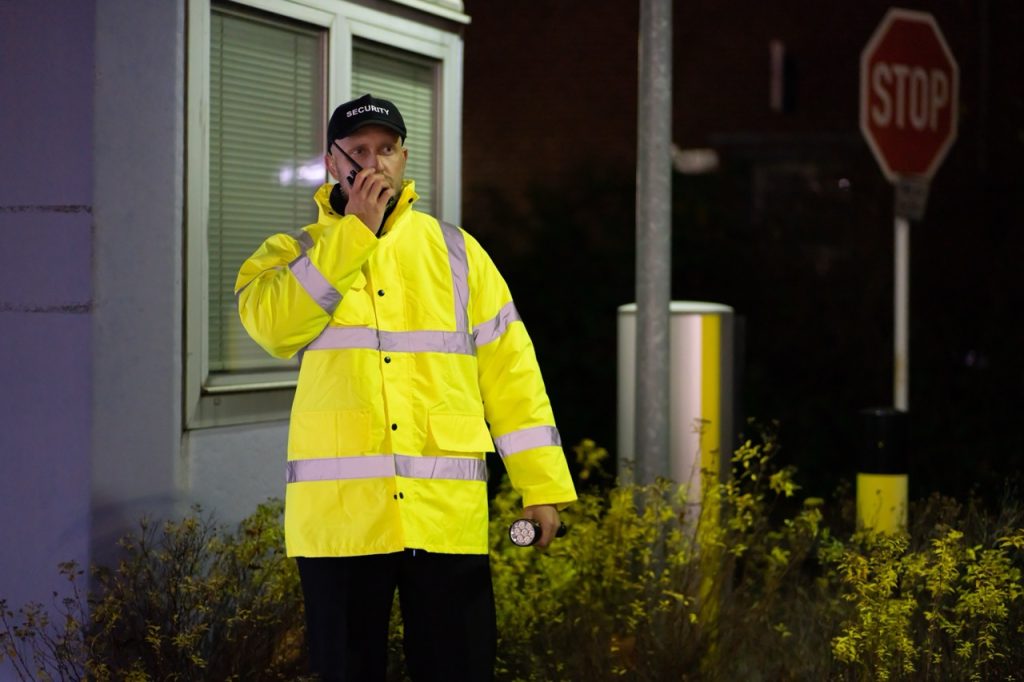
OVERNIGHT PATROLS CONSUME RESOURCES
After passenger activity ends, terminals, service corridors, and public spaces still require routine patrols. Maintaining that coverage places ongoing demands on overnight security personnel.

DOCUMENTATION TAKES TIME
An airport security system relies on accurate documentation. Manual reporting can create gaps that make inspections and compliance reviews more difficult.
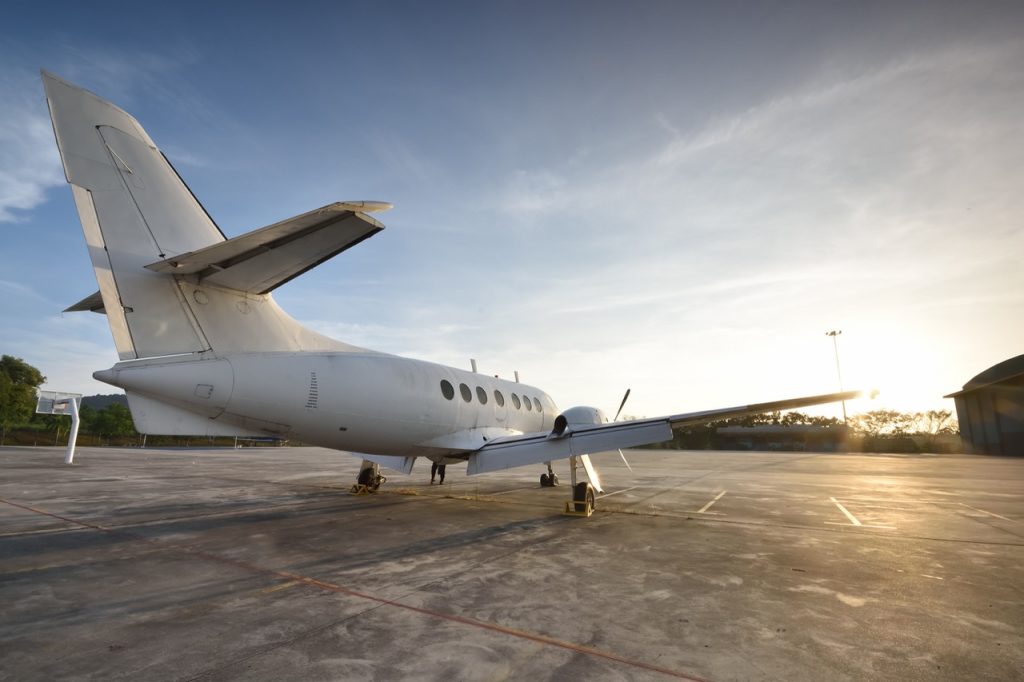
SMALLER AIRPORTS FACE STAFFING LIMITS
General aviation and regional airports often operate with limited security personnel. Providing continuous coverage across the entire property can become difficult as operational demands increase.
WHAT SECURITY LEADERS NEED TO PROVE
ACCOUNTABILITY RUNS IN EVERY DIRECTION
At larger airports, the Airport Security Coordinator oversees TSA compliance and inspection documentation. The Security Director manages daily security operations, while the COO approves budgets and major security investments. At smaller airports, those responsibilities often fall to the same leader. Regardless of the structure, every decision must strengthen airport perimeter security while balancing compliance, staffing, and operational efficiency.
AT SMALLER AIRPORTS: Operations Director who owns the labor budget and operational efficiency metrics and TSA compliance documentation, and airfield security. Perhaps at larger airports, it can be split into two: airport security director and TSA compliance is the security coordinator’s accountability. COO owns the budget and final approval of security measures. The security director owns security execution.
Airport Security Program Records
Perimeter Patrol Documentation
Restricted Area Monitoring
Incident Documentation
Security Program Performance
Risk Management Records
FROM ALARM TO INCIDENT REPORT

ALARM
Activity is detected at the perimeter fence, a restricted area, or another monitored zone requiring further review.

VERIFICATION
The RSOC operators review video and sensor data from the airport security system to determine whether the activity requires additional investigation.

OPERATOR DECISION
The operator or airport security supervisor determines whether to dispatch security personnel or continue monitoring the event.
RESPONSE
Airport security personnel respond according to established procedures. External agencies are notified only when required by the incident.

DOCUMENTATION
The incident record includes video, timestamps, operator actions, and response details to support reporting and post-incident review.
ROBOTICS FIT FOR THE ENVIRONMENT
BUILT FOR SECURITY IN HIGHLY RESTRICTED ZONES
Asylon automated patrols strengthen airport security and TSA compliance.
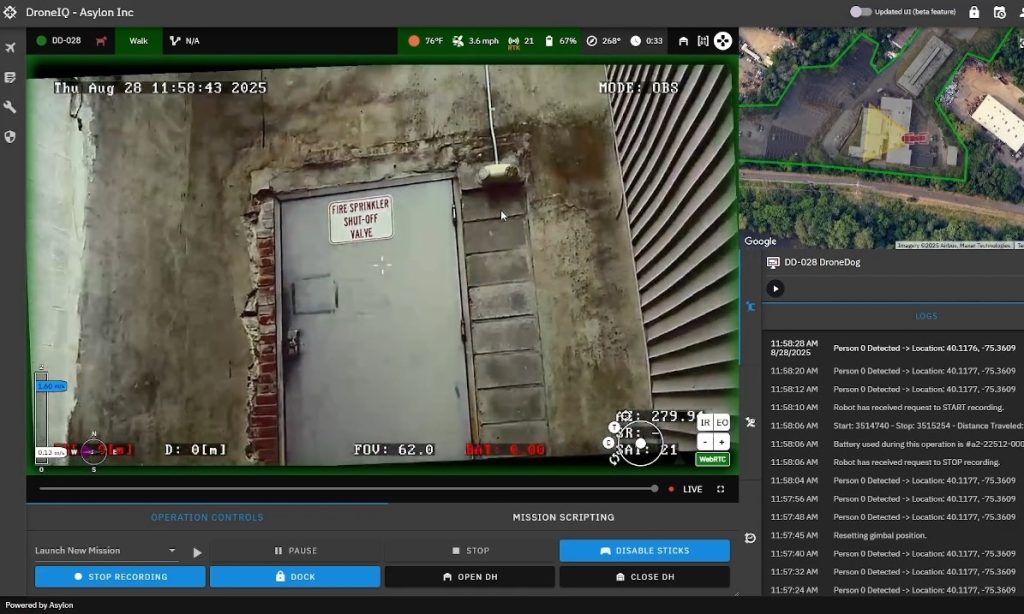
DroneIQ
Reporting & Documentation
- Tracks patrol and inspection history
- Creates audit-ready incident records
- Documents alarm-to-response timelines
- Integrates with airport perimeter security systems
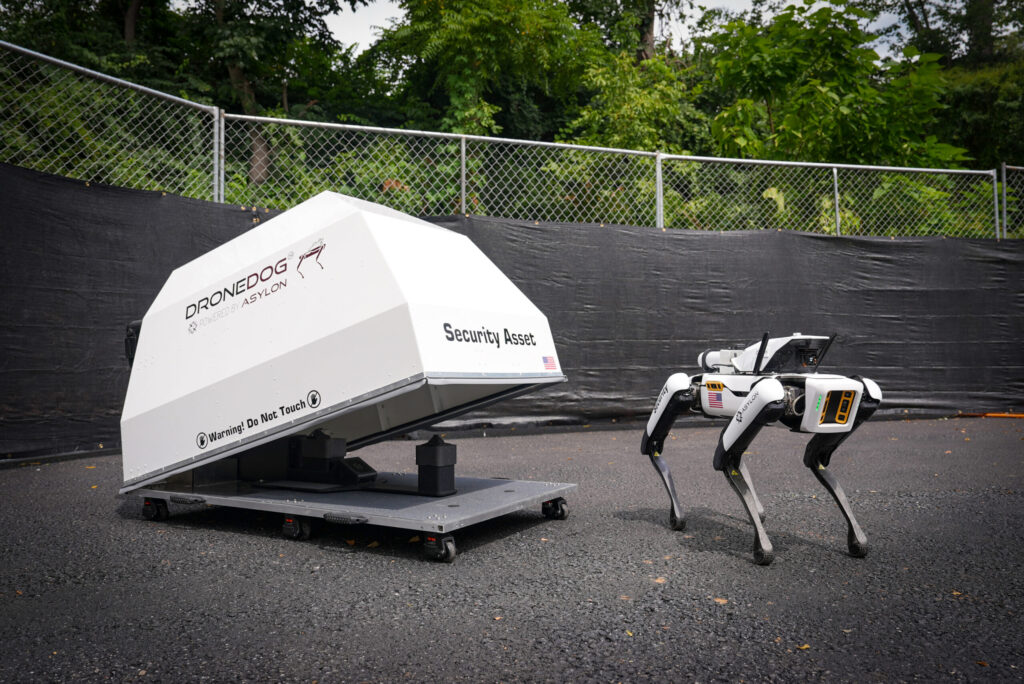
DroneDog™
Automated Surveillance Redefined
- Supports airport perimeter security
- Patrols perimeter fence lines
- Inspects fuel farms and hangars
- Covers GA ramps after hours
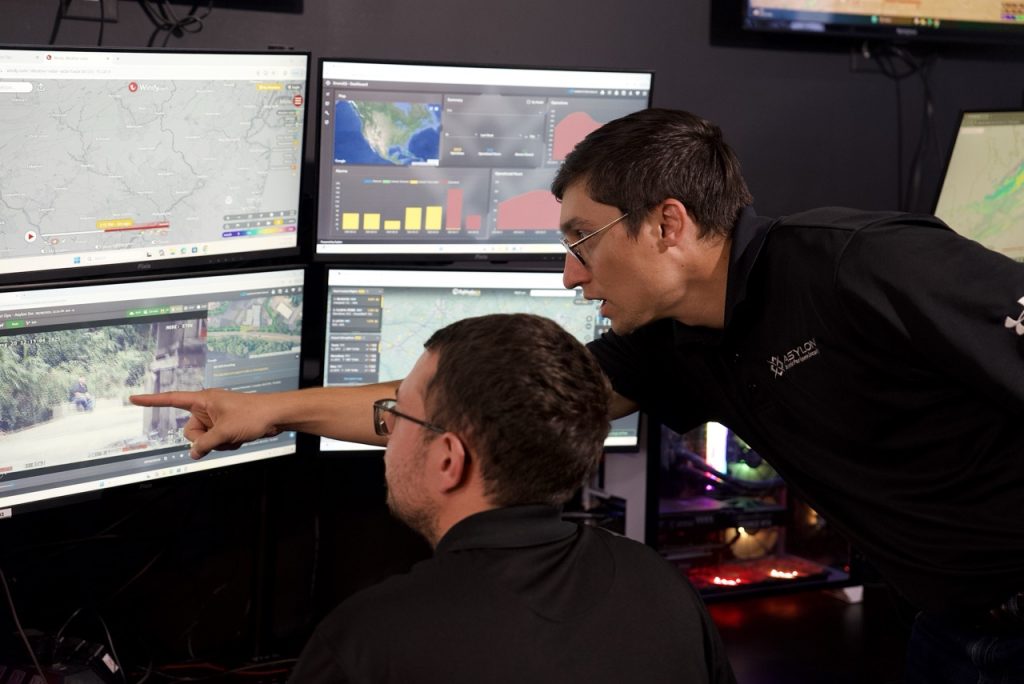
24/7 RSOC
Always-On Security Monitoring
- Human verification of every alarm
- Extends existing security teams
- Works with your airport security system
- Monitors multiple airport facilities
FAQs
Both large and small airports present unique security challenges. Here are answers to a few common questions from Airport Security Directors.
Can DroneDog patrol inside the terminal after the last departure?
Yes. DroneDog can patrol concourses and service corridors after hours, allowing officers to focus on access control and incident response.
Does the system support TSA audit documentation?
DroneIQ records patrol routes, timestamps, and alarm activity to support inspection records and audit documentation.
How does DroneDog support patrols between officer inspections?
Scheduled patrols continue between officer rounds, creating a documented record of activity throughout the inspection interval.
Can DroneDog operate near fuel farms and maintenance hangars?
Yes. Patrol routes can be configured for fuel storage areas, maintenance facilities, and other approved outdoor operating zones.
How does the system help smaller or GA airports?
DroneDog provides consistent patrol coverage where overnight staffing is limited, with RSOC operators providing continuous human oversight.
Can Asylon work with existing airport security systems?
Yes. DroneIQ integrates with many existing airport security systems, providing centralized reporting and incident documentation.
Does DroneDog respond to airport perimeter security breaches?
No. DroneDog documents activity and provides situational awareness. Security personnel determine how to respond to breaches.
Connect With the Asylon Team
No two airport security systems operate the same way. Compliance requirements, staffing levels, and coverage gaps all differ. Tell us about your setup, and we'll show you how robotics can strengthen it.