Timestamped patrol records and incident logs support NERC CIP physical security requirements and compliance reviews.
UTILITY SECURITY REALITY
WE UNDERSTAND
YOUR SITES
Energy infrastructure security requires an understanding of how different facilities operate and the physical risks each one presents.
Common Challenges:
- Remote substations with limited staffing
- Generation campuses with multiple perimeters
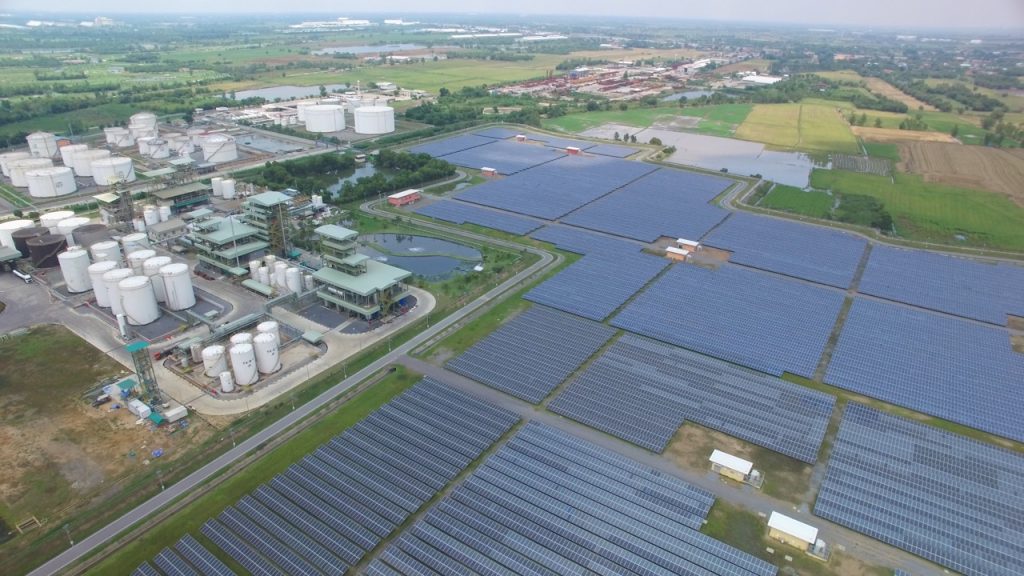
- Solar farms with expansive fence lines
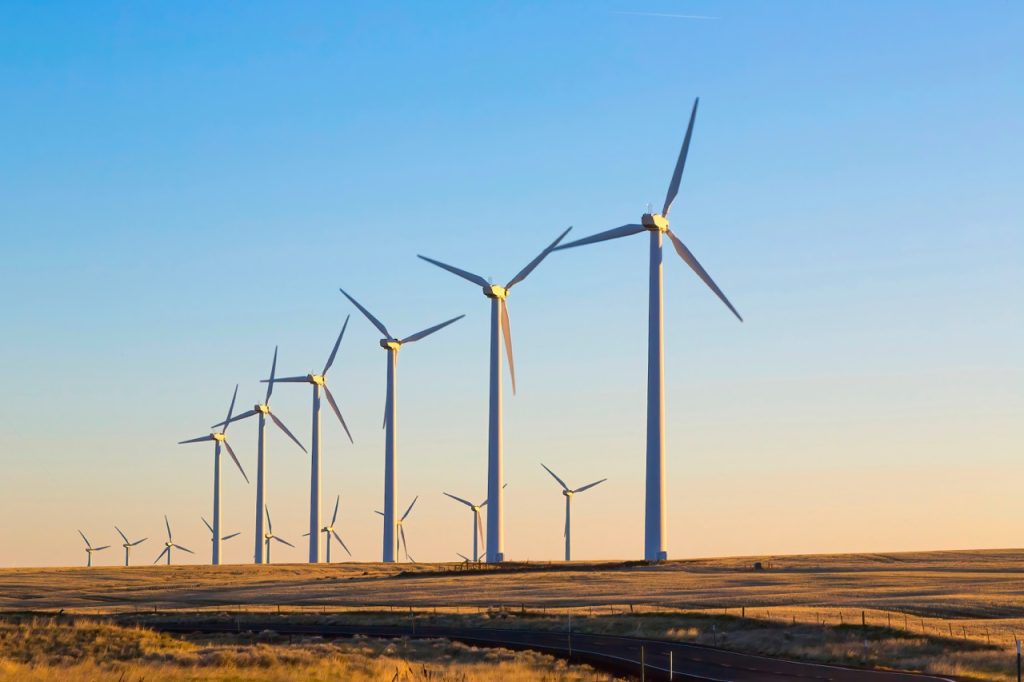
- Wind farms with isolated access roads
- Transmission corridors spanning miles
WHAT MAKES ENERGY & UTILITIES PERIMETER SECURITY DIFFERENT
Reliable electric service depends on infrastructure that must remain secure across every stage of power generation, transmission, and distribution.
Designed to Operate Unattended
Many substations and remote generation sites are designed to operate without on-site personnel, leaving perimeters without a continuous security presence.
Facilities Spread Across Miles
Substation perimeter security becomes more complex when facilities are scattered throughout service territories, each with its own fence line and access points.
Small Sites, High Stakes
Electric substation security is critical because relatively small facilities can have an outsized impact on grid operations.
Remote Renewable Facilities
Wind farms and utility-scale solar facilities cover large rural sites where expansive perimeters and limited staffing make continuous physical security more difficult.
WHAT ACTUALLY GOES WRONG
THE SECURITY INCIDENTS YOU ARE ALREADY DEALING WITH
Some common events:
OPERATIONAL CONSTRAINTS
WHY TRADITIONAL SECURITY STRUGGLES HERE
Distributed energy infrastructure creates operational challenges that push traditional security measures beyond their practical limits.
FIXED CAMERA COVERAGE
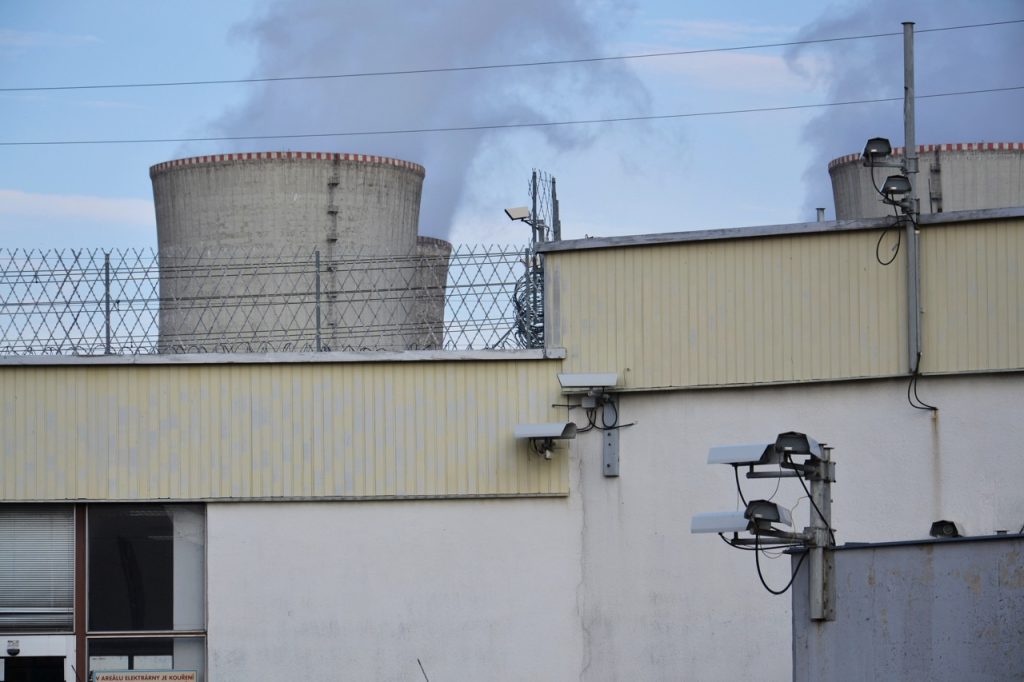
A substation security system built around fixed cameras can only monitor the areas within each camera’s field of view, leaving activity between coverage zones unseen.
SCHEDULED GUARD PATROLS
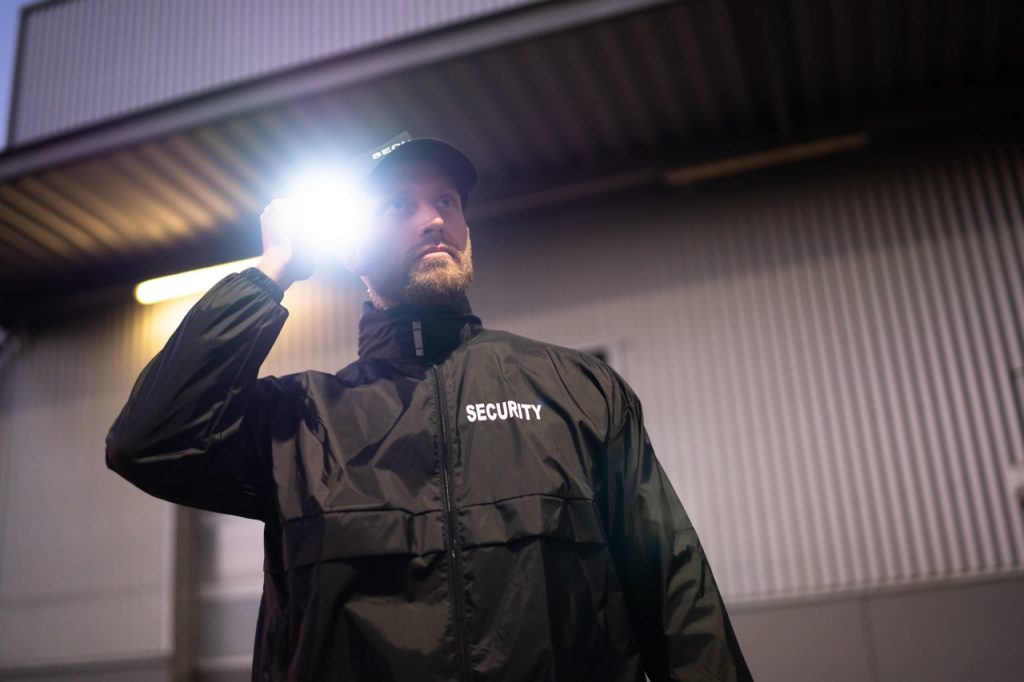
Utility substations security guard services follow scheduled routes, leaving extended gaps between patrols at individual facilities.

DELAYED ALARM VERIFICATION
Alarm notifications often arrive immediately, but verifying what triggered them can take much longer when the nearest personnel must travel to the site.
EXPANSIVE SITE FOOTPRINTS
Wind farms and utility-scale solar installations often span hundreds of acres, making continuous energy security surveillance difficult with fixed cameras alone.

COMPLIANCE DOCUMENTATION
Camera logs and guard reports document individual events, but they don’t always show what occurred between scheduled patrols.
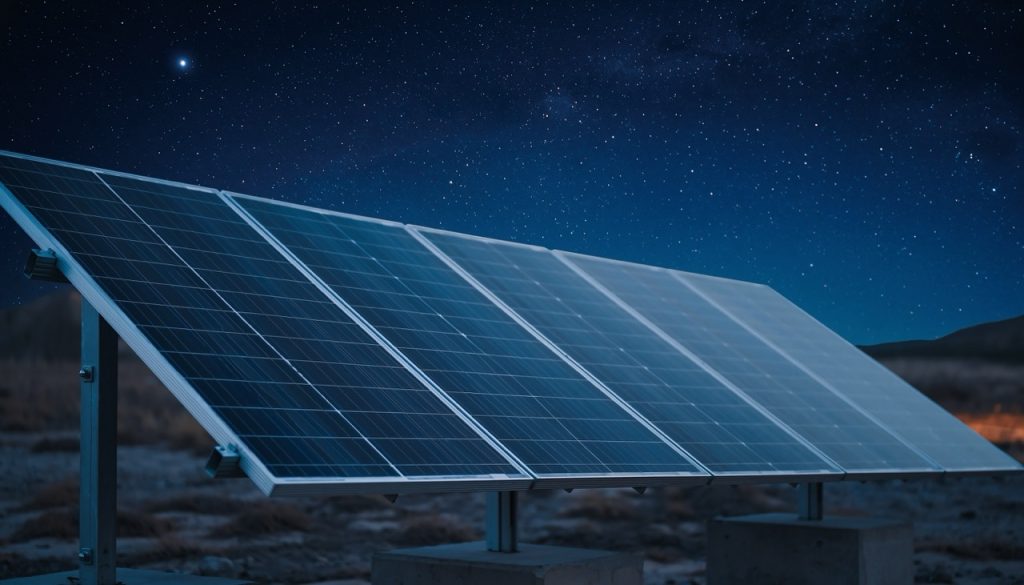
OVERNIGHT EXPOSURE
Many renewable energy facilities remain unattended overnight, creating extended periods when perimeter activity may go unnoticed until the next scheduled visit.
WHAT SECURITY LEADERS NEED TO PROVE
ACCOUNTABILITY RUNS IN EVERY DIRECTION
Protecting energy infrastructure is only part of the job. Meeting NERC CIP physical security requirements requires coordination from executive leadership through day-to-day site operations. Vice presidents establish security strategy, regional managers oversee implementation, site supervisors manage daily operations, and security officers document field activity.
NERC CIP-006 Evidence
CIP-014 Protection Records
Security Event Reporting
Insurer Documentation
FERC Compliance Reviews
Executive Security Reports
FROM ALARM TO INCIDENT REPORT

ALARM
A substation security solution begins the response process when a perimeter alarm detects suspicious activity.

VERIFICATION
Operators review available camera feeds and alarm data to determine whether the event requires further investigation.

OPERATOR DECISION
After verification, the operator determines the appropriate response based on established power utility security procedures.
RESPONSE
Authorized personnel respond to the incident, assess the situation, and take the appropriate security actions.
ROBOTICS FIT FOR THE ENVIRONMENT
BUILT FOR SECURITY IN HIGHLY RESTRICTED ZONES
Asylon's automated platforms are built for the realities of remote energy facilities and distributed infrastructure.
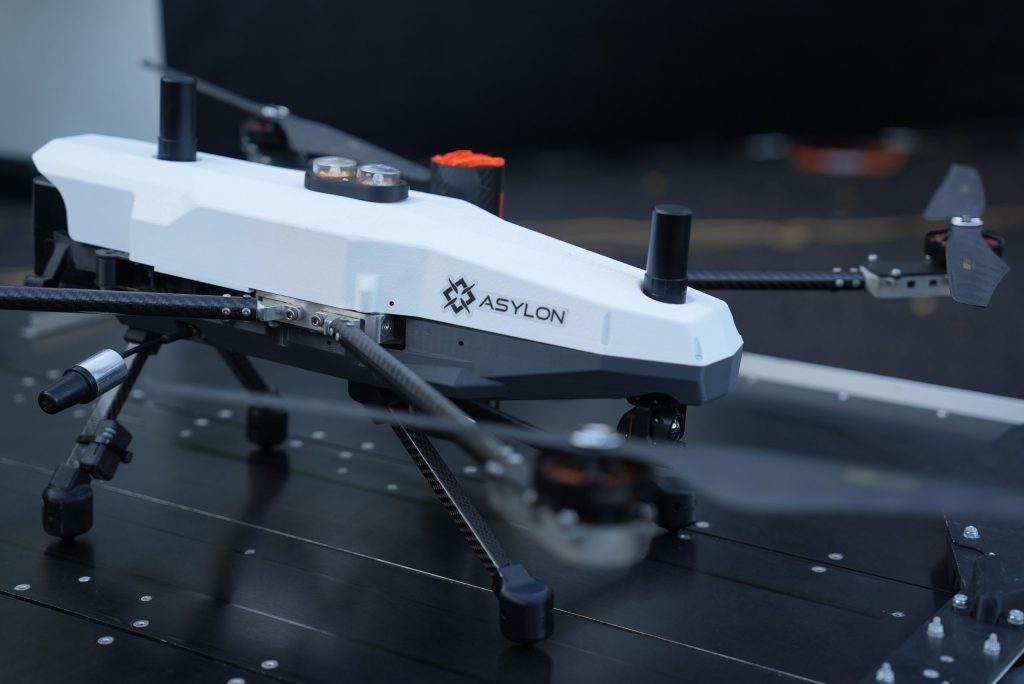
GUARDIAN
Advanced Threat Detection
- Verifies alarms at unmanned substations
- Covers expansive substation perimeter security
- Responds before field personnel arrive
- Supports electric substation security
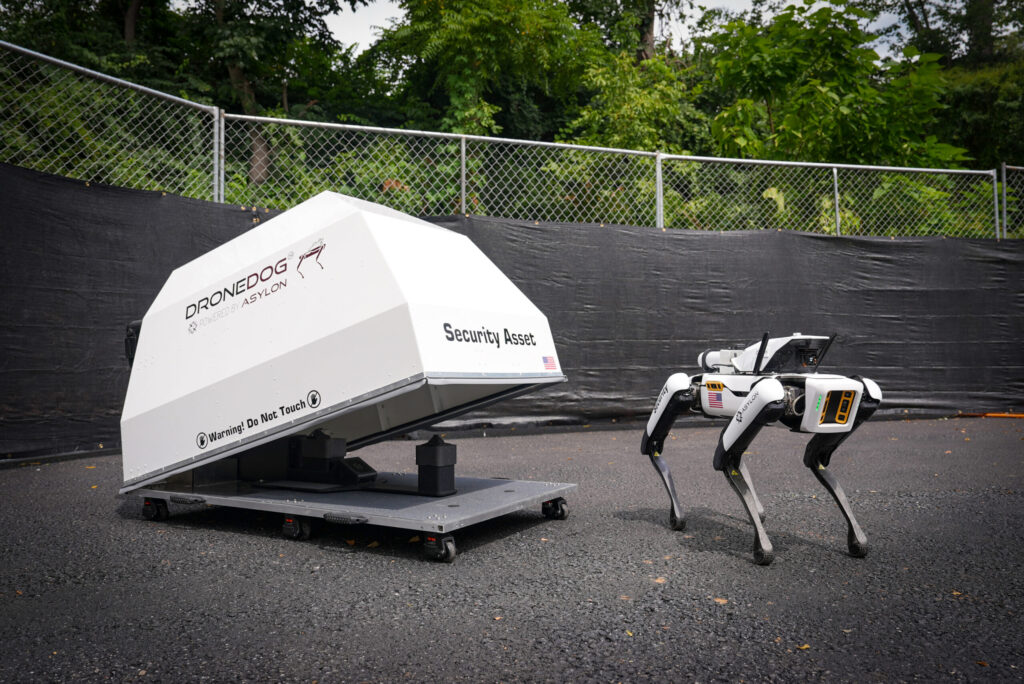
DroneDog™
Automated Surveillance Redefined
- Documents scheduled perimeter patrols
- Inspects fences, gates, and equipment yards
- Strengthens NERC CIP physical security
- Patrols overnight at unattended facilities
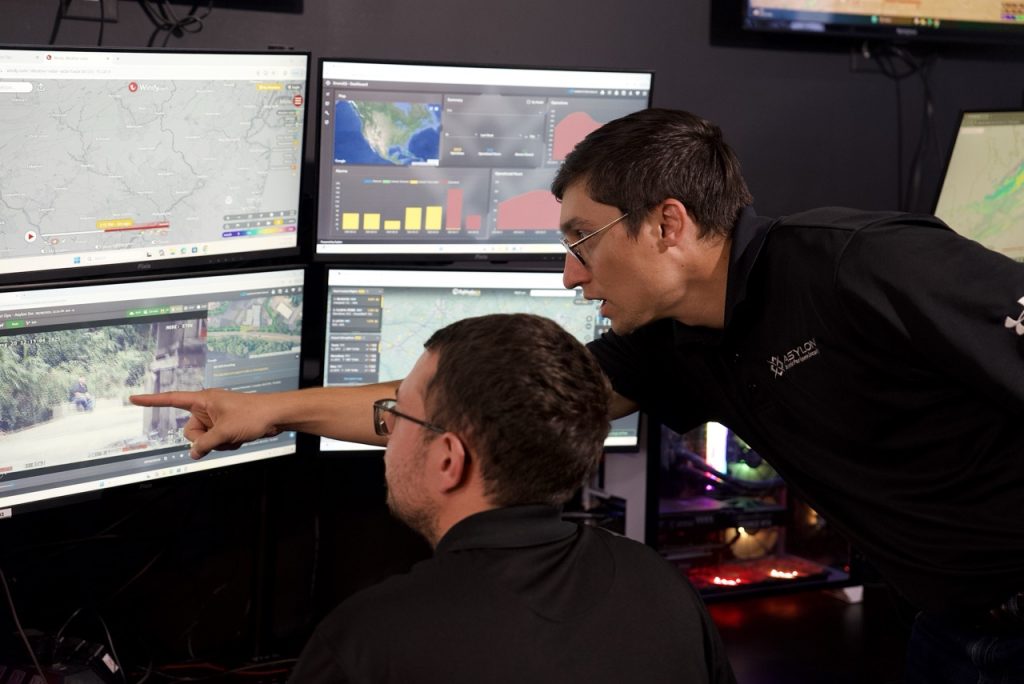
24/7 RSOC
Always-On Security Monitoring
- Centralized oversight across service territories
- Creates one complete audit trail
- Supports energy sector security systems
- Documents every verified incident
FAQs
Whether you’re protecting one substation or an entire service territory, these are the questions we hear most often.
How does automated patrol support substation security best practices?
It provides documented patrols between guard visits while verifying alarms before personnel are dispatched.
How does the system work at unmanned substations?
DroneDog patrols scheduled routes while Guardian verifies alarms without requiring on-site personnel.
Can one platform manage multiple substations?
DroneIQ manages patrols, alarms, and incident records across multiple substations from one platform.
Can it protect solar farms and wind sites too?
Yes. The platform adapts to the perimeter size and operating conditions of each facility.
Will it work with our existing SCADA and alarm systems?
DroneIQ integrates with existing alarm and access control systems while fitting established security workflows.
What documentation is available after an incident?
Every incident includes footage, patrol records, and a documented timeline to support reporting and compliance.
Do robotic patrols replace security guards?
No. Robotic patrols extend security coverage while guards remain responsible for physical response.
Connect With the Asylon Team
Tell us about your facilities and the security challenges you're working to solve. We'll show how our energy security solutions support stronger power utility security.