It often compares favorably to the fully loaded cost of additional security staff, including hiring, training, benefits, and turnover.
PRIVATE ESTATE SECURITY REALITY
BEYOND THE
MAIN HOUSE
Large estates face security challenges involving expansive grounds, constant comings and goings, and the privacy residents expect.
- Expansive Multi-Acre Properties
- Multiple Structures & Entry Points
- Daily Staff & Vendor Activity
- Frequent Events & Guest Access
- Privacy Without Isolation
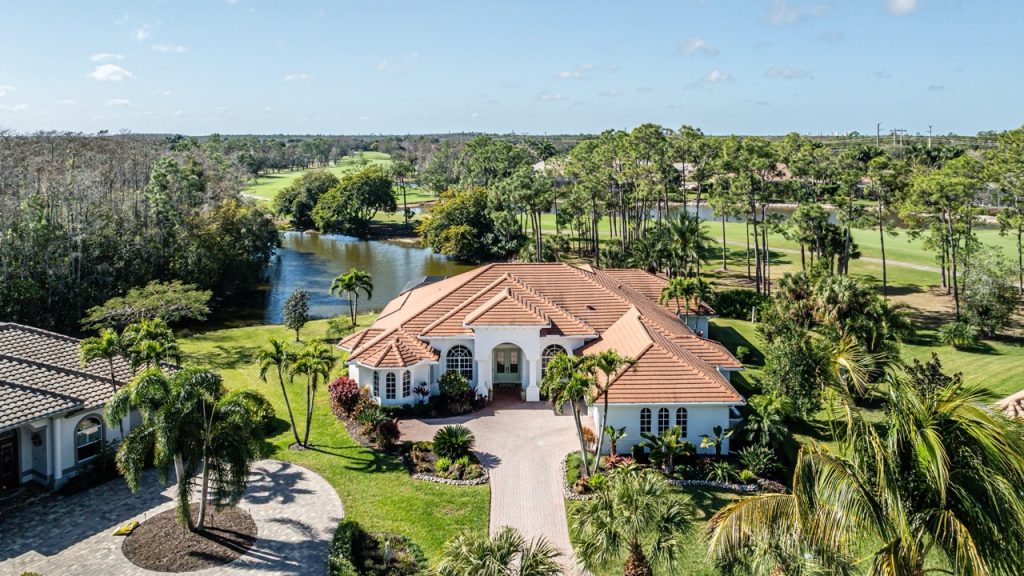
WHAT MAKES PRIVATE ESTATE PERIMETER SECURITY DIFFERENT
Protecting a large estate perimeter means accounting for multiple structures, layered access, changing activity, and natural screening across the property.
Expansive Grounds, Limited Coverage
Large private estates can span dozens or even hundreds of acres. Maintaining consistent awareness across the entire property is a challenge at that scale.
Multiple Structures, Separate Risks
Main residences, guest houses, staff quarters, garages, and recreational buildings each create separate access patterns, occupancy schedules, and periods of vulnerability across the property.
Natural Screening & Blind Spots
Trees, landscaping, decorative fencing, and varied terrain help preserve privacy and the estate’s character but also create areas with limited visibility.
Privacy Versus Visible Security
Estate owners expect effective protection without making their home feel like a guarded compound. Security measures must respect both privacy and the property’s design.
WHAT ACTUALLY GOES WRONG
THE SECURITY INCIDENTS YOU ARE ALREADY DEALING WITH
Some common events:
OPERATIONAL CONSTRAINTS
WHY TRADITIONAL SECURITY STRUGGLES HERE
Traditional estate security systems remain essential, but large properties introduce practical limits to coverage, staffing, and discretion.
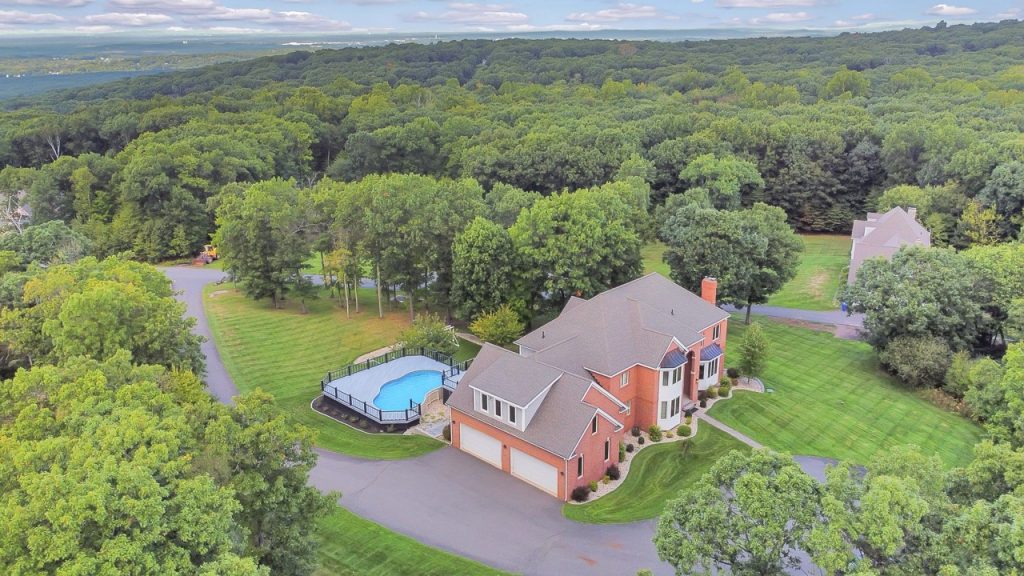
STAFFING LARGE ESTATE PERIMETERS
Covering a multi-acre estate with routine patrols requires significant staffing. Larger security teams can also increase the number of people familiar with household routines and daily operations.
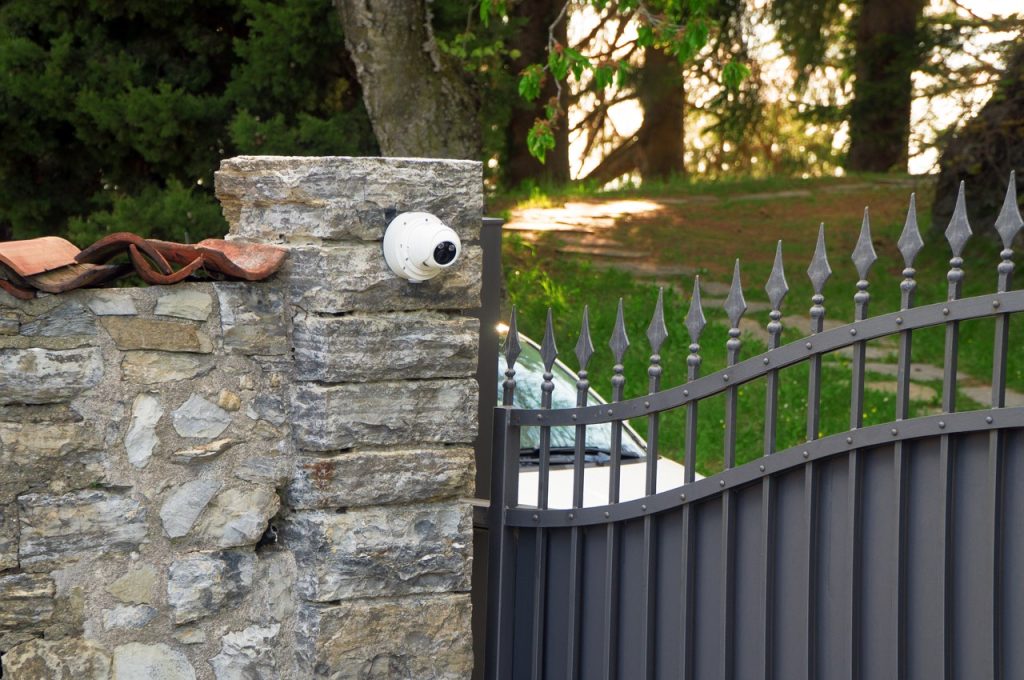
FIXED COVERAGE, CHANGING VISIBILITY
Providing broad camera coverage across expansive grounds often requires numerous installations. Landscaping, terrain, and estate design can also limit fixed sightlines.

INSTITUTIONAL KNOWLEDGE & TURNOVER
Security personnel naturally become familiar with family schedules, staff routines, and property operations. That knowledge changes hands as assignments and personnel change.
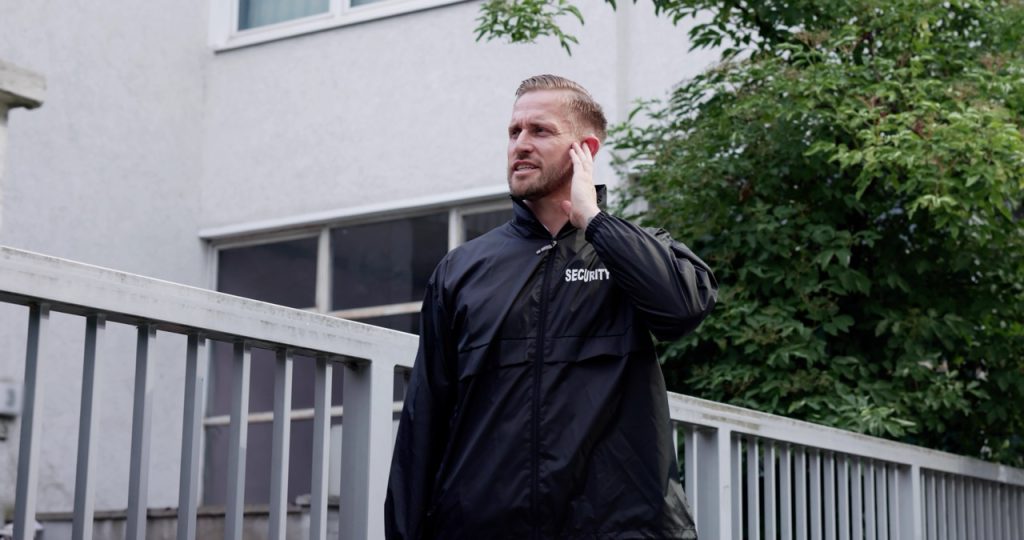
DISTANCE AFFECTS RESPONSE
A perimeter alarm still requires someone to determine what caused it. On large or remote properties, verifying activity may take time, particularly when staff are off site.

CONSISTENCY ACROSS ESTATE PORTFOLIOS
Family offices overseeing multiple properties often work with different security providers, staffing models, and operating practices across each residence.

CHANGING ACTIVITY DURING SPECIAL EVENTS
Private events, contractors, and seasonal activity can temporarily change access patterns and movement across the estate, requiring security operations to adapt without disrupting the property.
WHAT SECURITY LEADERS NEED TO PROVE
ACCOUNTABILITY RUNS IN EVERY DIRECTION
Estate security leaders coordinate with family office management, security personnel, legal counsel, risk and insurance advisors, facilities teams, and trusted family representatives. Their responsibility is to provide consistent protection, preserve privacy, support informed decisions, and maintain the principal’s confidence that the estate is being properly safeguarded.
Consistent Perimeter Coverage
Limited Knowledge Exposure
Coverage Through Staff Changes
Documented Security Activity
Risk & Insurance Records
Event & Special Operations Logs
FROM ALARM TO INCIDENT REPORT

ALARM
Perimeter activity, an unexpected access event, or movement near a secondary structure is detected. Available security systems are used to help distinguish routine activity from an event requiring further attention.

VERIFICATION
The event is evaluated using available information and, when appropriate, by personnel confirming activity at the gate, perimeter, outbuilding, or other affected area before any escalation.

DECISION
The event is assessed to determine whether additional action is needed, following the estate's established security protocols and the principal's preferences.

RESPONSE
If action is warranted, the appropriate response is carried out according to the estate's established procedures, with discretion guiding every step.

DOCUMENTATION
A confidential record documents the event, the assessment, and any actions taken, with access and retention managed according to estate policy.
ROBOTICS FIT FOR THE ENVIRONMENT
BUILT FOR SECURITY IN HIGHLY RESTRICTED ZONES
Asylon protects large private estates without disrupting them.

GUARDIAN
Advanced Threat Detection
- Large-Acreage Aerial Patrol
- Remote Perimeter Verification
- Boundary & Tree Line Assessment
- Ranches & Vineyard Coverage
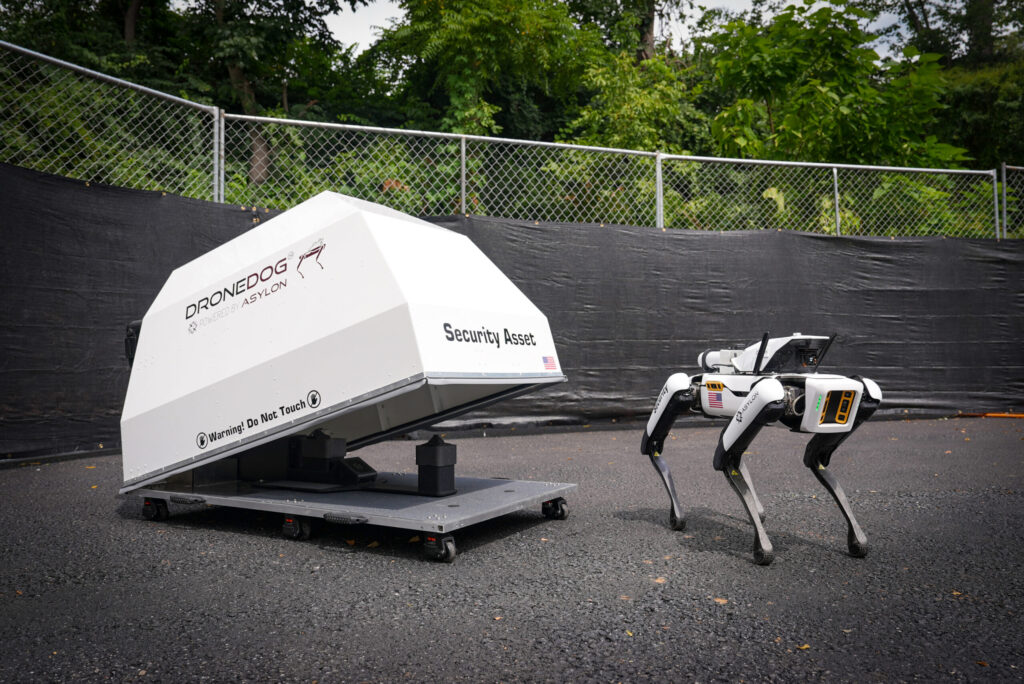
DroneDog™
Automated Surveillance Redefined
- Estate Grounds Patrol Routes
- Perimeter Alarm Response
- Discreet Grounds Patrol
- Event-Day Patrol Coverage
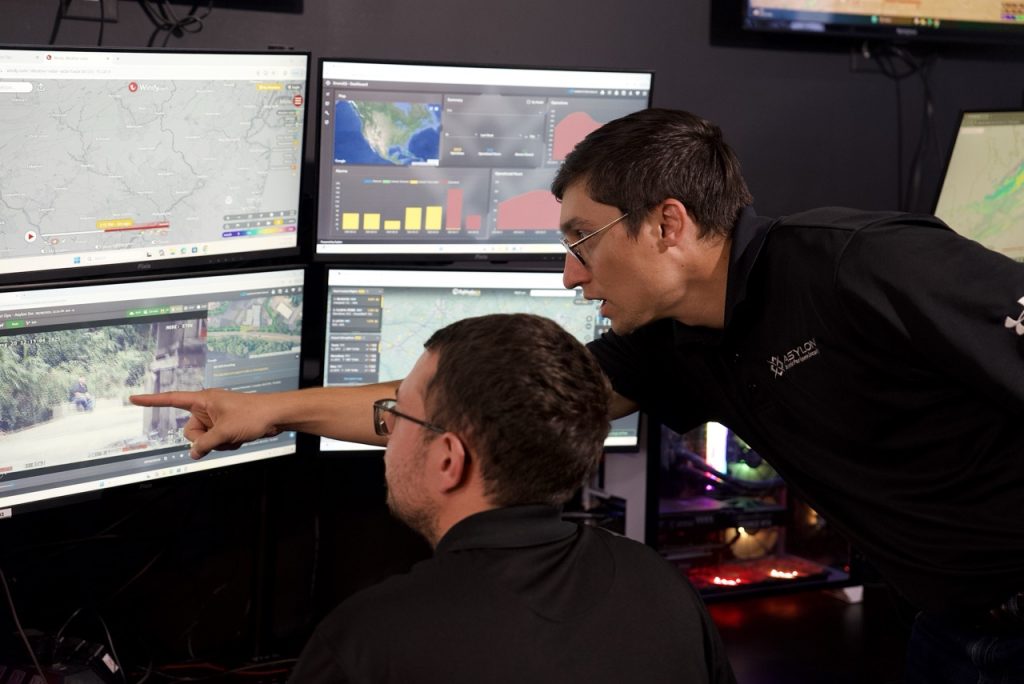
24/7 RSOC
Always-On Security Monitoring
- 24/7 Discreet Human Oversight
- Multi-Estate Security Oversight
- Confidential Event Records
- Unified Robotics Coordination
FAQs
Large private estates present unique security considerations. Here are answers to common questions from estate managers and family office security leaders.
Will robots replace our existing security staff?
No. They extend coverage while your security team focuses on family interaction, access decisions, and physical response.
Will the technology be visible or disruptive to the property?
DroneDog patrols quietly and discreetly, preserving the property’s privacy, appearance, and residential character.
How is family privacy protected?
Access to footage is tightly controlled, with records retained and destroyed according to established privacy policies and the principal’s requirements.
Can the system be configured for private events?
Yes. Patrol routes can be adjusted for events, vendor access, guest arrivals, and temporary parking areas.
Do robotics work for ranches and agricultural estates?
Yes. DroneDog and Guardian cover working land, equestrian facilities, and agricultural areas beyond the main residence.
Can one system manage multiple properties?
Yes. DroneIQ provides consistent oversight and documentation across multiple estates from a single platform.
How quickly can this system be deployed?
Most private estate deployments are operational within approximately 90 days of contract execution.
Connect With the Asylon Team
Every private estate has unique priorities for privacy, protection, and daily operations. Contact Asylon to discuss a security approach tailored to your property, your family, and the way your estate is managed.