Robotics extend coverage while existing teams continue handling response.
INSIDE THE DISTRIBUTION CENTER
YOU NEED SECURITY
AT SCALE
Managing physical security in distribution centers is tough. Large facilities are difficult to monitor at scale.
Common Challenges:
- Continuous Trailer Movement
- Multi-Gate Access Control
- Cross-Docking Exposure
- Overnight Coverage Gaps
- Multi-Site Security Management
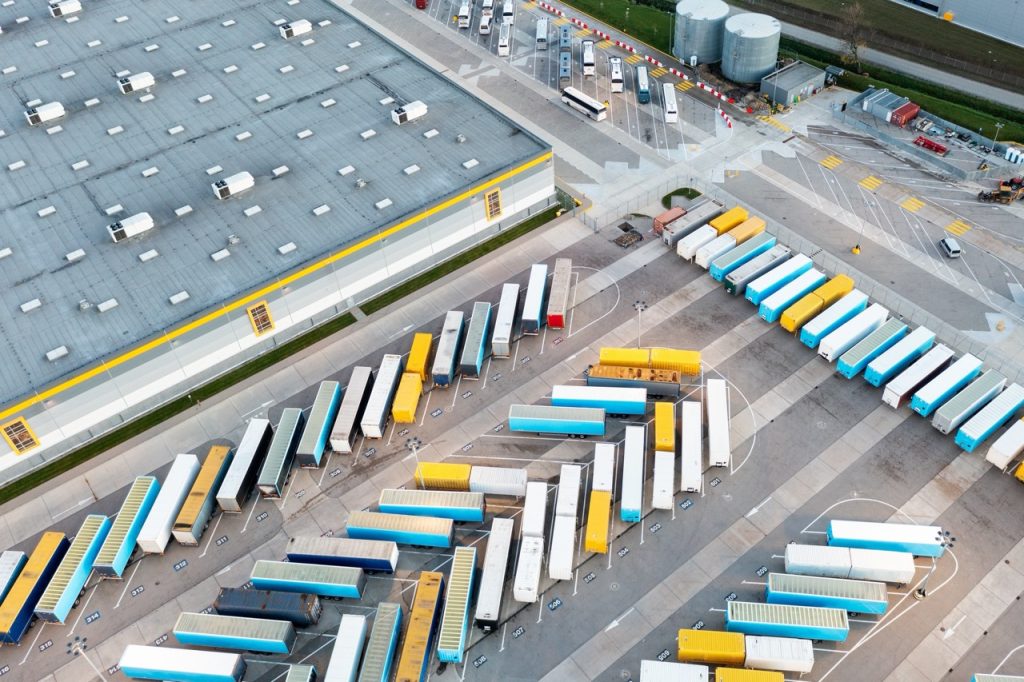
WHAT MAKES DISTRIBUTION CENTER PERIMETER SECURITY DIFFERENT
Perimeter security in a distribution center is shaped by conditions that don't always fit neatly into a standard security checklist.
MASSIVE FACILITY FOOTPRINT
Security risk in large distribution centers spans the entire facility. Exposure is spread across the property rather than concentrated in one location.
DOCK DOOR ACTIVITY
A large facility may have dozens of dock doors in active use at any given time. Each one creates another point that requires attention.
CONTINUOUS VEHICLE FLOW
Vehicles cycle through access points all day. Unauthorized traffic isn’t always easy to spot.
CHANGING YARD CONDITIONS
Trailer locations, freight staging, and yard layouts change frequently, affecting visibility across the property.
WHAT ACTUALLY GOES WRONG
THE SECURITY INCIDENTS YOU'RE ALREADY DEALING WITH
Common Security Gaps:
OPERATIONAL CONSTRAINTS
WHY TRADITIONAL SECURITY STRUGGLES HERE
Traditional security struggles as distribution centers scale. Changing yard geometry creates gaps that fixed cameras miss, and predictable patrols can leave areas vulnerable at regular intervals.
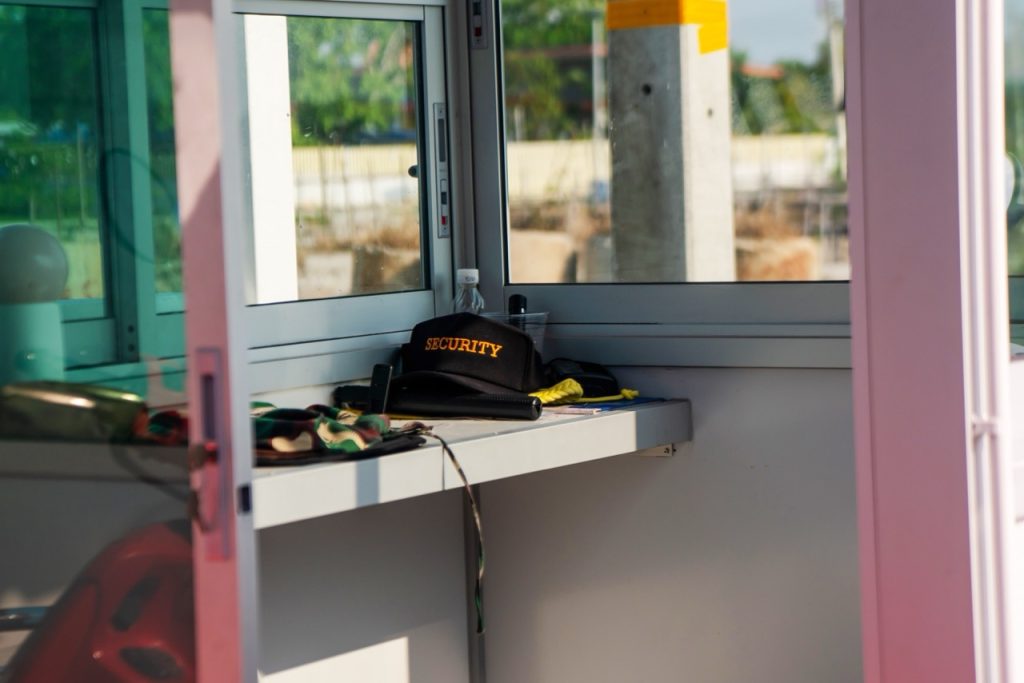
GUARD ROTATIONS DON'T SCALE
A large distribution center typically has too many gates, dock doors, and open ground for any security guard rotation to cover fully, leaving some areas unwatched.
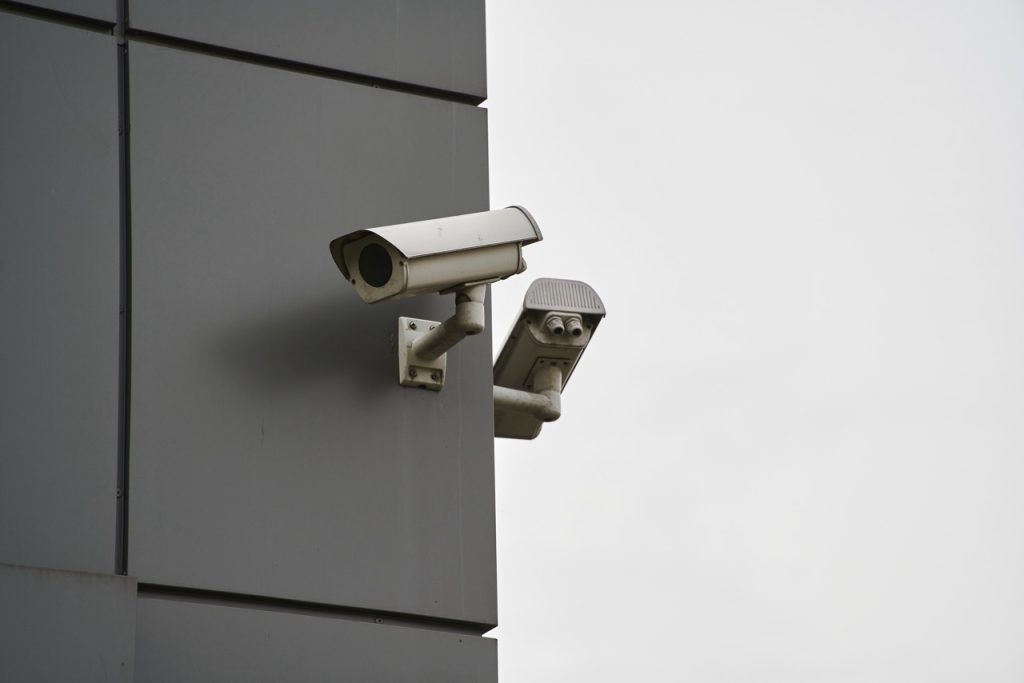
FIXED CAMERAS MISS MOVING BLIND SPOTS
Trailers, freight, and dock canopies shift throughout the day, creating blind spots that fixed cameras can’t follow.
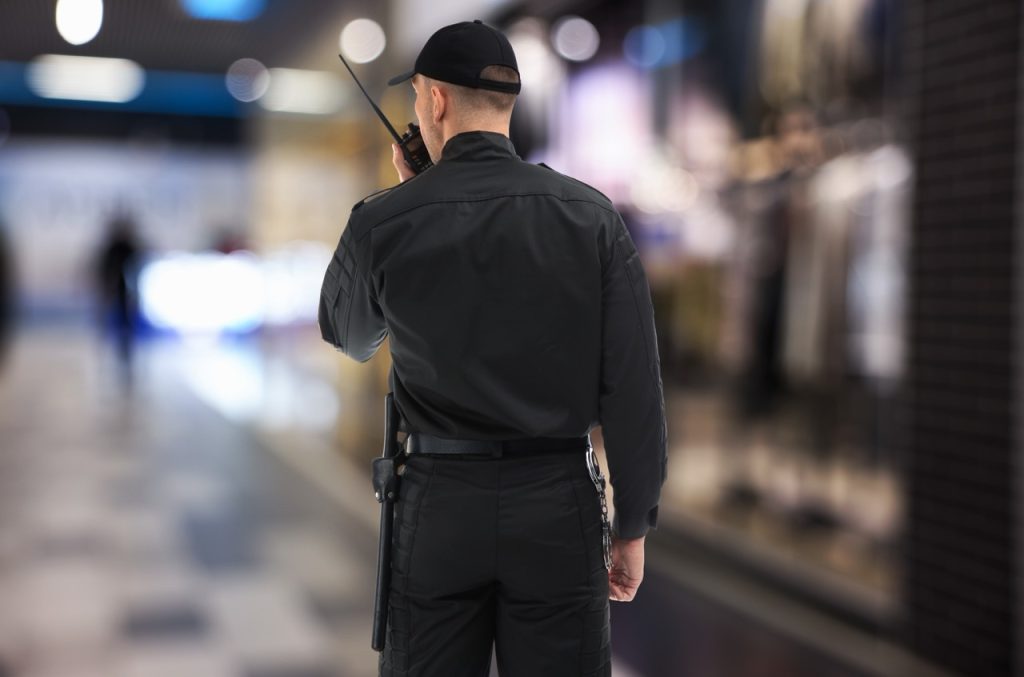
PATROLS BECOME PREDICTABLE
Guard routes become known over time. Pattern-based intrusions exploit the gaps between rounds at low-staffing windows and overnight shifts.
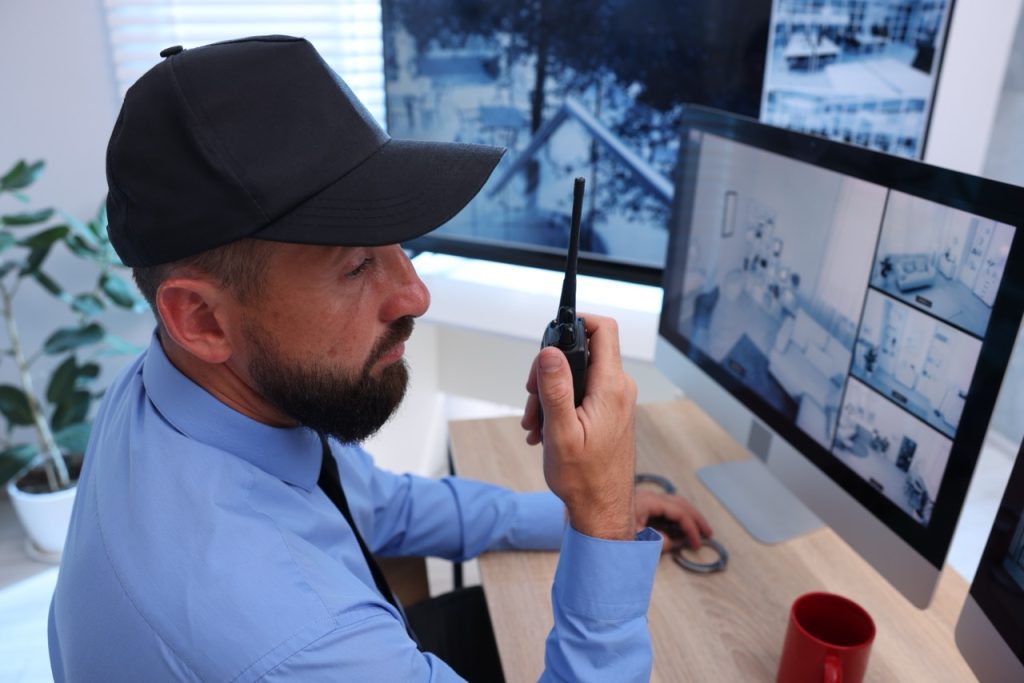
ALARMS CREATE NOISE, NOT INTEL
Routine activity can trigger alerts throughout the day, but every notification isn’t a security concern.

VERIFICATION REQUIRES DISPATCH
Confirming an alarm at a dock edge or dark corner often requires someone to travel to the location. By the time they arrive, there may be little evidence of what triggered the alert.

MANUAL LOGS FALL SHORT
Handwritten patrol records can’t meet distribution center security requirements. The log says coverage happened. There’s no way to prove it.
WHAT DISTRIBUTION CENTER SECURITY LEADERS NEED TO PROVE
ACCOUNTABILITY RUNS IN EVERY DIRECTION
Security at a distribution center responds to more than just threats. Operations leaders, customers, insurers, and corporate security teams each bring their own expectations — and together, those expectations shape what a physical security program must prove, record, and standardize across every location.
Verified Patrol Records
Gate Entry Audit Trail
Incident Response Timeline
Perimeter Breach Documentation
Coverage Verification Records
Insurance Claim Records
FROM ALARM TO INCIDENT REPORT

ALARM
Activity is detected along the distribution center perimeter and flagged for review.

VERIFICATION
Guardian or DroneDog confirms the event and provides immediate visual context.

DECISION
An RSOC analyst reviews the situation and determines the appropriate response.

RESPONSE
The response is documented and timestamped automatically within DroneIQ.

EVIDENCE PACKAGE
Video, timelines, decisions, and outcomes are compiled into a complete record.
ROBOTICS FIT FOR THE ENVIRONMENT
BUILT FOR DISTRIBUTION CENTERS
A distribution center security solution must account for what happens across the entire facility, from distant perimeter edges to activity occurring at dock level.
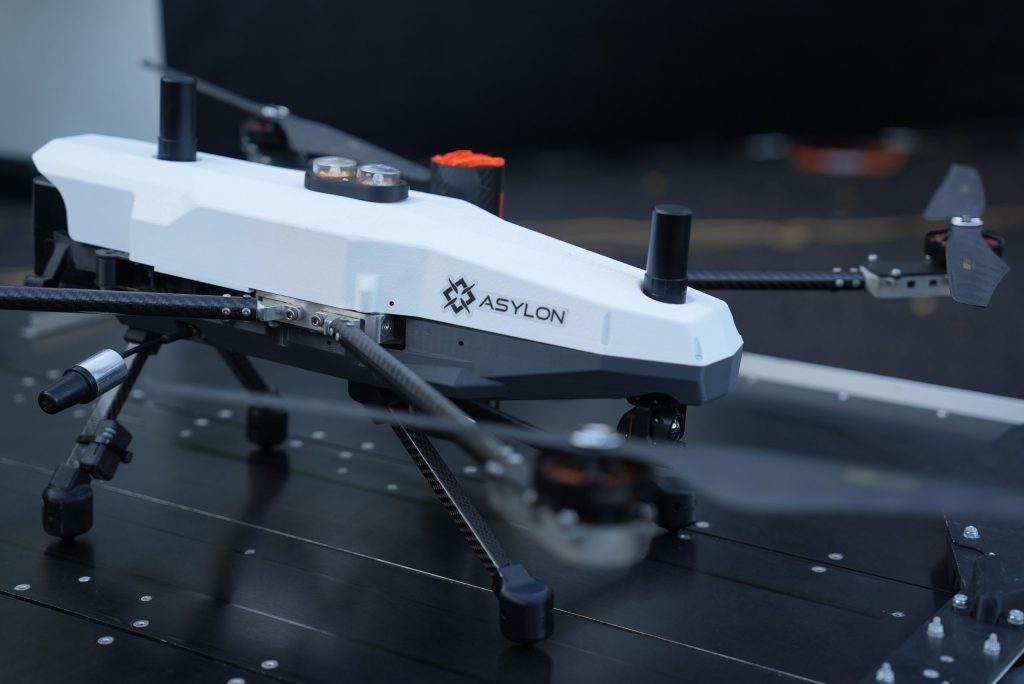
GUARDIAN
Advanced Threat Detection
- Large-footprint verification
- Rapid perimeter response
- Coverage across remote edges
- Real-time aerial visibility
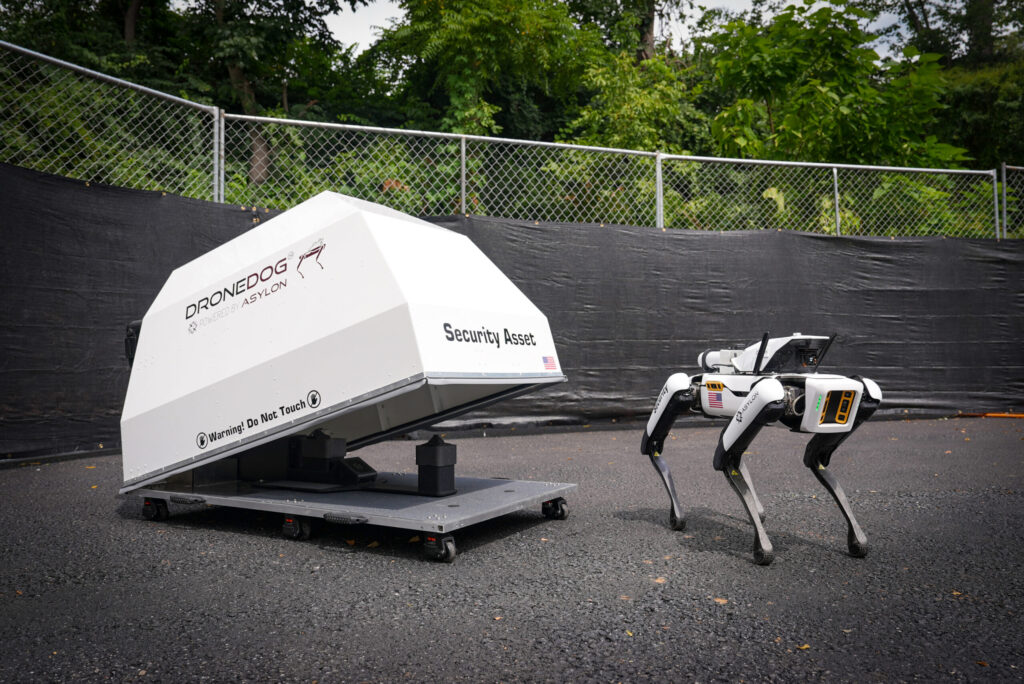
DroneDog™
Automated Surveillance Redefined
- Dock edge inspections
- Trailer row patrol routes
- Ground-level threat checks
- Overnight coverage support
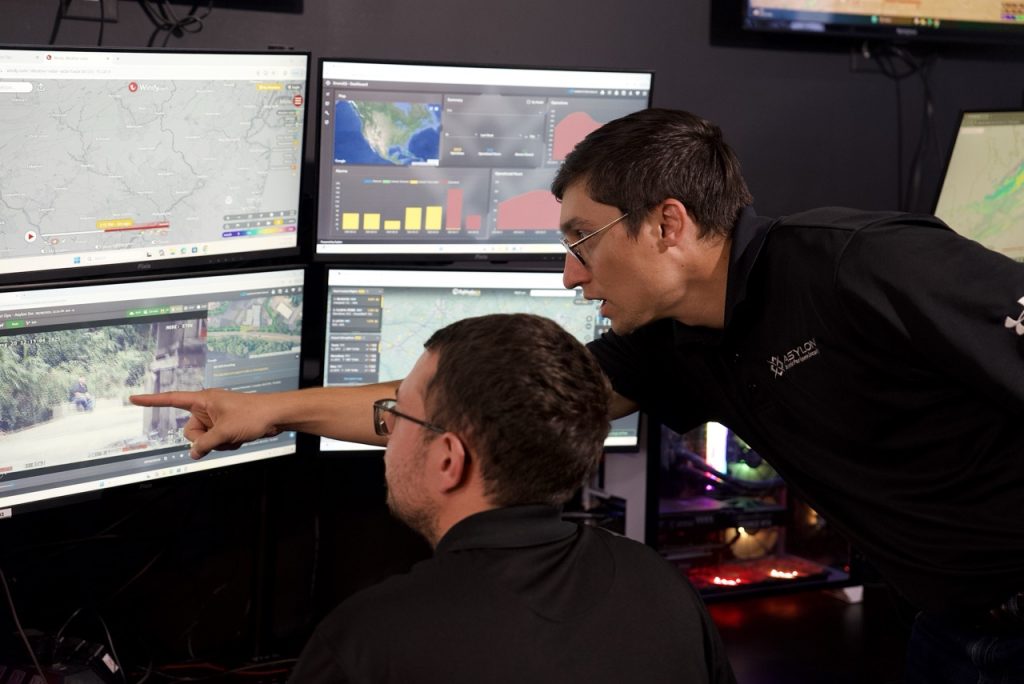
24/7 RSOC
Always-On Security Monitoring
- Unified incident oversight
- Consistent multi-site reporting
- Verified response records
- Centralized audit trail
FAQs
Distribution center security solutions must support more than coverage. Documentation, scalability, and accountability also matter.
What records are generated?
Every shift produces patrol logs, video evidence, and event timelines.
Does Asylon’s robotic patrol integrate with existing security systems?
Yes. We integrate with access control, video, and alarm systems.
How fast is deployment?
Most sites can be operational quickly, with full deployment completed within 60 days.
Can the robotic patrol cover large facilities?
Coverage can scale across large footprints, multiple gates, and dock doors.
What happens after an incident?
Video, patrol records, and event timelines support investigations.
Can DroneDog handle busy facilities?
Yes. It is designed for active distribution environments.
What infrastructure is required?
Existing electrical service is typically all that’s required.
Connect With the Asylon Team
Whether you're managing a single distribution center or a multi-site network, Asylon can help address the security and documentation challenges that come with securing large facilities. Connect with our team to discuss your facility and security goals.