Patrols can run after hours, with on-demand deployment available for alarm verification.
CONSTRUCTION SECURITY REALITY
JOBSITES DON'T
STAND STILL
Commercial construction sites have shifting perimeters, rotating crews, and valuable equipment left exposed as each project phase unfolds.
- Large footprints and shifting perimeters
- Equipment and materials stored in the open
- Rotating crews and subcontractor traffic
- Extended overnight and weekend exposure
- Multiple active jobsites to secure
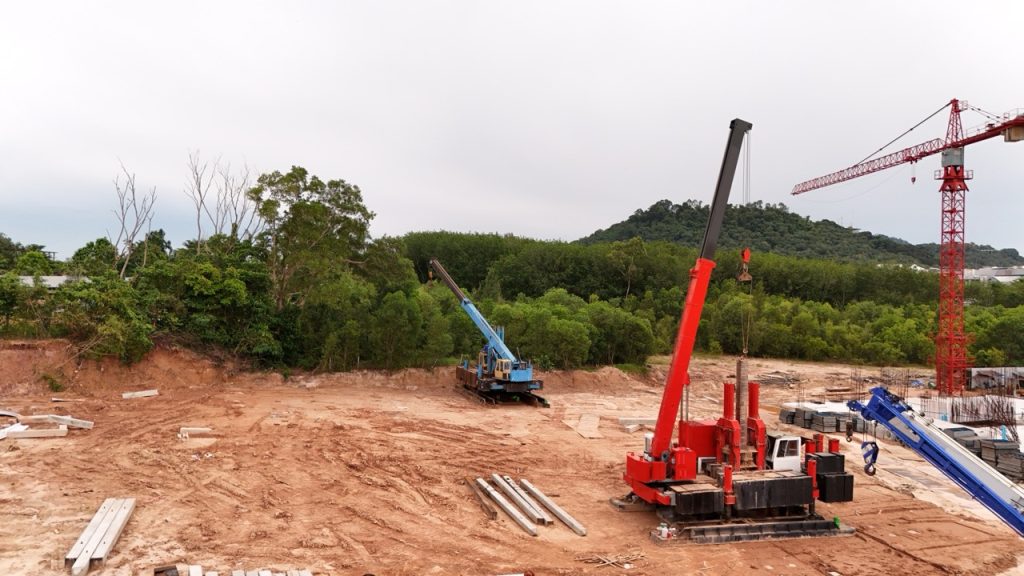
WHAT MAKES CONSTRUCTION PERIMETER SECURITY DIFFERENT
Construction perimeters shift as projects progress, with changing fence lines, gates, and access points creating new areas of exposure.
Perimeters Shift as Projects Evolve
Fence lines, gates, and site boundaries move as construction progresses, continually changing where unauthorized access can occur.
Phase Changes Create Added Exposure
Between project phases, crew density may drop while equipment and materials remain staged, leaving fewer people on-site to notice suspicious activity.
Multiple Gates and Rotating Traffic
Subcontractors, deliveries, operators, and inspectors move through changing access points, while temporary fencing may create unintended gaps.
Long Hours Without On-Site Crews
Commercial jobsites may sit unoccupied overnight and through weekends while equipment and materials remain staged across the property.
WHAT ACTUALLY GOES WRONG
THE SECURITY INCIDENTS YOU ARE ALREADY DEALING WITH
Some common events:
OPERATIONAL CONSTRAINTS
WHY TRADITIONAL SECURITY STRUGGLES HERE
Traditional construction security systems can struggle to maintain consistent coverage as jobsites expand, shift, and enter new phases.
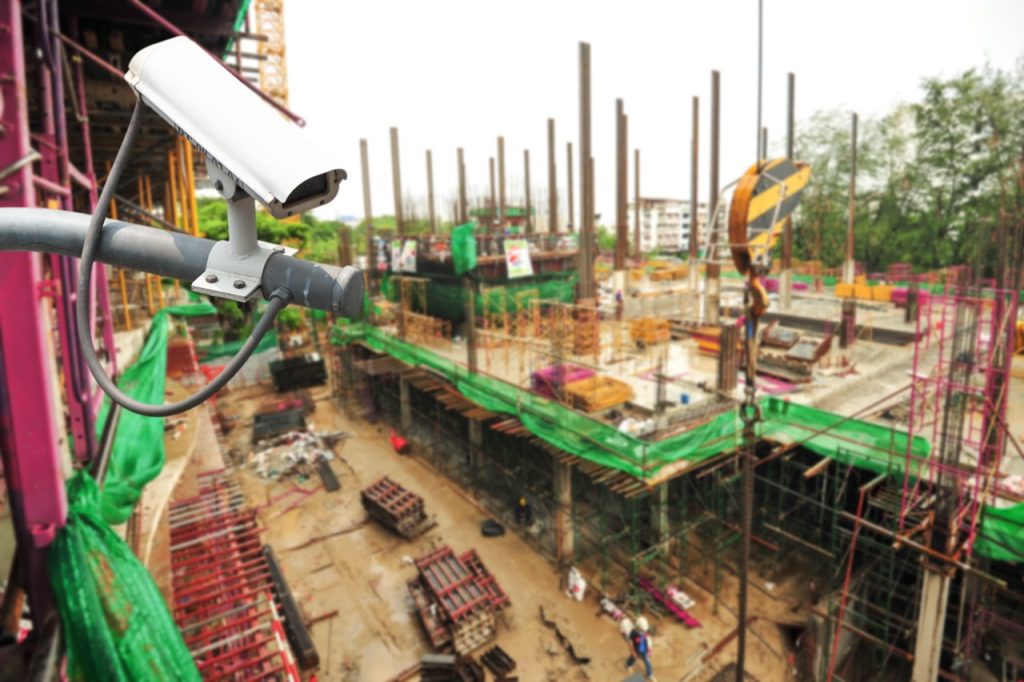
FIXED COVERAGE, CHANGING PERIMETERS
Fixed cameras retain their original field of view as fence lines, access points, equipment yards, and other priority areas shift throughout the project.
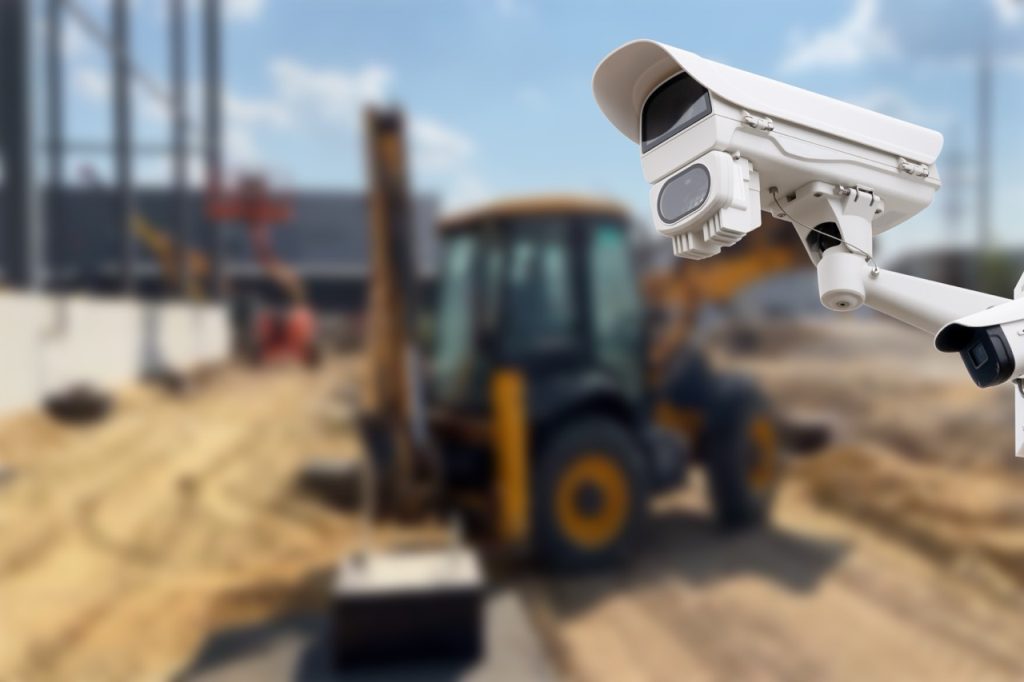
MOBILE CAMERAS WITHOUT PATROL
Mobile surveillance units can be repositioned as sites change, but their coverage remains limited to each camera’s field of view across a large jobsite.
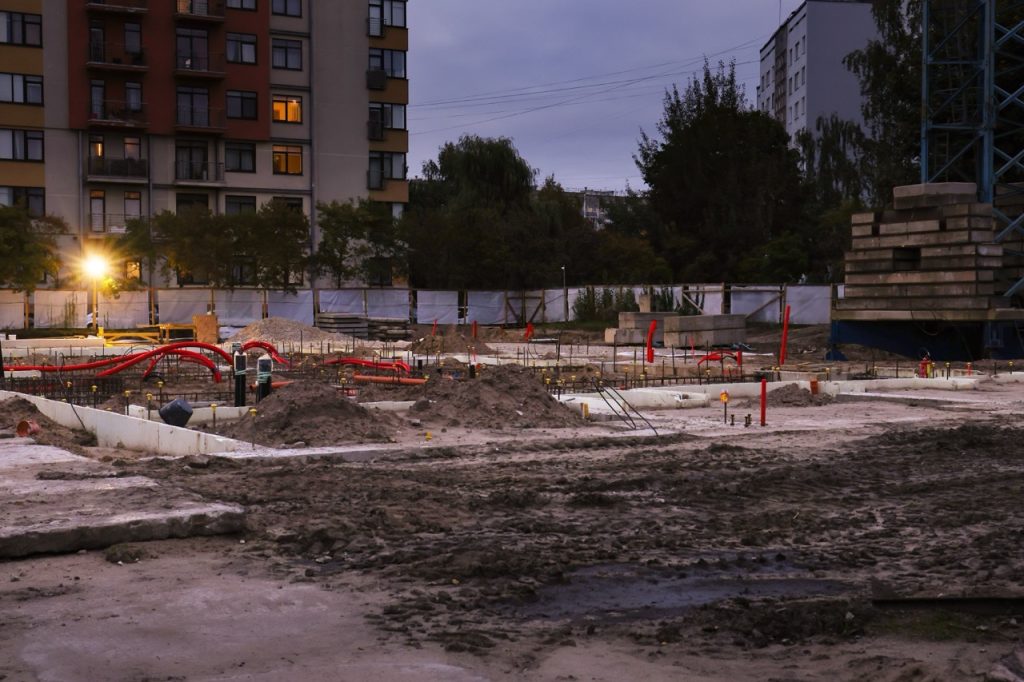
MULTI-ACRE AFTER-HOURS COVERAGE
Large jobsites may span multiple equipment yards, staging areas, and access points, making consistent overnight coverage difficult from static positions.

MULTI-SITE COVERAGE CONSISTENCY
Contractors managing jobsites at different project phases may struggle to maintain consistent security coverage, procedures, and incident records across their portfolio.
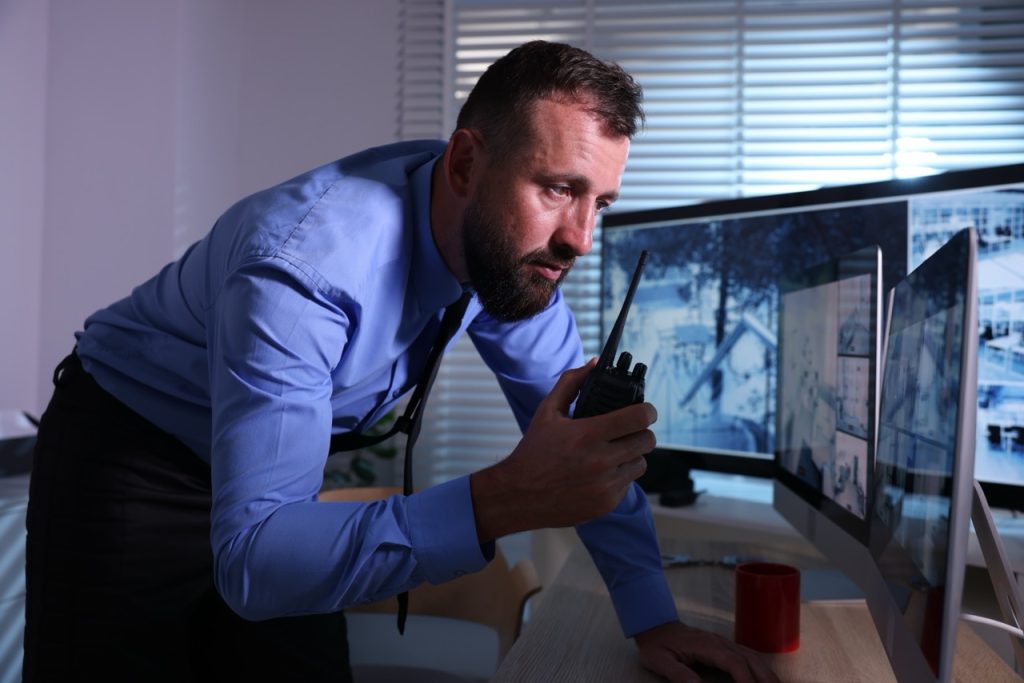
ALARMS ACROSS SHIFTING JOBSITES
Intrusion alarms can signal activity, but as fence lines and access points change, seeing what triggered the alarm may prove difficult.
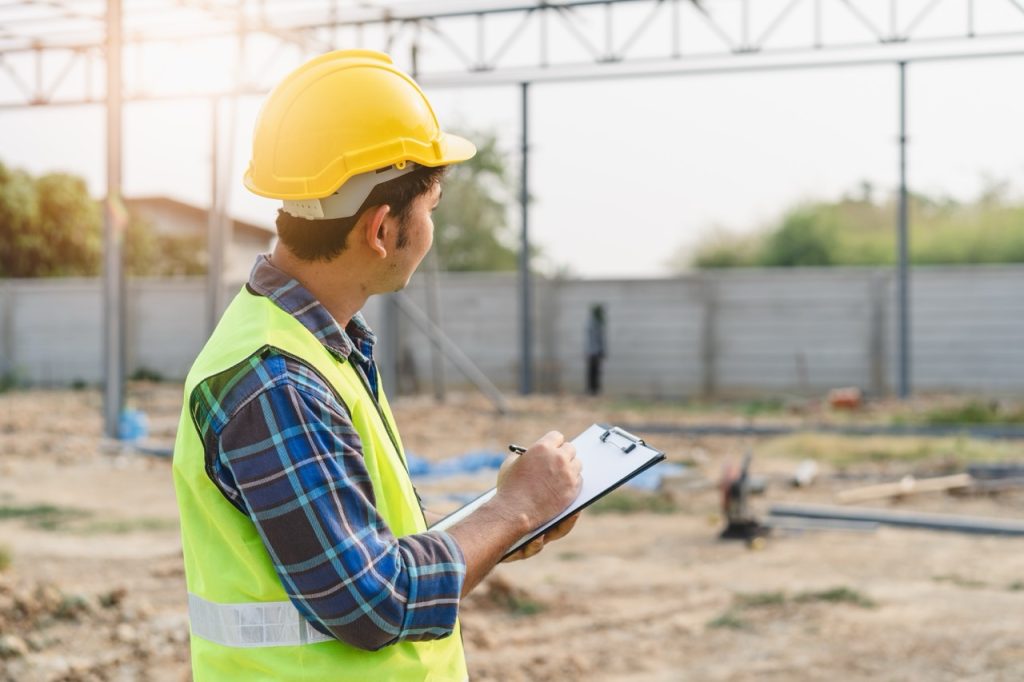
DOCUMENTATION AFTER JOBSITE LOSS
After equipment theft, material loss, or vandalism, camera and alarm logs may provide an incomplete record of site conditions and response during the incident.
WHAT SECURITY LEADERS NEED TO PROVE
ACCOUNTABILITY RUNS IN EVERY DIRECTION
When a construction site incident occurs, project leaders may answer to insurers evaluating a claim, legal counsel assessing liability, and owners or developers seeking accountability. Each stakeholder needs clear documentation of site conditions, security procedures, patrol activity, and the actions taken before and during the event.
Builder's Risk Claim Evidence
Trespass Liability Records
Equipment Theft Timeline
Owner Security Reporting
Site Access Documentation
Phase Transition Coverage
FROM ALARM TO INCIDENT REPORT

ALARM
Automated patrol or integrated construction site security systems detect potential activity and trigger an alert.

VERIFICATION
Robotic systems provide real-time visual data from the jobsite, allowing the RSOC operator to assess whether the activity requires attention.

OPERATOR DECISION
The RSOC operator evaluates the verified event and determines the appropriate escalation based on established site security procedures.

RESPONSE
Based on the operator's decision, the event is escalated to designated site personnel, security teams, or law enforcement as appropriate.

DOCUMENTATION
Footage, patrol records, timestamps, and incident details create a documented record for project owners, insurers, legal teams, or law enforcement.
ROBOTICS FIT FOR THE ENVIRONMENT
BUILT FOR SECURITY IN HIGHLY RESTRICTED ZONES
Asylon brings automated patrol and oversight to construction sites.
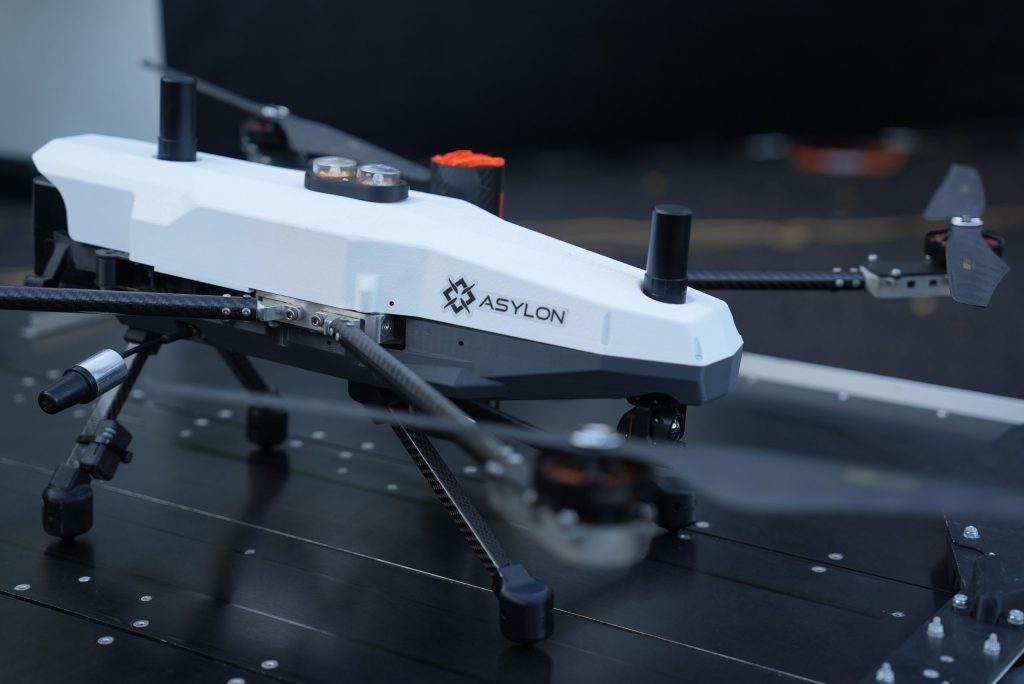
GUARDIAN
Advanced Threat Detection
- Full-Site Aerial Perimeter Patrol
- Rapid Verification Across the Site
- Phase-Transition Site Assessment
- Real-Time Feed for Human Decisions
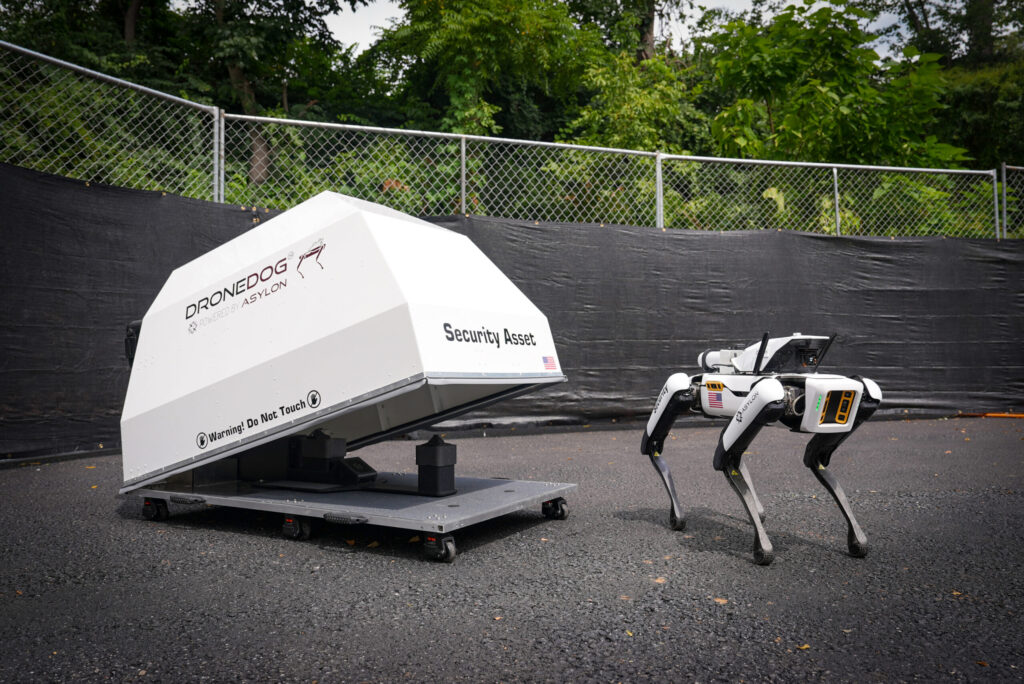
DroneDog™
Automated Surveillance Redefined
- Scheduled Off-Hours Site Patrols
- Ground-Level Equipment Inspection
- Full-Window Overnight Coverage
- Visible Patrol at Staging Areas
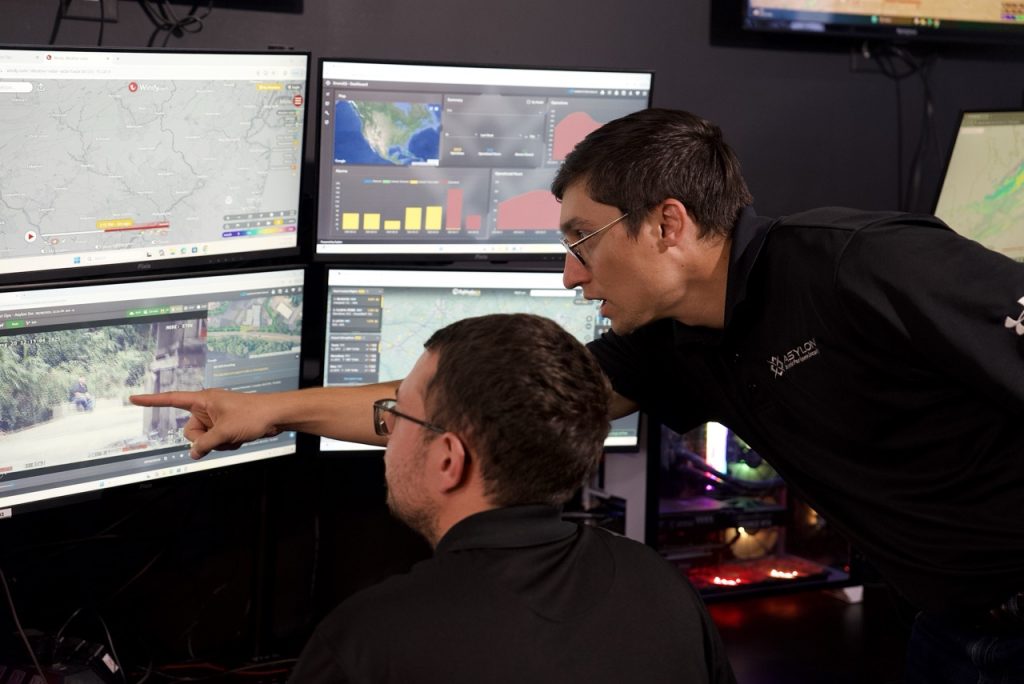
24/7 RSOC
Always-On Security Monitoring
- Multi-Site Robotic Coordination
- Unified Incident Evidence Record
- Flexible Patrol Work Windows
- Daily Patrol Route Adjustments
FAQs
Construction security leaders often have questions about protecting changing jobsites, managing off-hours exposure, and documenting security activity.
What documentation supports builder's risk insurance claims?
DroneIQ records patrol activity, incident timelines, and operator decisions for the loss window.
Can patrols adapt as construction site perimeters change?
Patrol routes can be reconfigured as fence lines, access points, and site footprints evolve.
How is security maintained during construction phase transitions?
Scheduled patrols continue as crew density drops and equipment and materials remain exposed.
Can multiple construction sites be monitored from one system?
DroneIQ centralizes patrol records and incident documentation across active construction sites.
How are construction site trespassing events documented?
Incident records combine footage, patrol logs, and operator decisions for liability documentation.
Do robotic patrols replace construction site security guards?
Robotic patrols extend coverage while human operators verify events and direct escalation.
How quickly can robotic security be deployed at a construction site?
Deployment typically takes about 60 days, including onboarding, setup, mapping, and configuration.
Connect With the Asylon Team
Protect your construction sites as projects evolve. Contact Asylon to explore automated robotic security for changing perimeters, exposed equipment, and after-hours coverage.