Deployment depends on site-specific hazardous-zone requirements. Patrol routes are planned around classified areas and operational restrictions.
OIL & GAS SECURITY REALITY
OPERATIONS DISTRIBUTED
BY DESIGN
Oil and gas operations span well sites, pipelines, terminals, and processing facilities that require visibility across large, distributed assets.
- Remote production assets have limited staffing and large areas that are hard to monitor continuously.
- Distributed infrastructure spans long distances, with infrequent physical patrols and little on-site presence.
- Large processing sites with hazardous operations, contractor traffic, and continuous production have complex security needs.
- Bulk storage facilities with loading racks, contractor traffic, and large perimeters create major security and documentation challenges.
- Hazard-sensitive operations where temporary workforces, restricted zones, and documentation requirements can increase security complexity.
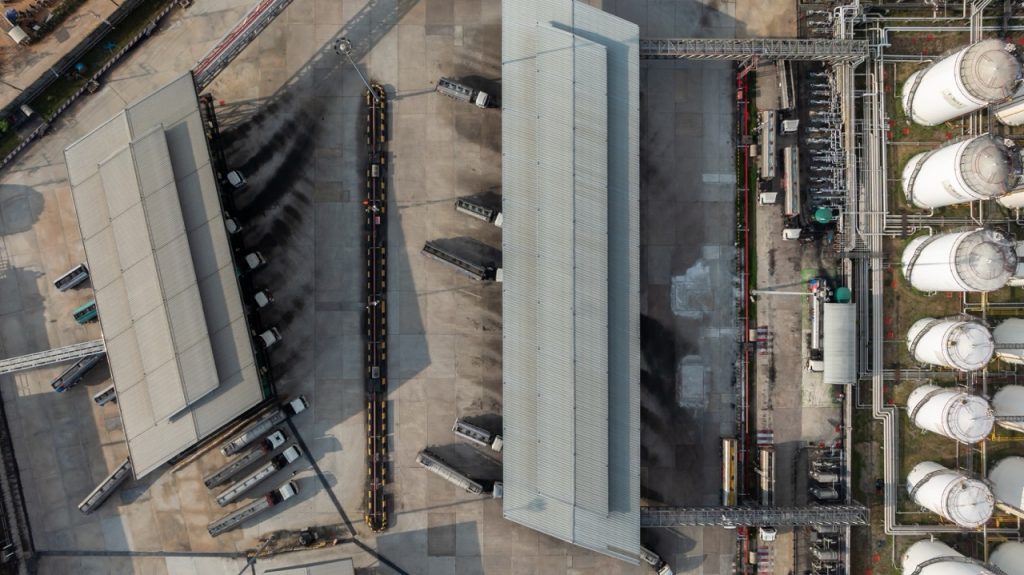
WHAT MAKES OIL & GAS PERIMETER SECURITY DIFFERENT
The most common security threats to the oil and gas industry are shaped by the physical realities of distributed infrastructure and remote operations.
Distributed Assets, Limited Coverage
Wellheads, pump stations, tank farms, and refinery campuses can span large areas. Maintaining continuous visibility across every asset is a structural challenge, not a staffing issue.
Hazardous Areas and Restricted Zones
Process units, storage tanks, and chemical handling areas create environments where access is tightly controlled and operational consequences can be significant.
Critical Infrastructure Consequences
Oil and gas infrastructure is a frequent target for theft, vandalism, protests, and other disruptions. Incident stakes are often higher than a typical perimeter breach.
Turnarounds and Contractor Activity
Shutdowns and turnarounds can bring large temporary workforces onto site. Increased traffic across multiple access points adds complexity to site oversight and accountability.
WHAT ACTUALLY GOES WRONG
THE SECURITY INCIDENTS YOU ARE ALREADY DEALING WITH
Risks can include:
OPERATIONAL CONSTRAINTS
WHY TRADITIONAL SECURITY STRUGGLES HERE
Oil and gas security requirements often extend beyond what guards, cameras, and alarms can document across large footprints.
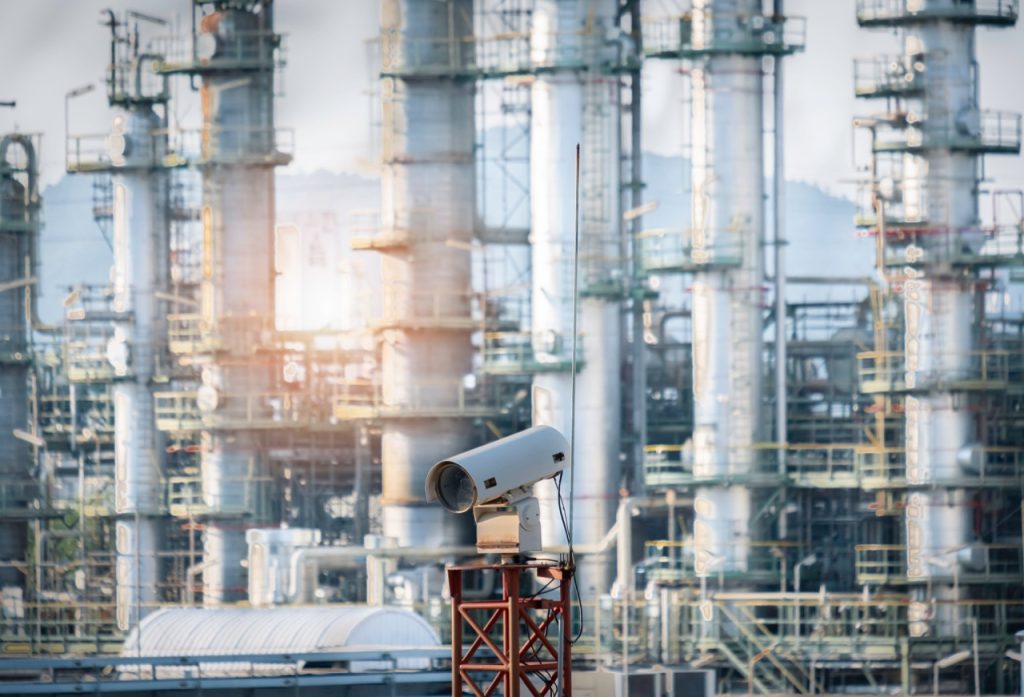
CAMERA COVERAGE ACROSS ASSETS
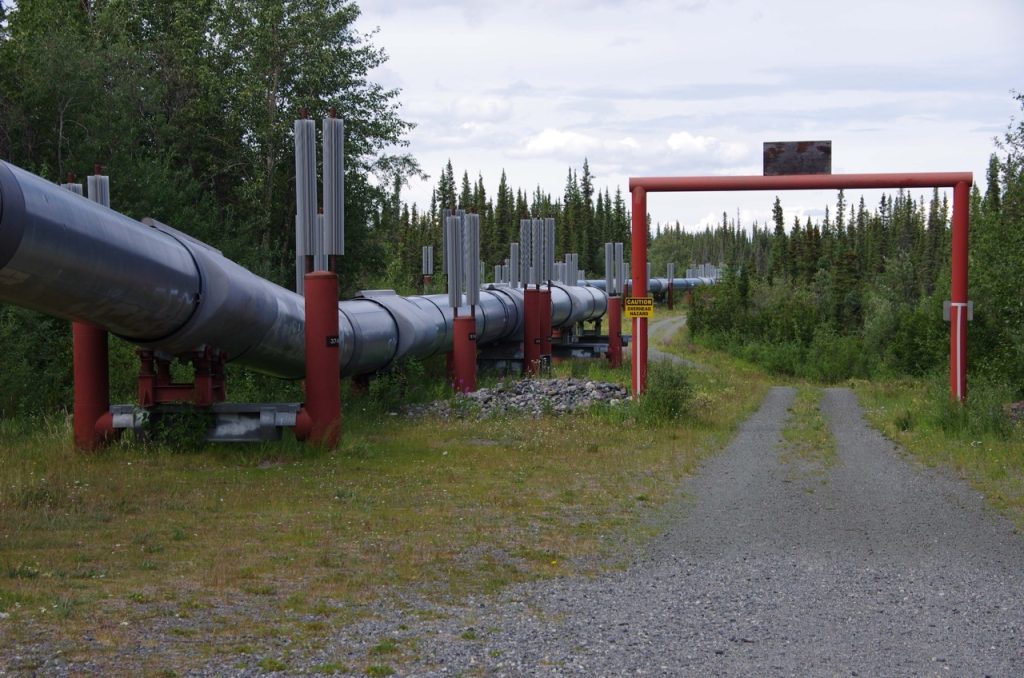
Fixed cameras monitor specific locations, but refinery campuses, pipeline corridors, pump stations, and wellhead sites create gaps between monitored areas.
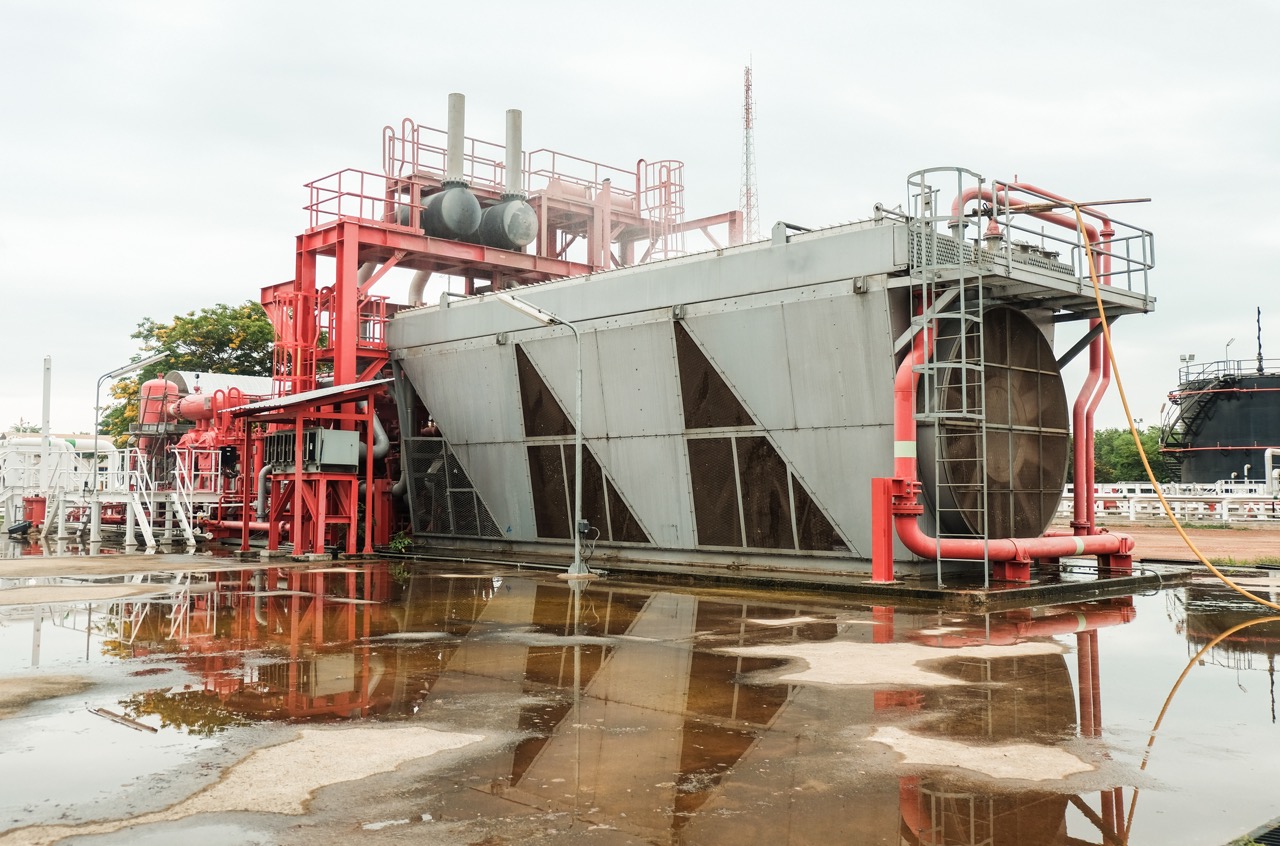
PATROLS ACROSS REMOTE OPERATIONS
Covering a refinery is one challenge. Covering remote well sites, compressor stations, and storage terminals on a consistent schedule is another.
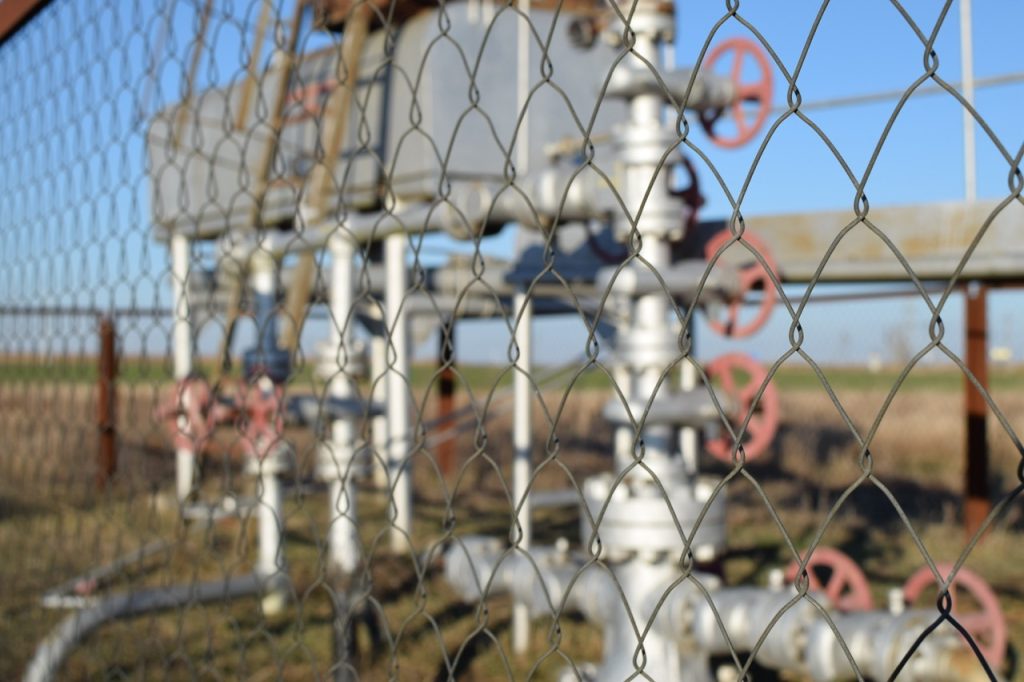
FENCING BEYOND THE MAIN FACILITY
Fences and access controls secure entry points, but many remote assets operate outside the primary facility’s access control architecture.
ALARM RESPONSE AT REMOTE SITES
An alarm at a pump station or pipeline access point may occur miles from personnel, creating delays between notification and verification.
AUDIT-READY PATROL RECORDS
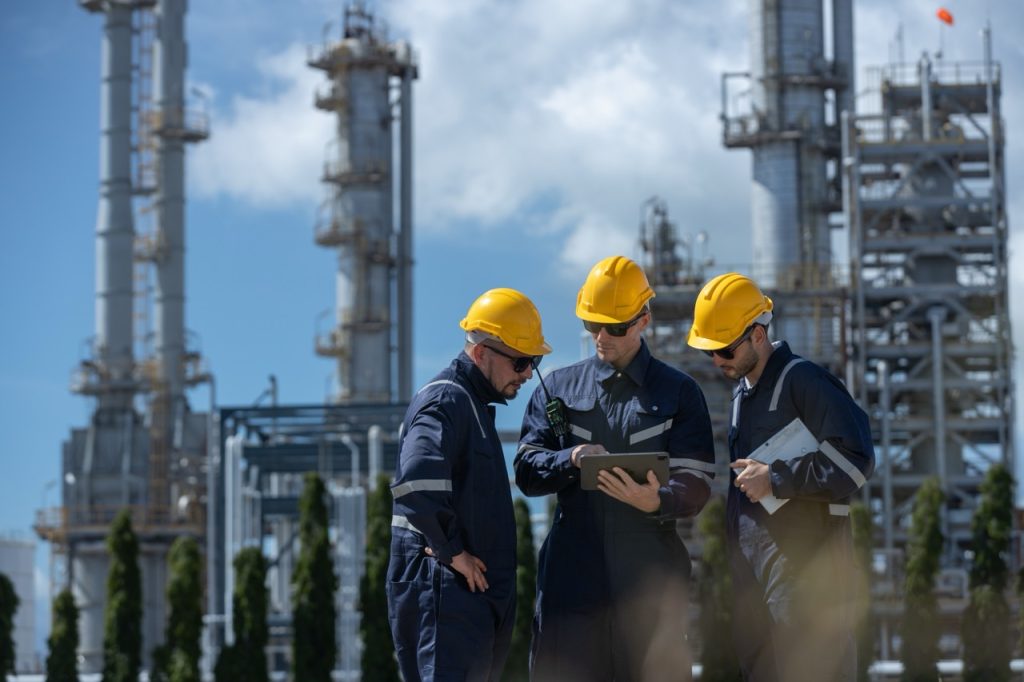
Security standards require documented evidence of active perimeter monitoring. Fixed-point records don’t always establish when remote assets were observed or patrolled during the review period.
HAZARDOUS ZONE VERIFICATION
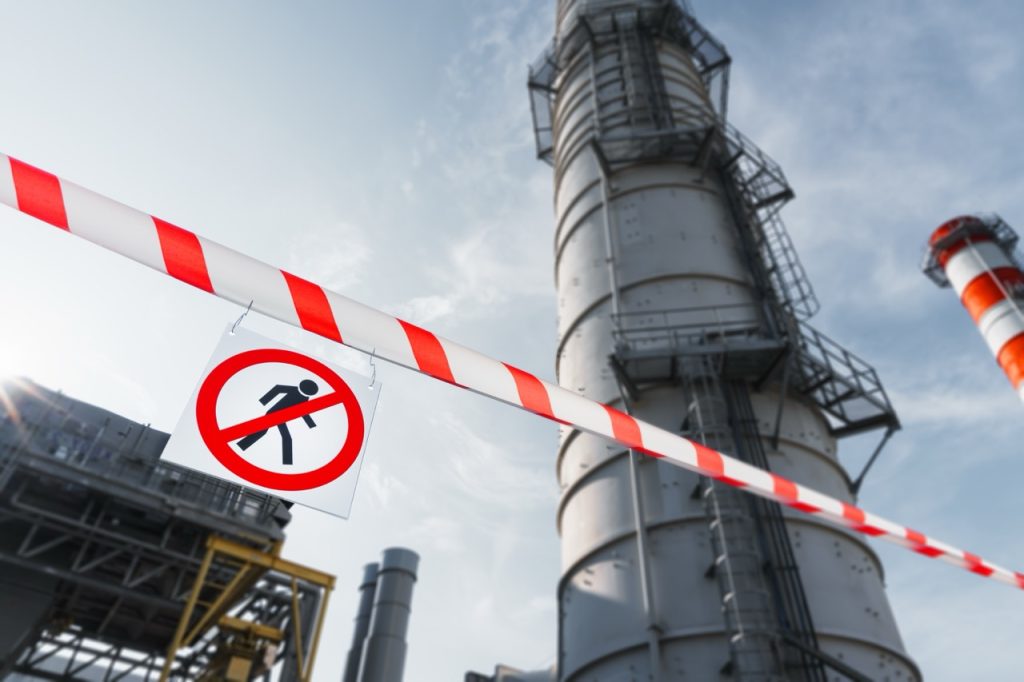
Refinery units, tank farms, and chemical handling areas are classified environments where investigating an alarm may involve additional safety considerations.
WHAT SECURITY LEADERS NEED TO PROVE
ACCOUNTABILITY RUNS IN EVERY DIRECTION
Oil and gas security requirements affect stakeholders across operations, safety, and security. Vice Presidents of Operations, Terminal Managers, and Pipeline Operations leaders are responsible for production, remote assets, staffing, and operational risk. Environmental Health & Safety teams focus on employee safety, hazardous-area access, leak response, and regulatory compliance. Security Directors oversee security personnel and systems. Physical guards handle patrols, access control, incident response, and recordkeeping.
NERC CIP-006 Evidence
TSA Pipeline Compliance
API 780 Risk Assessments
Insurance & Incident Records
Contractor Access Records
OSHA & Patrol Documentation
FROM ALARM TO INCIDENT REPORT

ALARM
A fence sensor, motion detector, access control system, or site alarm identifies activity at a wellhead, pump station, pipeline access point, storage terminal, or process area.

VERIFICATION
Available information is reviewed to determine whether the event involves a perimeter intrusion, activity near a pipeline right-of-way, a contractor outside an authorized turnaround zone, or access near a classified hazardous area.

DECISION
The security operator evaluates the situation and decides whether to notify refinery operations, pipeline operations, HSE personnel, site security, or law enforcement, or close the event as a false alarm.

RESPONSE
Based on the operator's decision, site security, operations personnel, HSE teams, or law enforcement respond. Actions taken, response times, and involved personnel are documented.

DOCUMENTATION
Video, patrol records, operator decisions, response timelines, and chain-of-events documentation are compiled to support TSA reviews, NERC CIP evidence requests, insurance inquiries, audits, or investigations.
ROBOTICS FIT FOR THE ENVIRONMENT
BUILT FOR SECURITY IN HIGHLY RESTRICTED ZONES
Asylon’s solutions address specific oil and gas security challenges.
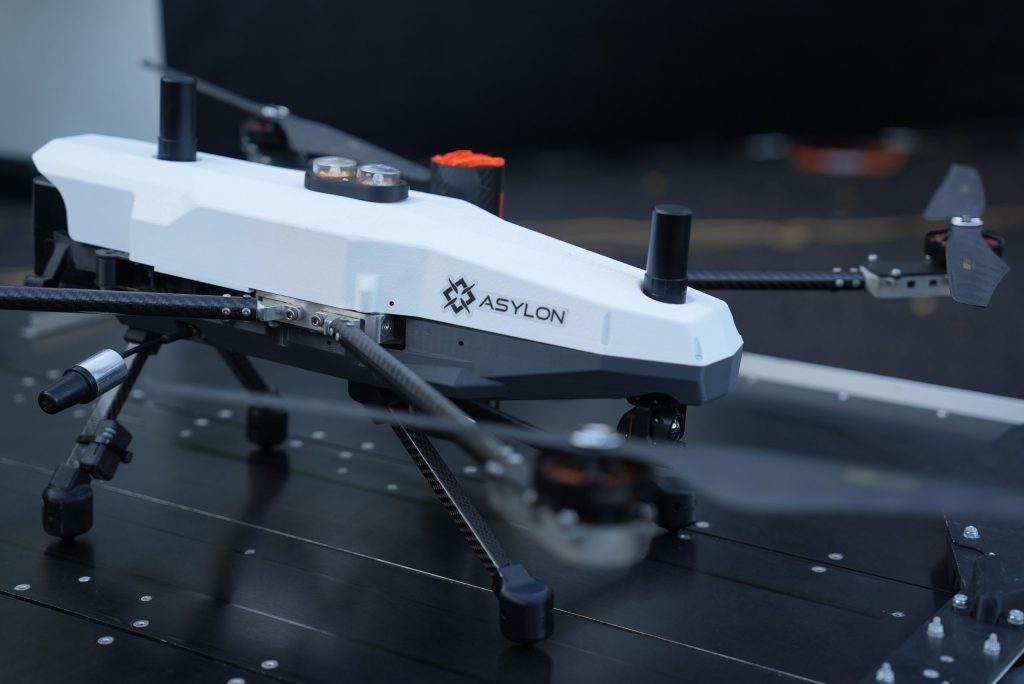
GUARDIAN
Advanced Threat Detection
- Refinery & Terminal Verification
- Pump Station Alarm Response
- Hazardous Area Verification
- Operator-Led Response Decisions
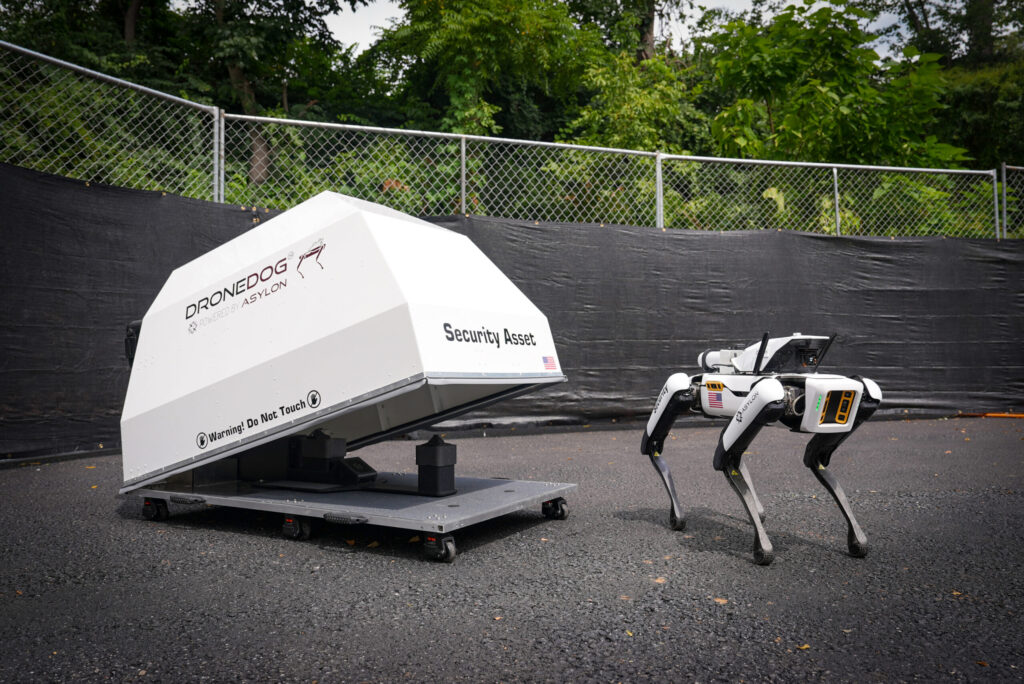
DroneDog™
Automated Surveillance Redefined
- Refinery & Terminal Patrols
- Thermal & Chemical Inspection
- Turnaround & Overnight Coverage
- Equipment Yard Deterrence
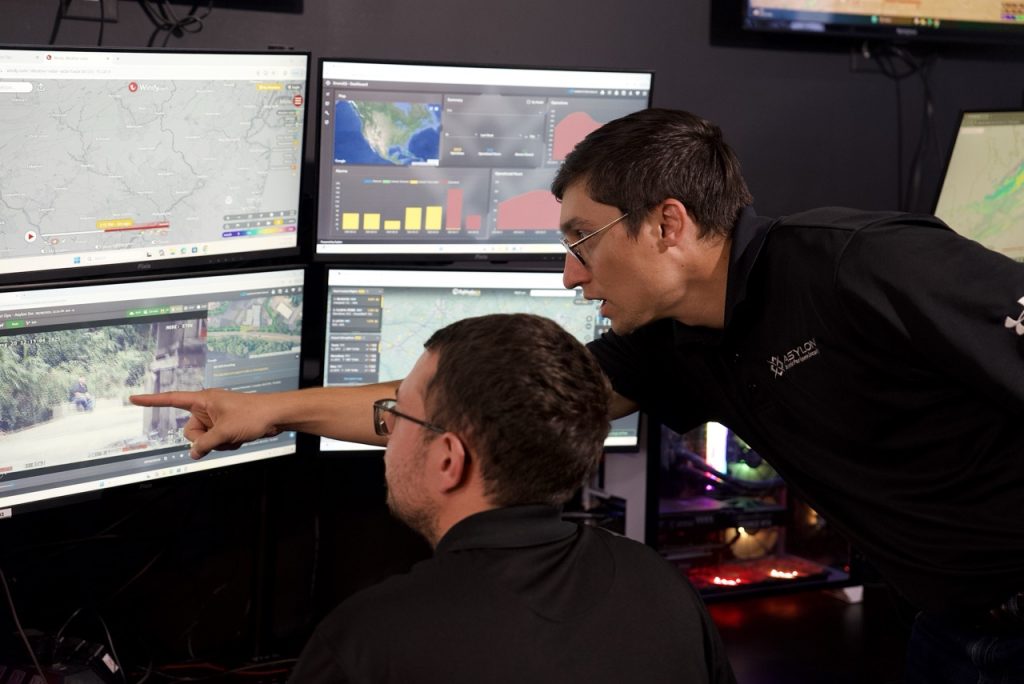
24/7 RSOC
Always On Security Monitoring
- Pipeline-to-Refinery Coverage
- One Operator, One Audit Trail
- Aerial & Ground Evidence Logs
- NERC & TSA Documentation
FAQs
We regularly hear these questions from security leaders responsible for pipeline corridors, terminals, refinery campuses, and other oil and gas sites:
How does robotic patrol support NERC CIP and TSA security requirements?
Scheduled patrols create timestamped records that can support NERC CIP evidence requests and TSA Pipeline Security reviews.
What documentation is available after a perimeter incident?
Auto-generated incident records include footage, patrol history, operator decisions, and a documented chain of events.
How are remote pump stations, wellheads, and pipeline access points monitored?
Guardian can respond to alarms at remote assets, while DroneDog supports scheduled patrols at unmanned facilities with available infrastructure.
Can this oil and gas security system integrate with SCADA, access control, and site alarms?
DroneIQ can ingest events from existing access control systems, site alarms, and other security infrastructure through open integrations.
Can Guardian monitor pipeline right-of-way corridors?
Guardian can patrol pipeline corridors and verify activity near access points, vehicle approaches, excavation work, or unauthorized entry.
How long does deployment take at an oil and gas facility?
Deployment timelines vary based on site complexity, hazardous-area planning, infrastructure requirements, and operational approvals.
Do your robots replace our existing security officers?
No. Security personnel continue handling response activities while the system extends visibility across remote sites, hazardous areas, and large perimeters.
Connect With the Asylon Team
Oil and gas organizations operate under operational, regulatory, and insurance scrutiny. Asylon strengthens oil and gas security across wellheads, pipelines, terminals, and refineries, while creating documentation for audits, investigations, and reviews.