CASE STUDY
For one major metropolitan water authority, maintaining consistent overnight perimeter coverage had become increasingly difficult. This case study examines how DroneDog helped strengthen water treatment plant security while working alongside the authority’s existing security team.
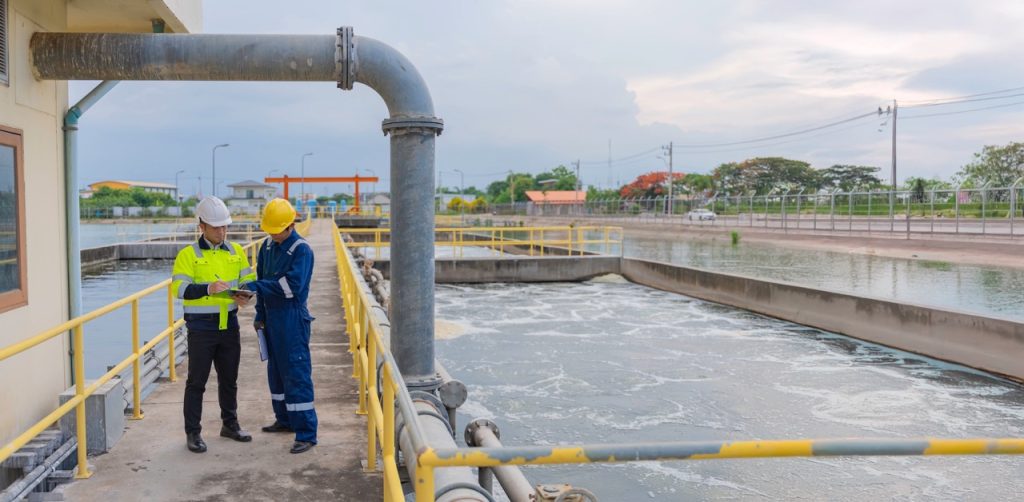
The water authority required reliable after-hours coverage across a facility housing filtration systems and chemical storage, alongside critical operational equipment. Staffing shortages left traditional patrols with coverage gaps and inconsistent documentation, undermining compliance requirements.
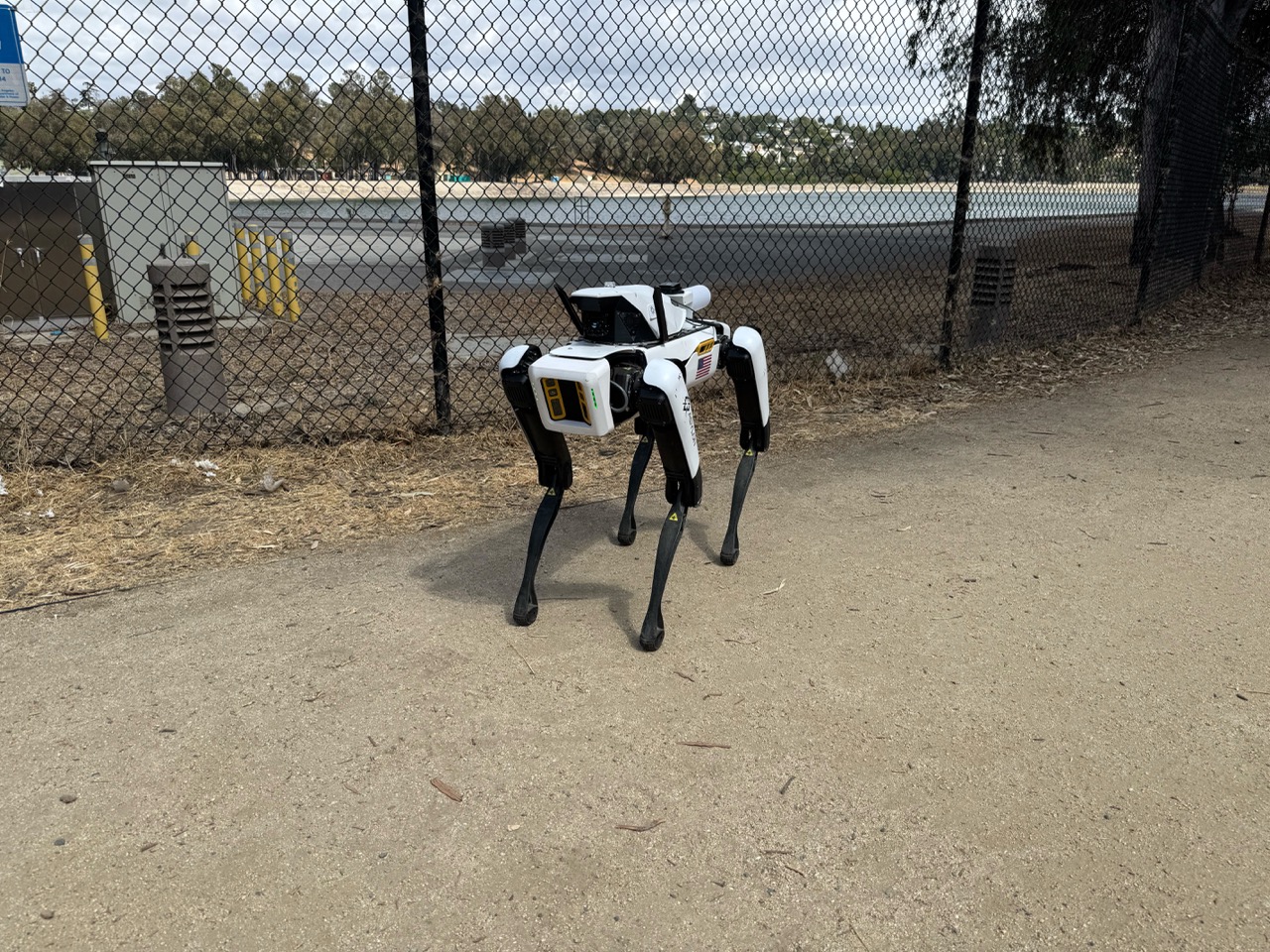
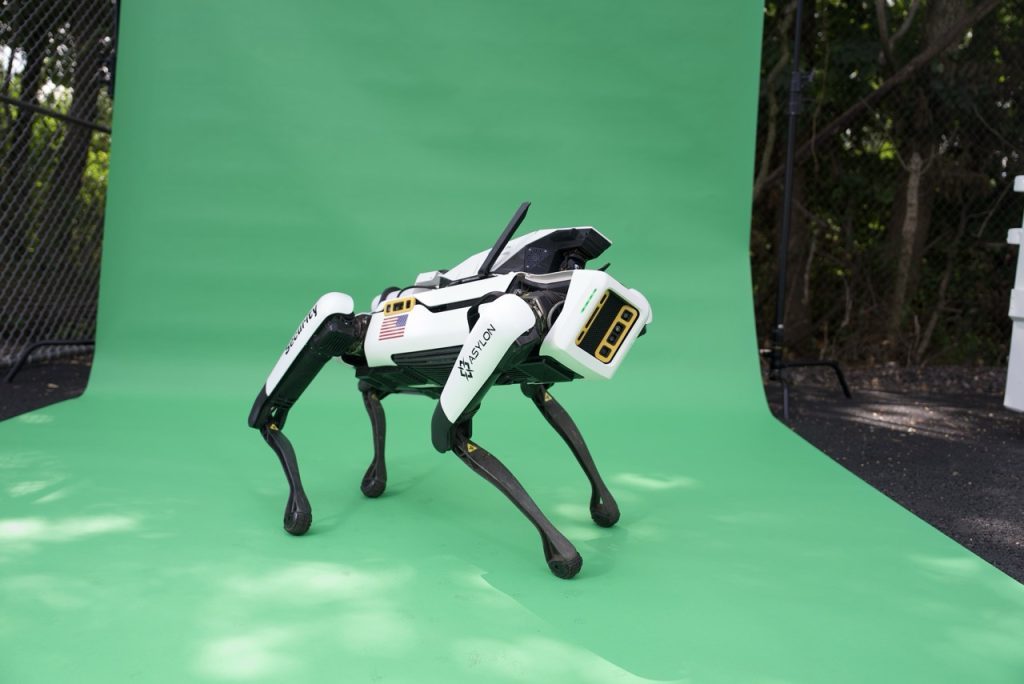
Asylon deployed a single DroneDog unit supported by its 24/7 RSOC. The robot performed automated perimeter patrols while remaining connected with the facility's Robotic Security Operations Center for coordinated dispatch, monitoring, and escalation whenever human intervention was required.
The deployment delivered consistent patrol coverage, identified hundreds of security concerns before they became larger incidents, and produced complete digital patrol records with supporting video and operator actions for every patrol.
FEATURES/STATS
MEASURABLE SECURITY IMPROVEMENTS
Consistency was the biggest advantage of the deployment. Unlike patrol schedules that staffing shortages or competing priorities can disrupt, DroneDog maintained repeatable coverage around critical assets every night while capturing verifiable patrol data. The result was greater confidence that security procedures were being carried out as intended.
STORY
DRONEDOG STRENGTHENS SECURITY WITHOUT EXPANDING THE GUARD FORCE
"DroneDog has fundamentally changed how we think about perimeter security. The consistency of patrol coverage—and the volume of events it surfaces that we simply weren't catching before—gives our team a new level of operational confidence."
Senior Security Manager
Large water treatment facilities present a unique security challenge. Campuses can span more than 100 acres, with miles of fencing, remote assets, and critical infrastructure that must be monitored long after most personnel have gone home. Overnight patrols become especially difficult because fewer security personnel are on duty, leaving facilities most vulnerable when security coverage is at its lowest.
Those coverage gaps carry consequences beyond facility security. The Cybersecurity and Infrastructure Security Agency (CISA) classifies water and wastewater systems as critical infrastructure because physical attacks, cyber attacks, or contamination events can disrupt essential services and threaten public health. For security leaders, an overnight patrol is more than another shift responsibility. It’s part of protecting infrastructure on which entire communities depend.
A major metropolitan water authority faced this exact challenge. Rather than expanding its guard force, the authority partnered with Asylon Robotics to strengthen water treatment plant security by integrating DroneDog into its existing operation. Supported by Asylon’s 24/7 Robotic Security Operations Center (RSOC), DroneDog worked alongside the facility’s Security Operations Center to create a coordinated robot-to-human response process that closed overnight coverage gaps without disrupting established workflows.
The operational impact was immediate. Officers no longer had to choose between completing scheduled perimeter patrols and responding to alarms, access requests, or other incidents during overnight shifts. DroneDog assumed responsibility for repetitive patrol routes, giving security personnel more time to focus on situations requiring human judgment while maintaining dependable coverage across the site’s perimeter regardless of staffing levels.
Documentation changed just as much as the patrols themselves. Every mission generated a searchable digital record that included video, operator actions, and event resolution. Instead of asking whether a patrol had been completed, supervisors could review exactly where DroneDog traveled, what it observed, and how each event was handled. That level of visibility supports investigations today while providing valuable documentation for audits, compliance reporting, and long-term security planning. For organizations focused on protecting critical infrastructure systems, objective patrol data becomes another layer of operational resilience.
The deployment showed that automated perimeter security can fit into an existing program without disrupting established workflows. Integrating DroneDog into its operation allowed the plant to strengthen water infrastructure security, gain greater operational confidence, and build a more resilient security program, all without expanding its guard force.
Schedule Your Demonstration
See how automated patrols fit into your existing security operation. Schedule a demo to learn how DroneDog helps water treatment facilities maintain dependable perimeter coverage around the clock.
ASYLON IN ACTION
EXPLORE MORE CASE STUDIES
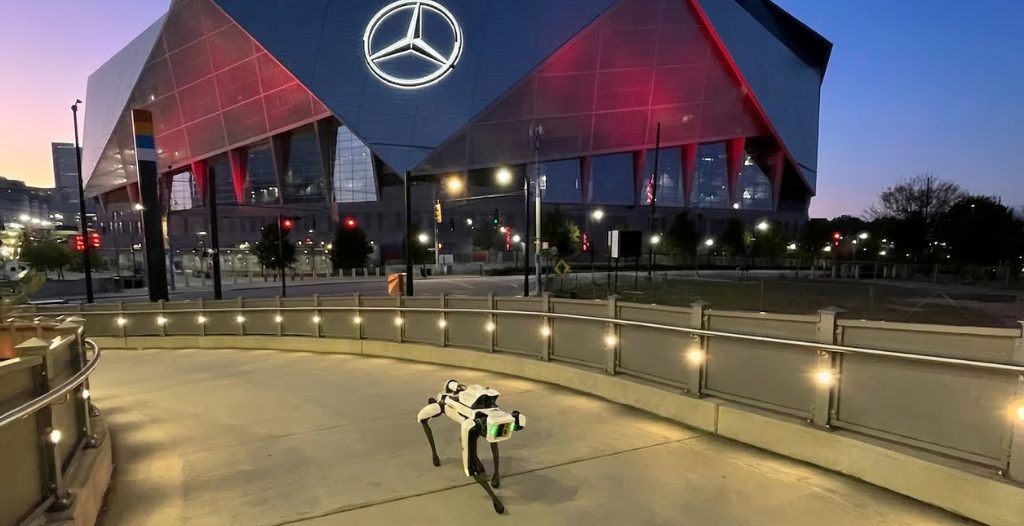
PERIMETER COVERAGE AT MERCEDES-BENZ STADIUM
DroneDog is a ground-based security robot assigned to routine perimeter patrols. It follows defined routes and maintains consistent observation without replacing human guards.
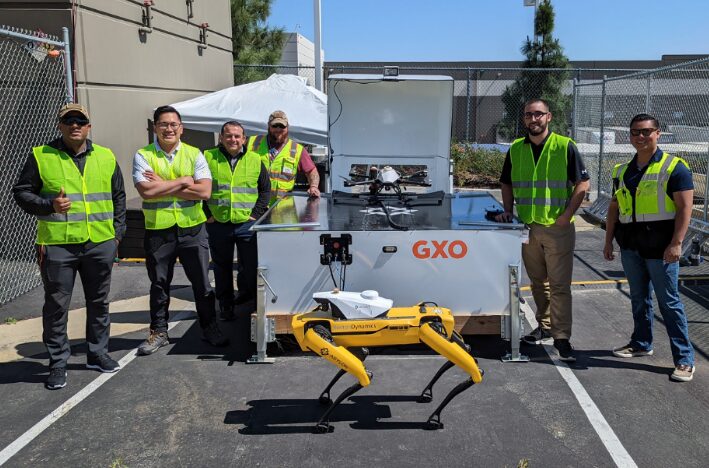
GXO PERIMETER SECURITY
As the world’s largest pure-play contract logistics provider, GXO needed a new approach to securing sprawling distribution centers. This case study explores how our robotic security technology helped meet that challenge.
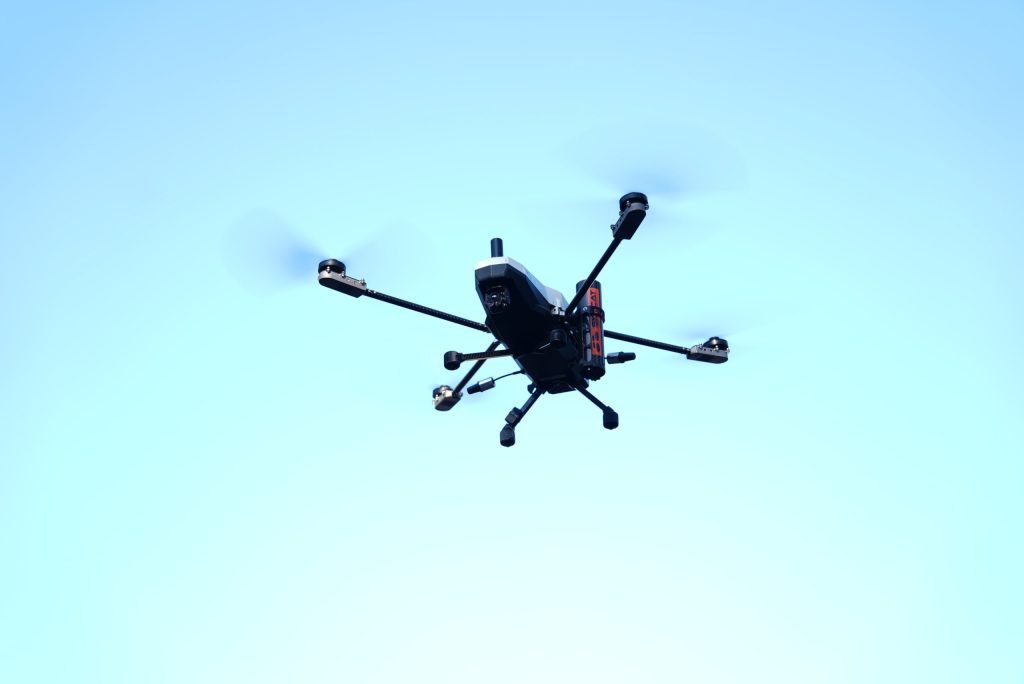
DRONE PERIMETER SECURITY AT KIA GEORGIA
When Kia’s only U.S. plant needed a better manufacturing security solution, it turned to Asylon’s aerial perimeter security drones for efficiency and savings.
Connect With the Asylon Team
Want to schedule a demo, explore a partnership, or connect with our team? Use this form to reach out about media inquiries, career opportunities, or general questions about Asylon’s robotic security solutions. Our team will respond as soon as possible.