No. Automated patrol extends coverage while officers handle access, response, and direct interaction.
MARITIME SECURITY REALITY
WE UNDERSTAND
YOUR ENVIRONMENT
Maritime facilities face unique security challenges: landside and waterside perimeters, shifting yard configurations, restricted zones, and the constant influx of multi-employer personnel.
- Container Stacks Shift Yard Sightlines
- Gate Throughput Pressures TWIC Checks
- Bulk Transfer Areas Raise Safety Stakes
- Dual Perimeters Create Coverage Gaps
- Multi-Employer Access Challenges Control
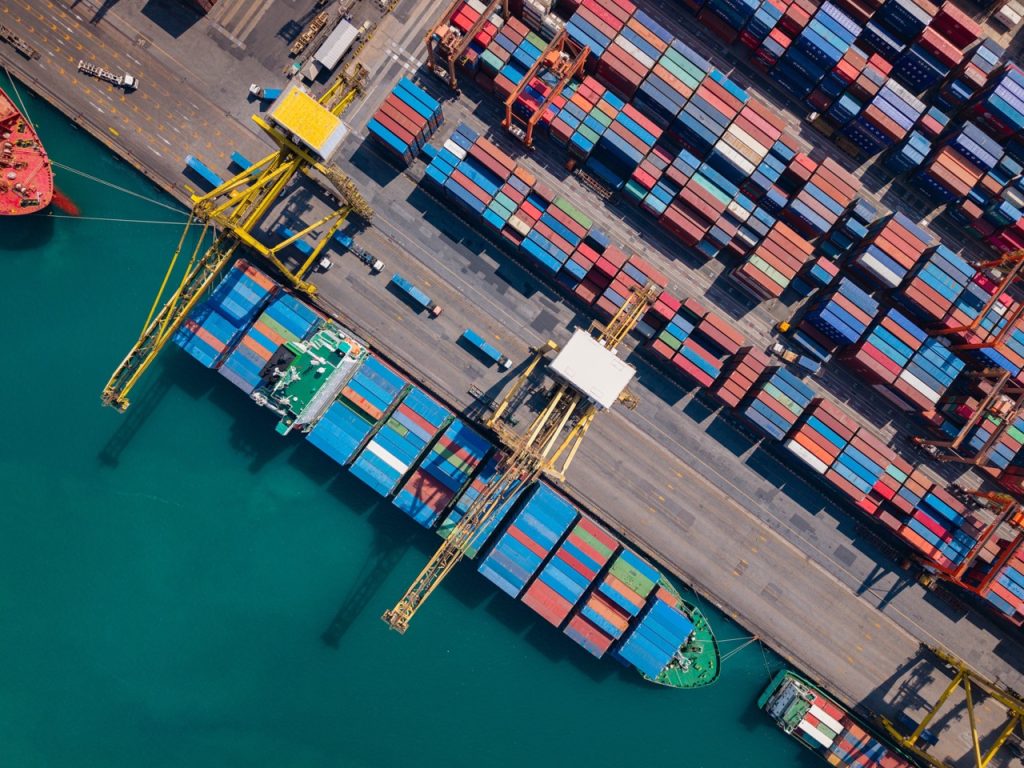
WHAT MAKES MARITIME PERIMETER SECURITY DIFFERENT
Marine terminals must secure both fenced landside boundaries and open waterside edges, each with different access, visibility, and control challenges.
Landside and Waterside Exposure
Marine terminals have fenced landside boundaries and open waterside edges, creating two distinct perimeter conditions within the same facility.
Berth Activity Shifts Attention
When berth activity intensifies, personnel and attention concentrate at the apron while other parts of the terminal operate with fewer eyes on them.
Shared Access Complicates Gate Control
Trucks, longshore labor, contractors, and port personnel continuously move through controlled gates, making access verification harder during peak periods.
Container Stacks Challenge Visibility
Stacked containers create blind corners and narrow sightlines that change as cranes and reach stackers reposition cargo throughout the yard.
WHAT ACTUALLY GOES WRONG
THE SECURITY INCIDENTS YOU ARE ALREADY DEALING WITH
Some common events:
OPERATIONAL CONSTRAINTS
WHY TRADITIONAL SECURITY STRUGGLES HERE
Marine terminals rely on guards, cameras, and TWIC access control, yet visibility often diminishes once people and cargo move beyond the gate.
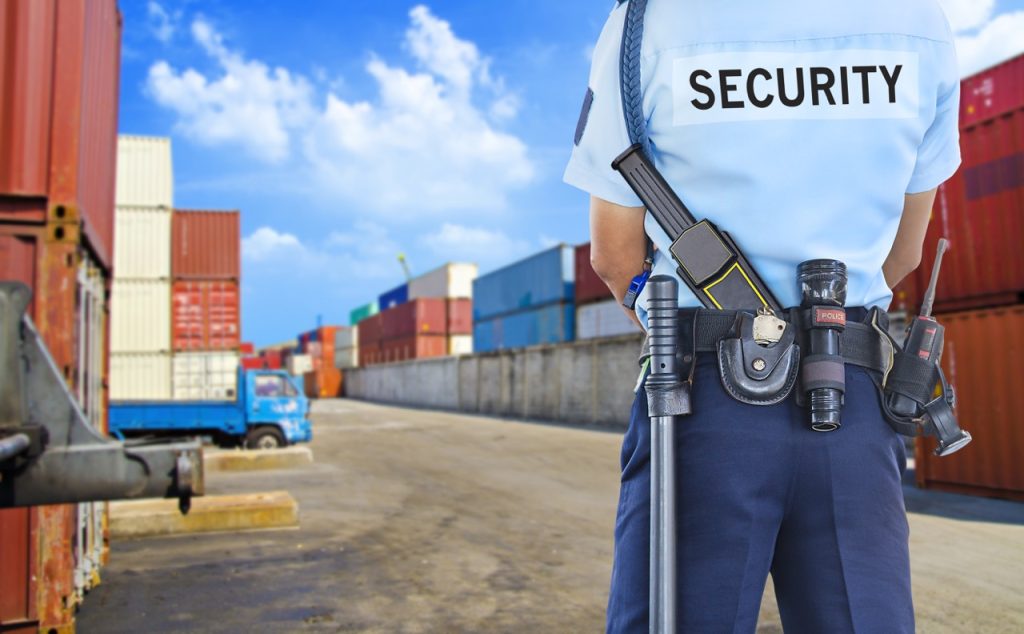
OFFICER COVERAGE FALLS SHORT AT SCALE
A marine terminal may span a mile or more, with gates, container yards, and berth areas competing for attention. A single guard rotation cannot cover every zone continuously.
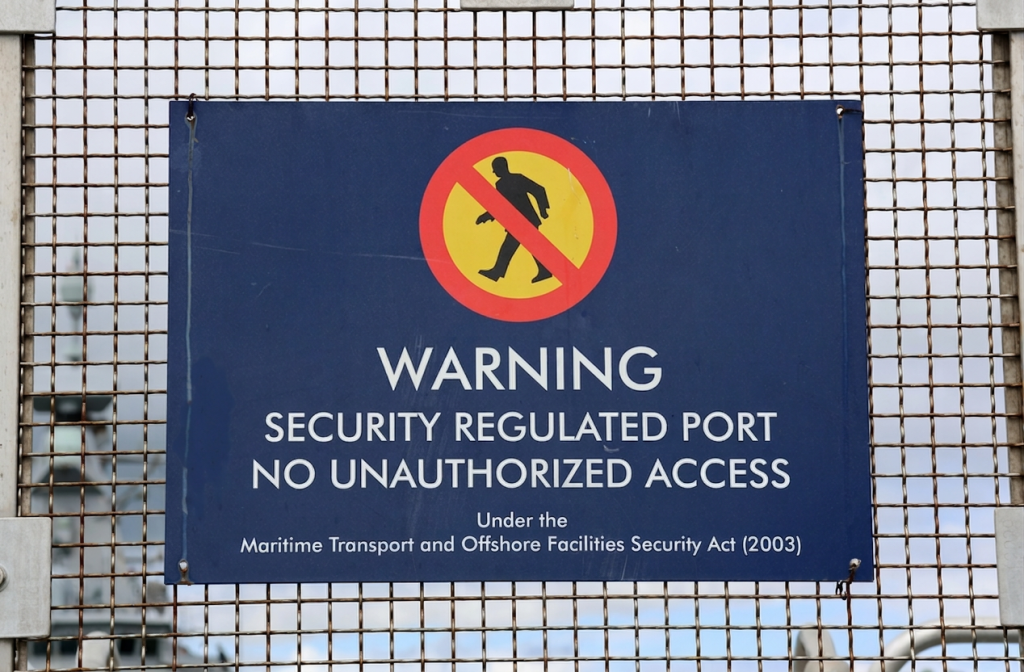
CREDENTIALING STOPS AT THE GATE
TWIC and port access control confirm who may enter. They do not show where a person goes afterward or whether they move into another restricted area.
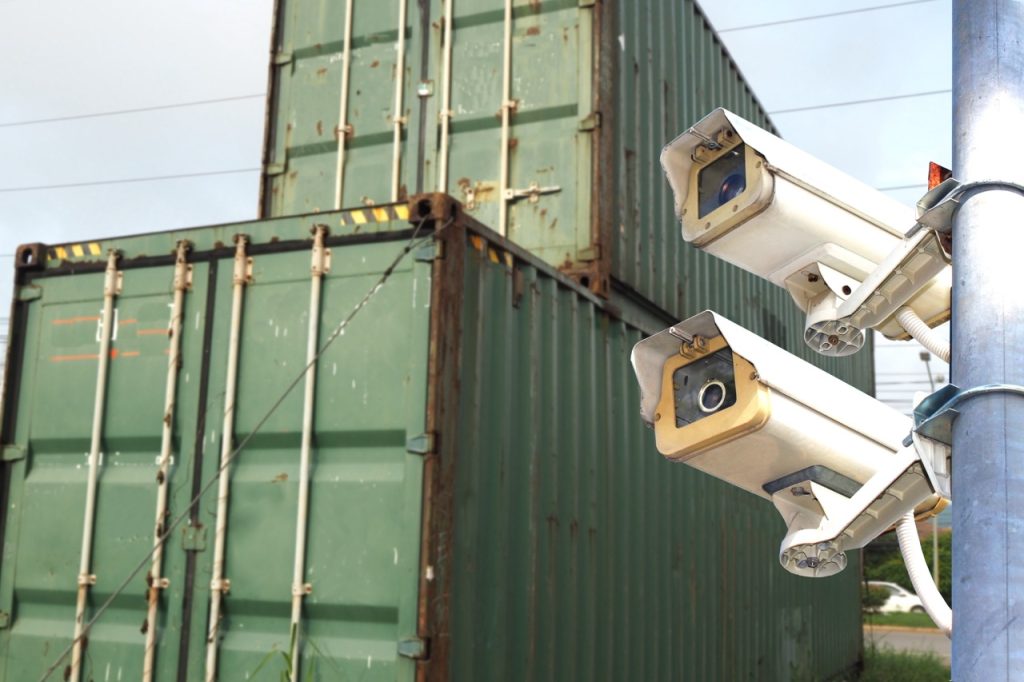
CHANGING YARD LAYOUTS CREATE BLIND SPOTS
Container stacks, chassis, and handling equipment shift throughout the day, changing sightlines while fixed cameras remain aimed at the layout they were installed to monitor.
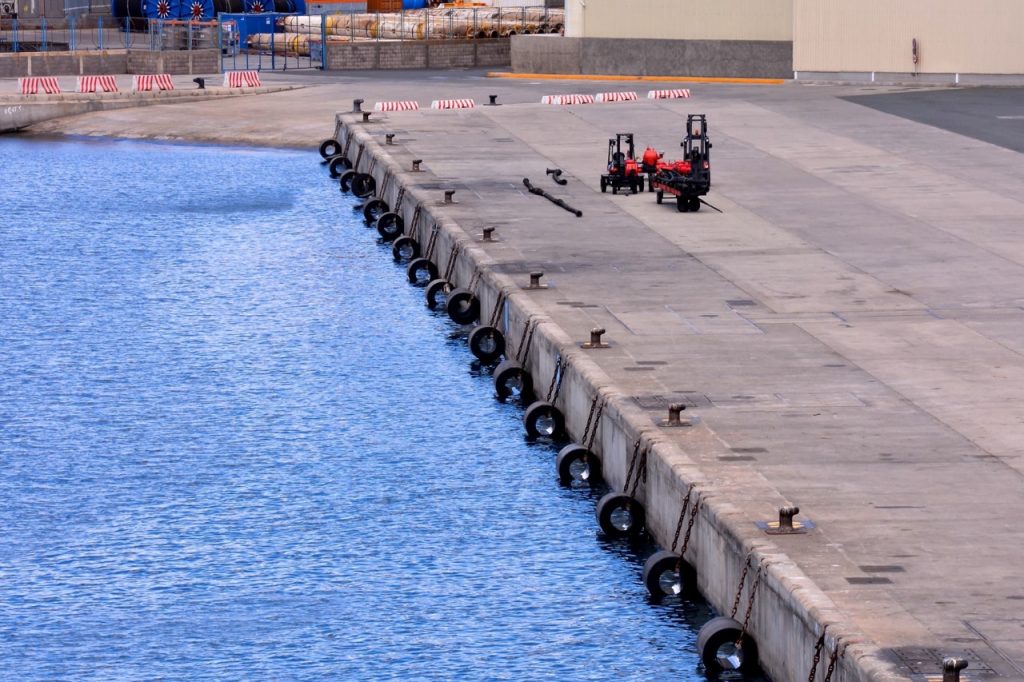
WATERSIDE PERIMETERS RESIST FENCING
Marine terminals can fence landside boundaries, but waterside edges remain open. Regular foot patrols along those areas can also introduce low-light safety concerns.

REMOTE ALARMS STRETCH RESPONSE TIME
An alarm at the far end of a terminal may require an officer to cross active equipment routes before reaching the area, narrowing the window to observe what occurred.
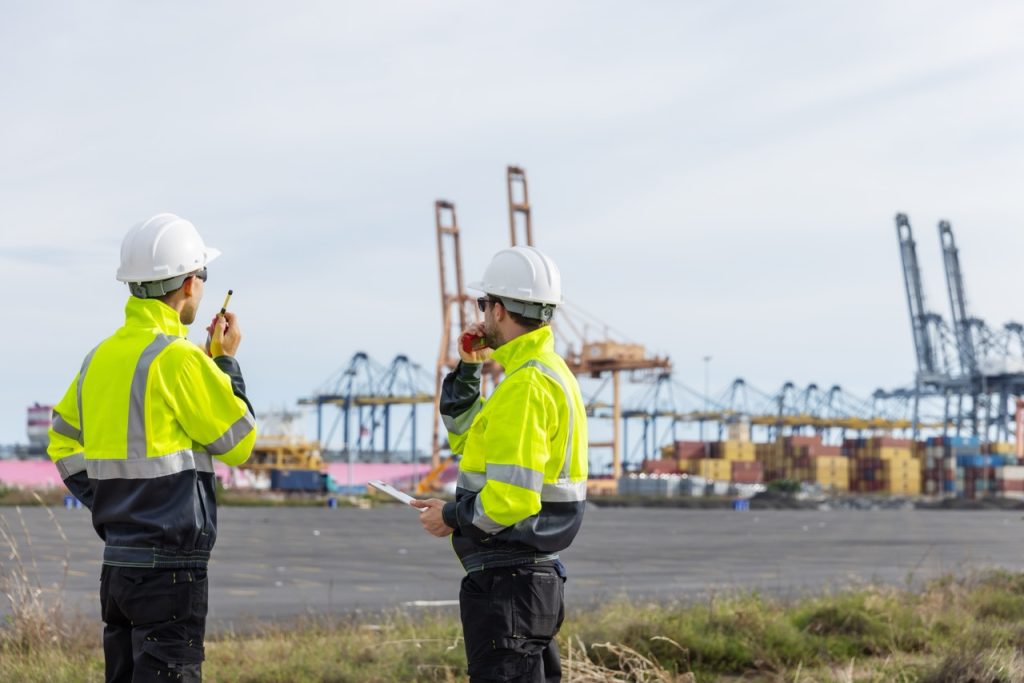
MANUAL LOGS LIMIT PROOF OF PATROL
Handwritten or self-reported patrol logs may show that a round was recorded, but not independently verify that required maritime security procedures were completed.
WHAT SECURITY LEADERS NEED TO PROVE
ACCOUNTABILITY RUNS IN EVERY DIRECTION
The Facility Security Officer coordinates with the U.S. Coast Guard on MTSA and Facility Security Plan compliance, the port authority on area-wide security requirements, and terminal operations on uninterrupted cargo flow. Guards and monitoring teams manage access and patrols, while carriers, shippers, insurers, and corporate risk teams depend on accurate records of incidents, custody, and response.
Verified Patrol Records
Gate & Area Access Logs
Alarm Response Logs
FSP Execution Evidence
MARSEC Escalation Records
Coast Guard-ready Audit Records
FROM ALARM TO INCIDENT REPORT

ALARM
A trigger is detected at a terminal fence line, gate complex, container stack, restricted berth area, or waterside boundary.

VERIFICATION
Security personnel confirm activity in the affected terminal zone, using the location, access records, and surrounding cargo or equipment movement for context.

OPERATOR DECISION
The event is evaluated against the Facility Security Plan, MARSEC requirements, and terminal operating conditions to determine the appropriate response.

RESPONSE
Required action is taken and documented, with Coast Guard or law enforcement involvement only when the event and established protocol warrant escalation.

DOCUMENTATION
Video, TWIC or access records, patrol logs, timestamps, and response documentation are assembled for Coast Guard review, cargo disputes, claims, or investigations.
ROBOTICS FIT FOR THE ENVIRONMENT
BUILT FOR SECURITY IN HIGHLY RESTRICTED ZONES
Asylon extends terminal security from gate complexes to waterside edges.
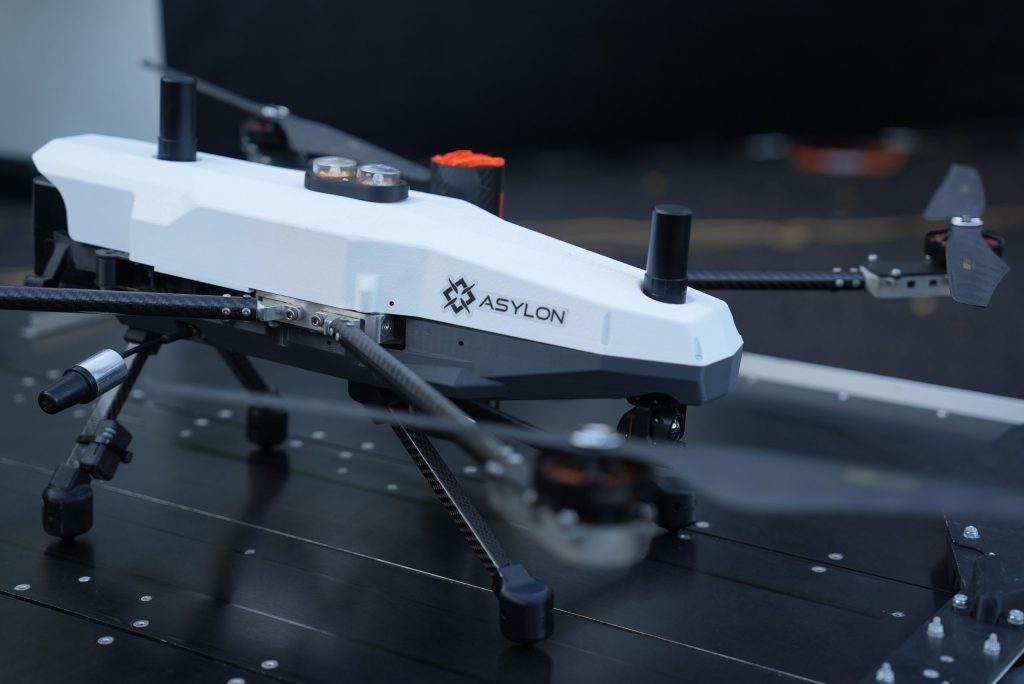
GUARDIAN
Advanced Threat Detection
- Full Terminal Perimeter Sweep
- Waterside Boundary Coverage
- Container Stack Sightline Coverage
- Remote Alarm Aerial Verification
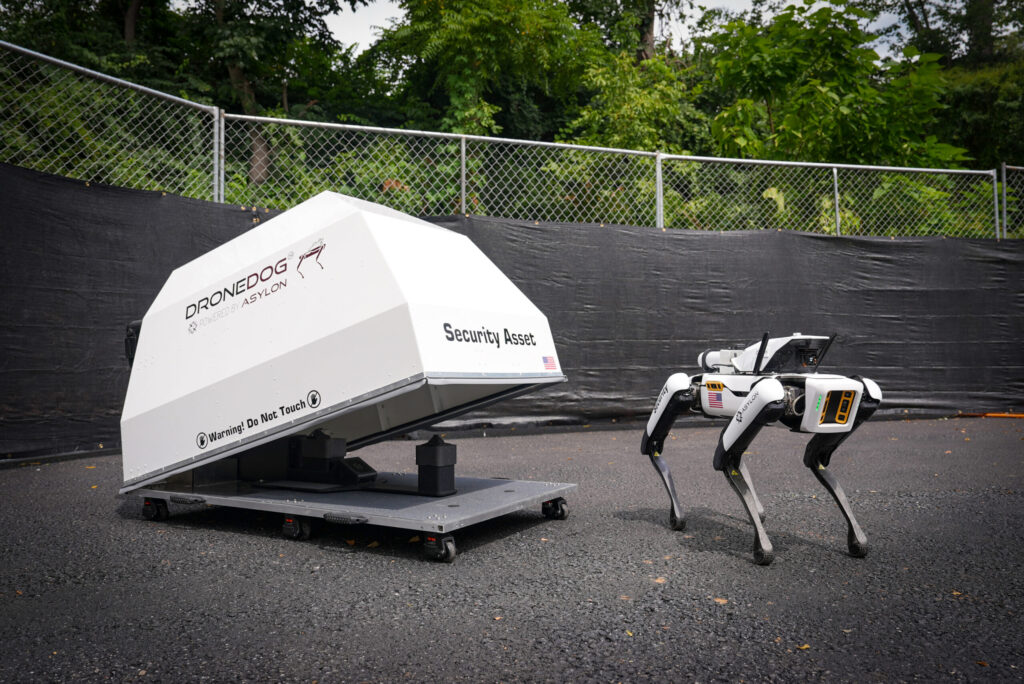
DroneDog™
Automated Surveillance Redefined
- Container Yard Patrol Routes
- Gate & Pier Close Verification
- Thermal Perimeter Event Checks
- Overnight Terminal Patrols
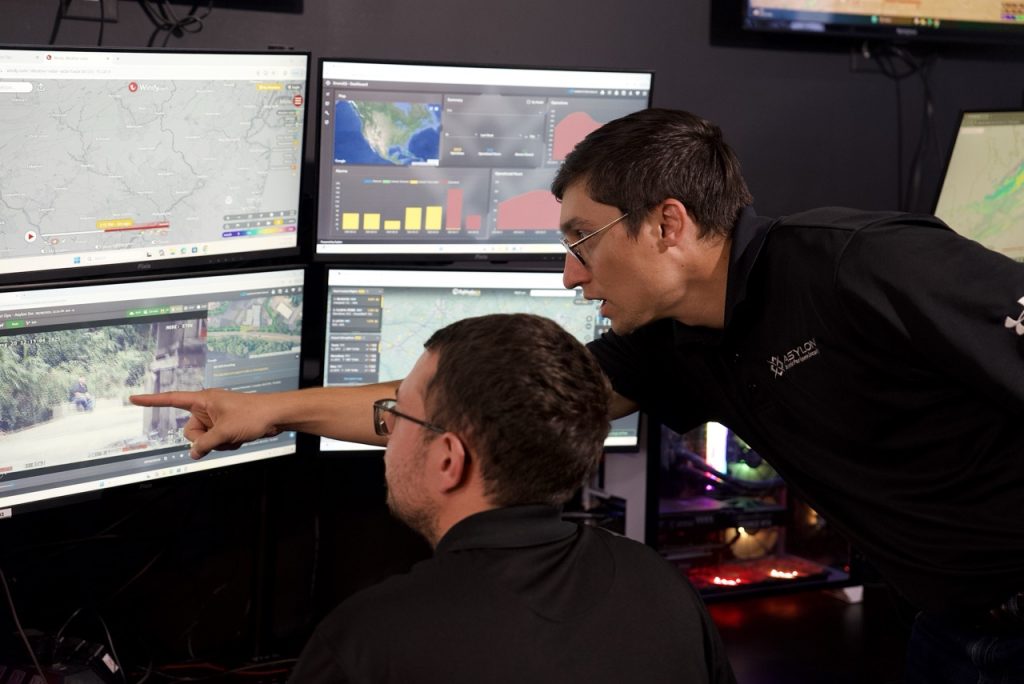
24/7 RSOC
Always-On Security Monitoring
- 24/7 Human Terminal Oversight
- Unified Aerial-Ground Coordination
- Multi-Terminal Coverage Standards
- Coast Guard-Ready Incident Records
FAQs
Facility Security Officers often have questions regarding security integration, regulatory compliance, and operational impact. Explore common answers here.
How does Asylon work alongside longshore operations?
Coverage supports longshore activity without changing who makes access or response decisions.
Does the documentation support our Facility Security Plan?
Timestamped patrols and event records support FSP documentation and Coast Guard review.
What happens when the MARSEC level is raised?
Coverage frequency and restricted-area monitoring can increase as MARSEC requirements change.
Can Asylon integrate with our existing security systems?
Yes. Available APIs can connect Asylon with existing access control, TWIC, and alarm systems.
How does Asylon handle the waterside perimeter?
Aerial patrol covers waterside boundaries where fencing and routine foot patrol are impractical.
Can Asylon support security across multiple terminals?
DroneIQ standardizes coverage records and reporting across multiple terminals and locations.
How long does deployment take at a marine terminal?
DroneDog typically needs 45–60 days; Guardian deployment generally takes about 3–4 months.
Connect With the Asylon Team
Strong maritime port security must anticipate and respond to threats across gates, container yards, restricted areas, and waterside boundaries. Contact Asylon to discuss coverage designed for your layout, operations, and requirements.